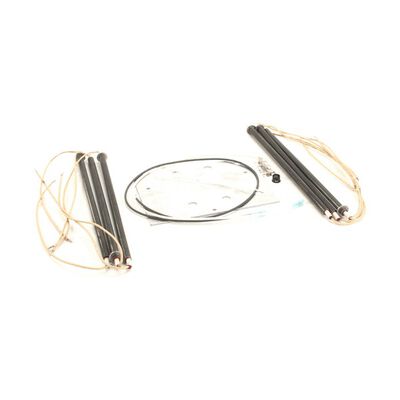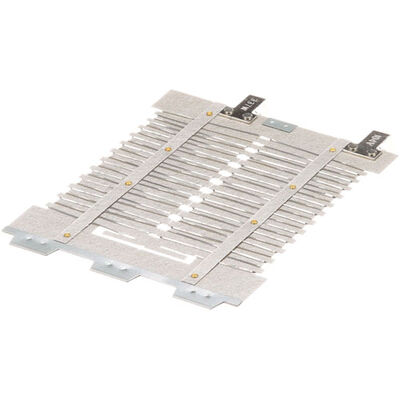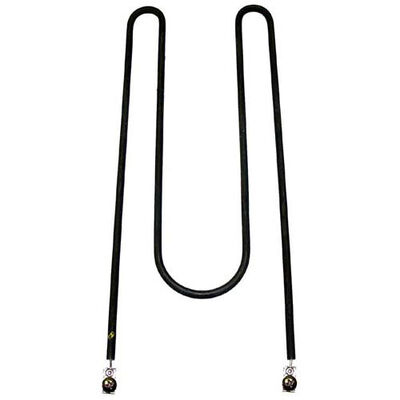
How to Clean a Commercial Toaster Oven Heating Element: Step-by-Step Guide
Commercial toaster ovens play a critical role in commercial kitchens, supporting consistent, high-volume food production throughout daily operations. As these units run frequently, grease, carbon residue, and food particles accumulate on heating elements, leading to uneven heating, increased energy use, and potential safety concerns. Cleaning the heating element is more than routine maintenance; it is essential for maintaining cooking accuracy, equipment reliability, and food quality. This step-by-step guide explains the correct approach to cleaning commercial toaster oven heating elements. It covers why regular cleaning is necessary, outlines required safety precautions, identifies appropriate tools, and shares effective maintenance practices to help kitchens prevent equipment issues, reduce repair costs, and comply with commercial kitchen hygiene and safety standards.
Why Cleaning Commercial Toaster Oven Heating Elements Is Critical
Heating elements are the backbone of toaster ovens, responsible for generating the consistent heat required for cooking. In commercial environments, these elements face prolonged use and exposure to high temperatures, often coupled with grease and food residues. Neglecting proper cleaning can lead to several consequences:
-
Reduced Efficiency: Accumulated grease and debris act as insulators, preventing the element from reaching its optimal temperature. This results in uneven cooking and longer preparation times, affecting kitchen workflow.
-
Fire Hazards: Grease buildup on heating elements is highly flammable. If left unchecked, this can ignite during normal oven operation, posing a serious risk to both staff and property.
-
Equipment Wear: Heating elements under stress due to residue accumulation are prone to premature failure. Cleaning extends the life of the appliance, reducing replacement costs.
-
Health and Safety Compliance: Many health regulations mandate that commercial kitchen appliances be kept clean and free from contaminants. Regular cleaning ensures compliance during inspections.
By understanding the critical role heating elements play in both safety and performance, commercial kitchen operators can prioritize maintenance routines that safeguard staff and equipment alike.
Keep your oven in top condition with PartsFe UK’s high-quality commercial replacement parts. We offer oven broiler elements, door gaskets, and pilot lights from trusted brands such as Bakers Pride, Southbend, and Blodgett.
Safety Precautions Before Cleaning a Commercial Toaster Oven Heating Element
Cleaning heating elements in commercial toaster ovens is not without risks. Electricity, heat, and fragile components necessitate careful precautions. Follow these professional safety guidelines before beginning:
-
Disconnect Power Supply: Always unplug the appliance before cleaning. If the toaster oven is hardwired, ensure the circuit breaker controlling the unit is turned off.
-
Allow Cooling Time: Heating elements retain heat for extended periods. Wait at least 30 minutes after use to allow the element to cool completely to prevent burns.
-
Wear Protective Gear: Gloves and safety goggles protect your hands from sharp edges and your eyes from cleaning chemicals.
-
Avoid Water on Electrical Components: Water or cleaning solutions should never directly contact wiring or connectors, as this may result in short circuits or electrical shock.
-
Work in a Well-Ventilated Area: Some cleaning agents can emit fumes. Proper ventilation ensures a safe working environment.
Adhering to these precautions minimizes the risk of accidents while performing maintenance and ensures the cleaning process is conducted efficiently.
Tools and Cleaning Supplies to Clean Commercial Toaster Oven Heating Element
Using the correct tools and cleaning supplies is essential for effective maintenance. Commercial toaster elements require careful handling to avoid damage. The following items are recommended:
-
Microfiber Towels
-
Soft-Bristle Brush
-
Mild Detergent
-
Distilled Water
-
Isopropyl Alcohol
-
Gloves and Goggles
Using these recommended tools and supplies ensures safe, thorough cleaning while maintaining the performance and longevity of commercial toaster oven heating elements.
Check out oven heating element replacement made easy: identify, fix & maintain like a pro to maintain your toaster oven heating element for reliable performance.
|
Pro Tip: Clean a toaster oven while it’s slightly warm and unplugged, since warm grease loosens more easily and comes off with far less effort and fewer harsh cleaners. |
Step-by-Step Process on How to Clean a Commercial Toaster Oven Heating Element
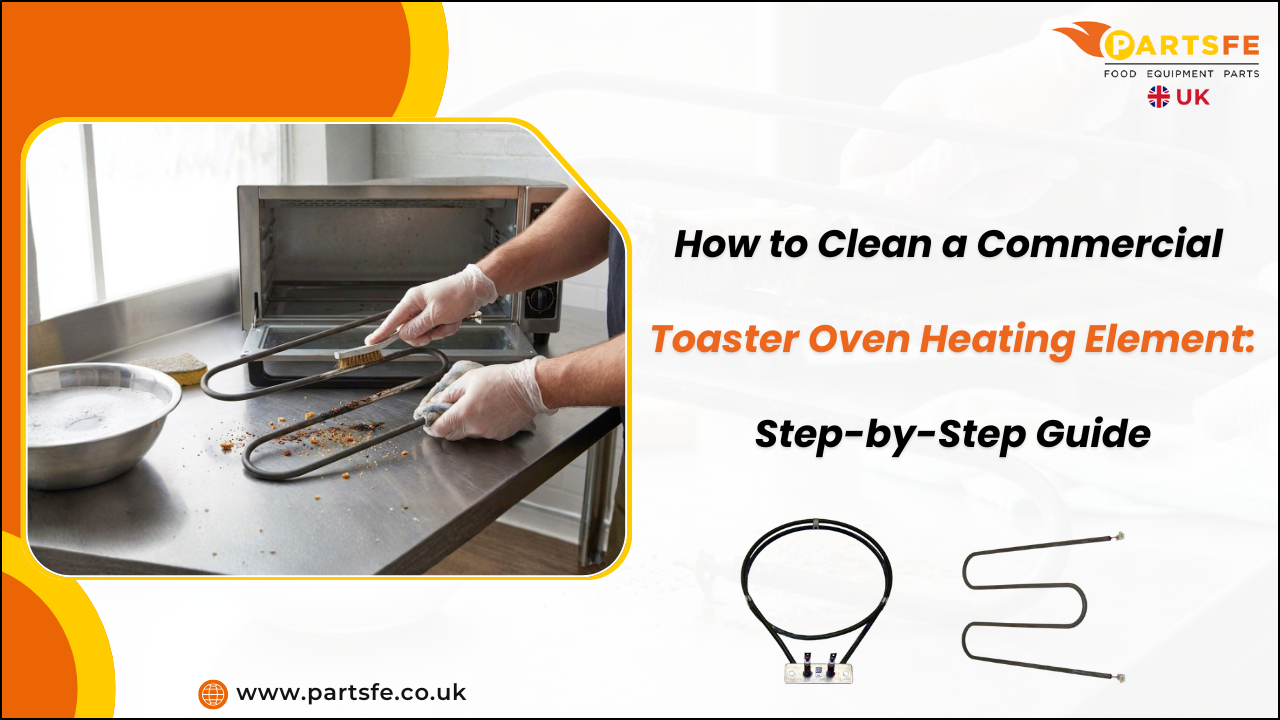
Cleaning a heating element requires precision and care. Follow these step-by-step instructions for an effective and safe cleaning process:
Step 1: Preparation
-
Ensure the toaster oven is completely disconnected from power and cooled.
-
Take out racks, trays, and crumb pans to gain clear access to the heating element.
-
Lay down protective coverings, such as a cloth or paper, to catch debris and prevent damage to the surrounding surfaces.
Step 2: Initial Debris Removal
-
Use a soft brush or vacuum cleaner to remove loose crumbs and dust from the heating element and interior surfaces.
-
Gently shake out trays or racks to dislodge any stuck debris.
Step 3: Apply Cleaning Solution
-
Mix a mild detergent with warm distilled water. Alternatively, apply a commercial oven cleaner that is safe for heating elements.
-
Dampen a microfiber cloth or sponge with the solution, ensuring it is not dripping wet. Excess liquid can damage electrical components.
Step 4: Clean the Heating Element
-
Carefully wipe the heating element with the dampened cloth.
-
For stubborn grease spots, gently scrub using a soft-bristle brush. Do not use too much pressure, as it may damage the element.
-
If necessary, use a small amount of isopropyl alcohol on a cloth to remove particularly stubborn residues.
Step 5: Dry the Element
-
Wipe the heating element with a dry microfiber cloth to remove any remaining moisture.
-
Allow the toaster oven to air-dry completely before reassembling trays and racks. Moisture left on the element can cause electrical issues when powered.
Step 6: Clean the Interior
-
While the heating element dries, wipe down the toaster oven’s interior walls, ceiling, and trays.
-
Ensure that no cleaning solution residue remains, as this can produce unpleasant odors or smoke during the next use.
Step 7: Reassemble and Inspect
-
Replace racks, trays, and crumb catchers.
-
Check for any loose connections or visible damage to the heating element before plugging in the appliance.
Adhering to this systematic process allows commercial kitchen staff to ensure peak performance and minimize safety risks.
Explore the ultimate guide to commercial oven ignitor problems and solutions to quickly diagnose faults and maintain reliable commercial kitchen performance.
Toaster Oven Heating Element Post-Cleaning Checks, Maintenance Frequency, and Best Practices
After cleaning, it’s essential to conduct routine checks and establish a maintenance schedule. These measures prolong the lifespan of the toaster oven and maintain kitchen safety standards.
-
Post-Cleaning Checks: After cleaning, inspect the heating element carefully for damage, residue, or irregularities. Perform a short test run to ensure it heats evenly and safely.
-
Inspect for Physical Damage: Look for cracks, burn marks, or loose wiring. Damaged heating elements should be replaced immediately.
-
Test Functionality: Power on the toaster oven for a short test run. Ensure the element heats evenly without unusual sparks or noises.
-
Verify No Residue Remains: Confirm that no cleaning solution residue is left on the element or interior, which could cause smoke or odor.
Maintenance Frequency: Establish a consistent cleaning schedule based on usage to keep the toaster oven performing efficiently. Adjust daily, weekly, and monthly tasks according to kitchen volume and workload.
-
Daily: Wipe down crumbs and light debris from trays and racks.
-
Weekly: Inspect heating elements for minor grease buildup and perform light cleaning.
-
Monthly or Quarterly: Conduct a deep cleaning of the heating element and interior surfaces. Adjust frequency based on usage intensity.
Best Practices: Follow safe cleaning habits and manufacturer guidelines to protect the heating element and extend appliance life.
-
Use Oven Liners: Liners can catch spills, but should not cover the heating element directly, as this can trap heat and cause damage.
-
Avoid Abrasive Cleaners: Steel wool or harsh chemicals can scratch or corrode heating elements.
-
Schedule Maintenance: For high-usage commercial kitchens, consider annual professional servicing to ensure all components, including wiring and thermostat controls, are in top condition.
-
Document Cleaning Routine: Maintaining a log helps track appliance maintenance and ensures compliance with health and safety inspections.
Consistently applying these best practices ensures a reliable, safe, and efficient commercial toaster oven operation.
Conclusion:
Properly maintained heating elements are essential to the safe and efficient operation of commercial toaster ovens. Regular cleaning prevents grease buildup, preserves heating accuracy, and reduces fire risks. Using the correct tools, safety precautions, and a consistent maintenance schedule extends equipment lifespan and supports consistent food quality. When elements become damaged or worn beyond repair, timely toaster oven heating element replacement is necessary to maintain performance and safety.
Key Takeaways
-
Commercial toaster oven heating elements accumulate grease and carbon quickly due to frequent, high-temperature use.
-
Regular cleaning improves heat distribution, cooking accuracy, and overall energy efficiency.
-
Power disconnection, cooling time, and protective gear are critical safety steps before cleaning.
-
Excess moisture must be avoided to protect electrical components and prevent short circuits.
-
Post-cleaning inspections and test runs help identify damage or performance issues early.
-
Establishing daily, weekly, and periodic deep-cleaning routines supports long-term reliability.
In commercial kitchen operations, properly cleaned toaster oven heating elements play a direct role in safety, efficiency, and compliance. Using the correct cleaning methods and maintenance practices reduces repair costs and equipment failure while supporting consistent cooking performance. Routine attention to heating element care keeps toaster ovens dependable, staff workflows uninterrupted, and kitchen operations inspection-ready.
FAQs
Can you replace the heating element in a toaster oven?
Yes, heating elements can be replaced using manufacturer-approved parts. Always disconnect power and follow the service manual or consult a professional.
How do you get baked grease out of a toaster oven?
Allow the oven to cool, then use a soft cloth or brush with a mild detergent to remove grease. Wipe dry thoroughly to protect electrical components.
How do I remove baked-on grease from my air fryer element?
Unplug and cool the appliance, then gently clean the element with a soft brush or microfiber cloth and a mild degreaser. Ensure the element is fully dry before use.
How to clean the toaster oven burnt areas near the heating element?
Let the oven cool completely, then use a non-abrasive brush or pad to remove burnt residue. Apply a small amount of mild cleaner and wipe dry before powering on.