
How to Solve Common Commercial Kitchen Cleaning Challenges for Safer, Healthier Operations
Operating a commercial kitchen demands precision, organisation, and strict adherence to safety and hygiene standards. High-traffic environments generate grease, spills, and residues that, if unmanaged, can compromise food safety cleaning procedures, staff well-being, and operational efficiency. In addition, proper maintenance of kitchen equipment, floors, and ventilation systems is critical to prevent accidents, optimise performance, and ensure regulatory compliance. Implementing structured cleaning protocols alongside proactive fire safety and air quality management reduces risks while maintaining smooth operations. This guide outlines practical, professional strategies for addressing common kitchen cleaning challenges, managing daily operational pressures, and sustaining a safe, hygienic, and efficient commercial kitchen environment that supports both staff productivity and long-term business success.
Why Maintaining Hygiene in Commercial Kitchens Is Critical for Food Safety and Compliance
Keeping a commercial kitchen clean is essential to prevent restaurant kitchen hygiene issues and meet safety regulations. Poor hygiene can cause failed inspections, legal problems, and damage to a business’s reputation. Following proper commercial kitchen cleaning services routines and training staff helps ensure safety and smooth operations.
Key Benefits of Maintaining Kitchen Hygiene
Below are the key reasons why maintaining hygiene in commercial kitchens is essential.
-
Prevent Foodborne Illnesses: Regular cleaning and sanitising remove bacteria, viruses, and allergens from surfaces, utensils, and equipment. Proper hygiene prevents cross-contamination between raw and cooked foods, protecting customers from illness.
-
Regulatory Compliance: Commercial kitchens must comply with food hygiene laws and HACCP standards. Strong commercial kitchen sanitation systems help businesses pass inspections, maintain high ratings, and avoid enforcement action.
-
Operational Efficiency: A clean and well-maintained kitchen operates more smoothly, reduces equipment malfunctions, lowers pest risks, and supports consistent food quality.
-
Staff Morale and Productivity: Working in a clean, organised environment boosts staff confidence and pride. Employees are more likely to follow procedures and work safely when cleanliness is clearly valued.
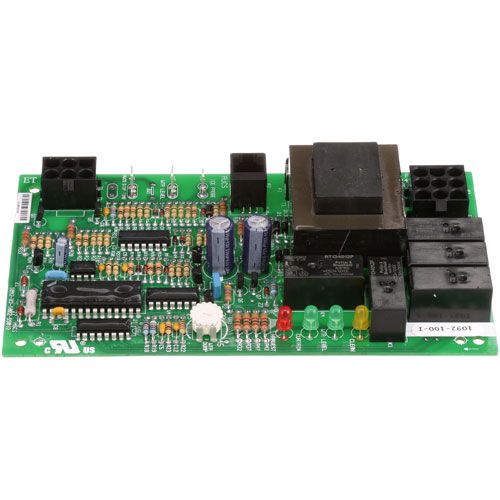
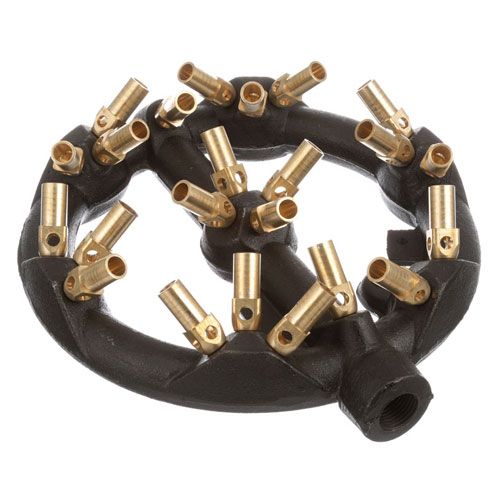
Keep your commercial kitchen equipment performing reliably with PartsFe UK’s high-quality replacement parts. We offer durable oven knobs, jet burners, and fryer baskets compatible with trusted brands, including Imperial, Winston Products, and Pitco.
How to Manage Grease, Stains, and Daily Cleaning Challenges in High-Traffic Kitchens
Busy commercial kitchens generate grease, food residues, and spills that can compromise hygiene and safety. Effective management of grease, stains, and daily cleaning challenges ensures a cleaner, safer environment without disrupting operations.
Grease Control: Grease is perhaps the most persistent problem in commercial kitchens. It not only compromises cleanliness but also poses a fire hazard.
Using commercial-grade degreasers on surfaces, hoods, and walls prevents grease buildup, especially near fryers and stovetops. Extraction hoods should be cleaned daily or weekly to ensure proper ventilation and reduce fire risks. Absorbent mats in high-spill areas help contain grease, keeping floors and under-appliance areas safe.
Stain Removal: Stains from sauces, oils, and other food products are common in busy kitchens.
Spills and stains should be cleaned immediately to prevent them from setting. Using commercial-grade, food-safe cleaners for specific stain types, like alkaline cleaners for grease and acidic solutions for mineral or food stains, ensures effective removal. Weekly deep cleaning of countertops, sinks, and equipment prevents long-term stains and microbial growth, keeping the kitchen hygienic.
Daily Cleaning Challenges: Daily cleaning can be hindered by time constraints and high operational tempo. Solutions include:
Dividing cleaning tasks across shifts prevents any team from becoming overwhelmed and ensures consistent hygiene. A daily checklist covering surfaces, floors, equipment, and waste disposal promotes accountability and thorough cleaning. Training staff on proper equipment cleaning and safe chemical use improves efficiency, reduces errors, and maintains a hygienic workspace.
By managing grease, stains, and daily challenges methodically, kitchens can maintain a higher standard of hygiene without disrupting operations.
Best Practices for Cleaning and Maintaining Commercial Kitchen Equipment Efficiently
Commercial kitchen equipment is expensive and critical to daily operations. Efficient cleaning and maintenance not only prolong the lifespan of equipment but also reduce downtime and operational costs.
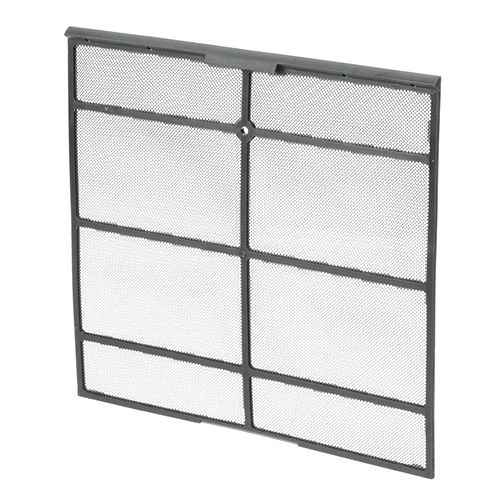
Equipment Cleaning Guidelines: Follow structured cleaning, maintenance, and inspection routines to ensure kitchen equipment stays safe, efficient, and long-lasting. Clean and sanitise all major equipment daily, including ovens, grills, fryers, dishwashers, and refrigeration units, removing debris and checking temperatures. Perform weekly or monthly deep cleaning by disassembling parts, degreasing, and reaching hidden areas. Use food-safe, non-abrasive cleaners and maintain ventilation by cleaning hoods, filters, and ductwork, scheduling professional service to reduce fire risks.
Equipment Maintenance Tips: Routine maintenance is essential to keep commercial kitchen equipment operating efficiently and to prevent unexpected breakdowns. Conduct regular inspections to identify wear, leaks, loose fittings, or unusual noises, addressing minor issues promptly to prevent major repairs. Calibrate temperature-sensitive equipment like ovens and refrigerators to ensure accuracy and compliance. Apply food-grade lubricants to moving parts to reduce friction and extend lifespan, and routinely check seals, gaskets, filters, and belts, replacing them as needed.
Check out essential cleaning chemicals for commercial kitchens: a complete guide to discover the right products for safe and effective kitchen cleaning.
Ensuring Floor Safety, Ventilation, and Air Quality in Commercial Kitchen Environments
Floor Safety: Maintaining a safe and hygienic commercial kitchen requires more than clean surfaces. Floors, ventilation, and air quality are critical factors in preventing accidents, safeguarding staff health, and ensuring smooth operations. Kitchen floors are exposed to grease, water, food waste, and constant foot traffic. Slips and falls are among the most common workplace accidents in food service environments.
Following proper flooring choices and regular maintenance ensures both staff safety and compliance with regulations. Use non-slip flooring materials with high slip resistance, such as epoxy resin, safety vinyl, or textured surfaces, to maintain grip even when wet or greasy. Ensure the flooring meets recognized slip-resistance standards for reliable traction. Regularly sweep and mop, promptly clean spills, and inspect floors for wear or damage to maintain safety and prevent accidents.
|
Note: Ensure legal compliance by following the “Health and Safety at Work Act 1974“ and the Workplace (Health, Safety and Welfare) Regulations 1992. Regularly assess slip and trip risks and implement appropriate flooring and maintenance measures to keep your kitchen safe and compliant. |
Ventilation and Fire Safety: Effective ventilation and fire safety systems are essential in commercial kitchens to maintain air quality, control heat, and minimise fire risks.
The following table compares key equipment, their purpose, recommended procedures, and maintenance schedules:
|
Category |
Equipment |
Purpose |
Procedure |
Schedule |
|
Ventilation |
Canopy Hoods & Extractors |
Capture smoke, steam, and grease at source |
Properly install the above cooking areas; perform extraction hood cleaning to prevent buildup |
Inspect daily; deep clean weekly or per kitchen volume |
|
Make-Up Air Systems |
Maintain balanced airflow; prevent negative pressure |
Check airflow balance; adjust to support consistent temperature and ventilation |
Inspect monthly or if airflow issues occur |
|
|
Ductwork & Filters |
Ensure smooth airflow; remove grease |
Use high-quality grease filters; clean ducts to prevent accumulation |
Professional inspection and cleaning quarterly or per usage |
|
|
Fire Safety |
Grease Filters |
Minimise fire risk from grease buildup |
Use certified filters; verify proper fit and installation |
Inspect weekly; replace as needed |
|
Automatic Suppression Systems |
Limit fire spread; protect staff and property |
Integrate with hoods/ducts; test auto-shutoff and agent release |
Test quarterly; follow manufacturer maintenance instructions |
|
|
Inspections & Cleaning |
Ensure proper functionality of systems |
Schedule professional inspections; check all components for wear or damage |
Biannual professional inspection; weekly visual check |
|
|
Clearances & Materials |
Control fire spread |
Maintain recommended spacing; use fire-rated construction materials |
Verify during setup; review annually or after modifications |
|
Note: Follow NFPA 96 (or local equivalent) to ensure commercial kitchen ventilation systems are properly designed, maintained, and inspected to reduce fire risks. |
Air Quality: Commercial kitchens can accumulate pollutants such as particulate matter, carbon monoxide from gas appliances, excessive heat, humidity, and strong odors. Proper kitchen grease removal and commercial kitchen maintenance help maintain a safe and healthy environment.
In gas-operated kitchens, proper extraction and make-up air systems prevent the buildup of harmful carbon monoxide and other combustion gases. Maintaining optimal temperature and humidity levels creates a comfortable workspace and helps prevent mold or microbial growth. Modern air quality sensors monitor particulate levels and temperature, allowing kitchen managers to optimize ventilation and maintain a safer, healthier environment.
Maintaining high air quality in commercial kitchens protects staff health, improves working conditions, and supports compliance with occupational safety standards.
Explore how kitchen design consultants make commercial kitchens more profitable and powerful by transforming kitchen design into a competitive advantage.
Conclusion: Building a Consistent Cleaning Routine for Long-Term Kitchen Hygiene and Safety
Maintaining a clean, safe, and efficient commercial kitchen requires consistent attention to hygiene, equipment care, and operational safety. Using professional kitchen cleaning UK services, addressing grease buildup, spills, and equipment maintenance systematically prevents accidents, reduces fire hazards, and ensures compliance. Structured cleaning routines, proper staff training, and approved products sustain long-term commercial kitchen cleaning services, operational efficiency, and high-quality food preparation.
Key Takeaways
-
Regular cleaning and sanitisation prevent foodborne illnesses and ensure regulatory compliance.
-
Managing grease, stains, and spills promptly reduces fire risks and maintains a safe working environment.
-
Structured daily and shift-based cleaning schedules improve operational efficiency and staff accountability.
-
Routine inspection, maintenance, and calibration of kitchen equipment extend lifespan and reduce downtime.
-
Proper floor safety measures and non-slip surfaces prevent slips, falls, and workplace accidents.
-
Maintaining ventilation and air quality supports staff health, reduces heat and pollutants, and ensures compliance with safety standards.
Investing in proactive maintenance of floors, ventilation, and air quality further supports staff well-being, enhances workflow, and reduces costly equipment downtime. Establishing daily, weekly, and periodic deep-cleaning schedules ensures that commercial kitchens remain inspection-ready, safe, and productive, fostering both customer trust and long-term business success.
References:
https://www.nwce.co.uk/how-to-organize-your-commercial-kitchen-in-5-easy-steps/
https://www.missionkitchen.org/
FAQs
What are the commonly encountered maintenance problems in commercial kitchens?
Common issues include grease buildup, clogged filters, faulty refrigeration, worn gaskets, and ventilation inefficiencies. Routine inspections, cleaning, and timely part replacement help maintain smooth operations.
What are the key safety precautions to follow in a commercial kitchen?
Maintain dry floors, use protective gear, handle knives safely, follow fire safety protocols, and ensure proper ventilation. Regular staff training reinforces safe practices.
What are the 5 C's of food safety?
The 5 C's are Cleaning, Cooking, Chilling, Cross-contamination prevention, and Checking, which together ensure hygiene, safe food handling, and regulatory compliance.