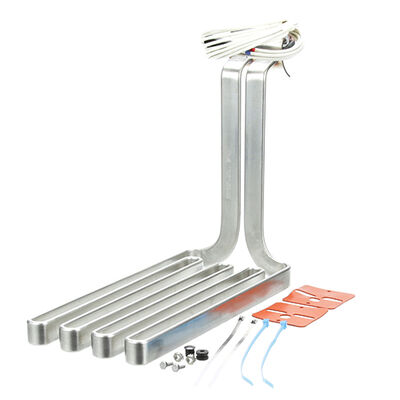
How AI Menu Planning and Automated Heat Systems Elevate Chefs’ Cooking Techniques
What if chefs could design smarter menus in less time and cook every dish with perfect consistency? Today’s professional kitchens are evolving with the support of intelligent technology. AI menu planning tools and automated heat systems help chefs reduce guesswork, improve accuracy, and maintain high standards in every service.
These technologies do not replace human skill or creativity. Instead, they support chefs by simplifying tasks, improving efficiency, and ensuring consistent results. In this blog, we explore how these systems work, the benefits they bring to kitchens and diners, the challenges of adoption, and the future of AI in modern culinary environments.
The Rise of Intelligent Kitchen Technologies in Cooking
Over the past decade, professional kitchens have transformed from manual, labor-intensive spaces into highly connected, technology-driven environments. Intelligent kitchen technologies are reshaping how chefs plan, prepare, and execute dishes. Below are the key factors shaping this transformation,
-
Managing Complex Menus: Today’s diners expect diverse, personalized, and innovative offerings. Intelligent systems help chefs navigate this complexity, keeping menus fresh, creative, and operationally feasible.
-
Ensuring Consistency: High-volume restaurants and hotels must deliver the same quality every service. Smart ovens, precision cookers, and automated monitoring systems allow chefs to maintain consistent taste, texture, and presentation.
-
Enhancing Sustainability and Efficiency: Rising food costs and environmental concerns demand smarter kitchen management. AI analytics track ingredient usage, optimize portioning, and predict demand to reduce waste and spoilage.
-
Leveraging Data-Driven Insights: Modern kitchens generate vast amounts of data, from dish popularity to customer preferences. Intelligent platforms help chefs make informed decisions on recipes, staffing, and ingredient sourcing.
Cooking Smarter with AI Menus and Automated Heat Systems
Today’s kitchens are using AI and smart machines alongside human chefs to make cooking faster, easier, and more consistent. These tools help chefs plan menus, manage tasks, and keep dishes high-quality, while still allowing room for creativity. Below are the key ways AI and automated heat systems are transforming modern kitchens:
-
AI-Powered Menu Planning: AI programs can help chefs come up with new dishes quickly. They look at trends, seasonal ingredients, and what customers like, so chefs spend less time guessing and more time cooking. These tools make menus fresh, interesting, and tailored to customer preferences.
-
Example: (FoodOp Platform) In the Nordics and UK, over 700 kitchens use FoodOp, an AI system that automates menu planning and ingredient ordering. It reduces paperwork and food waste, letting chefs focus on cooking and trying new recipes.
-
AI-Assisted Culinary Innovation: In the UK, companies like Moley Robotics are developing AI-driven kitchens that replicate professional chefs’ techniques. These systems help prepare complex dishes consistently, support menu experimentation, and allow chefs to focus on creativity while ensuring high-quality results.
-
Automated Heat Systems: AI-powered machines like smart ovens, fryers, and robotic cooking stations help chefs cook at the right temperature and time every time. These machines reduce mistakes, let chefs focus on finishing touches, and make sure each dish is consistent and high-quality.
Check out the future of hospitality, robot bartenders, automated check-ins, and personalized tech, and see how technology is transforming guest experiences and hotel operations.
Key Benefits for Chefs, Restaurants, and Diners
AI and automation are reshaping professional kitchens by improving efficiency, consistency, and creativity. These technologies streamline operations, support chefs in crafting innovative dishes, and enhance the dining experience for guests. Key benefits include:
-
Enhanced Efficiency and Reduced Waste: AI handles repetitive tasks, predicts ingredient needs, and optimizes staff schedules, freeing chefs to focus on cooking and creativity.
-
Example: Winnow monitors ingredient usage and flags items approaching expiration. Some kitchens report a 50% reduction in food waste, saving money and promoting sustainability. AI scheduling tools also forecast peak periods, ensuring staff are allocated efficiently and reducing labor costs.
-
Consistency and Quality Control: Smart appliances maintain precise temperatures and cooking times, delivering reliable results even during high-volume service.
-
Example: AI-enabled ovens and fryers automatically track cooking parameters. Chefs report that these systems ensure uniform texture, doneness, and flavor across every dish, helping to maintain customer trust and the restaurant's reputation.
-
Creative Freedom for Chefs: By automating routine processes like chopping or frying, AI allows chefs to focus on recipe development, plating, and experimentation.
-
Example: AI analyzes customer reviews, reservation data, and trending ingredients to suggest new dishes. For instance, it can highlight popular plant-based ingredients among Gen Z diners, helping chefs create innovative vegan options. Chefs then refine these suggestions with their expertise, combining AI insights with human creativity.
-
Improved Guest Experience: Diners benefit from faster service, personalized dishes, and consistent quality. AI systems help kitchens anticipate preferences and maintain high standards throughout service.
-
Example: A hotel used AI to track guest preferences and noticed that guests preferred a breakfast selection with more bread varieties and cold cuts. After updating the menu to align with these preferences, the hotel saw a noticeable increase in guest satisfaction ratings.
-
Operational Insights for Smarter Decisions: Beyond cooking, AI provides analytics on ingredient usage, dish popularity, and kitchen efficiency. Restaurants can leverage this data to optimize menus, reduce costs, and make informed operational decisions.
Challenges in Implementing AI-Powered Kitchen Systems
Using AI and automation in kitchens has many benefits, but it also comes with some real challenges. Restaurants need to make sure technology helps chefs and staff instead of replacing their skills and creativity. Below are the main challenges explained in detail:
-
High Costs and Technical Setup: AI-powered ovens, smart cooking machines, and automated systems can be expensive. Restaurants need to invest a lot of money at the beginning. Setting up the right internet connection, software, and equipment can also be complicated. Smaller restaurants may find it harder to manage these costs and technical needs.
-
Staff Training and Acceptance: Kitchen staff must learn how to use the new systems and software. Some employees may worry that AI will replace their jobs. Customers might also feel that too much automation reduces the personal touch of dining. Proper training and clear communication can help staff feel more confident and comfortable with the new technology.
-
Limited Creativity: AI can help with menu planning and food preparation, but it follows data and patterns. If restaurants depend too much on AI, menus may become too similar or less creative. Chefs bring imagination, taste, and experience that machines cannot fully replace. Technology should support creativity, not control it.
-
Data Privacy and Ethical Concerns: AI systems collect information about inventory, sales, and customer preferences. Restaurants must protect this data carefully. Following privacy laws and ethical practices is important to keep customer trust and avoid legal problems.
Summary: The Future of AI and Automation in Modern Kitchens
AI menu planning and automated heat systems are transforming modern kitchens by improving efficiency, consistency, and creativity. These technologies support chefs in reducing waste, optimizing workflows, and maintaining high-quality dishes. While adoption comes with challenges such as costs, staff training, and data privacy, intelligent kitchen systems enhance the dining experience and empower chefs to innovate.
Key Takeaways
-
AI-driven menu planning streamlines recipe creation and optimizes ingredient use.
-
Automated heat systems ensure consistent cooking quality across all dishes.
-
Smart kitchen technologies reduce food waste and improve operational efficiency.
-
AI frees chefs to focus on creativity, plating, and recipe innovation.
-
Successful adoption requires staff training, ethical data handling, and careful investment.
-
The combination of AI and human expertise enhances the overall guest experience.
Shop now at PartsFe UK to keep your commercial kitchen equipment parts running at peak performance. We offer a wide selection of dishwasher parts, fryer parts, ice machine parts, oven parts, Griddle & Griill Parts to ensure reliable and efficient operation.
References:
https://www.surrey.ac.uk/news/ai-could-stop-hotels-and-restaurants-wasting-food-energy-and-talent-so-why-arent-they-using-it
https://techsavvy.media/en/raising-millions-to-scale-kitchen-platform-internationally
https://www.opentable.co.uk/restaurant-solutions/resources/ai-in-restaurants
FAQs
Can AI kitchen systems save restaurants money?
Yes. AI reduces food waste, optimizes ingredient purchasing, and improves staff scheduling, helping restaurants save costs and increase efficiency over time.
Will AI replace chefs and kitchen staff?
No. AI handles repetitive tasks, allowing chefs to focus on creativity, quality, and customer experience. Human oversight remains essential.
Are AI kitchen systems safe for customer data?
Yes, if used correctly. Restaurants must follow data privacy laws and implement secure practices to protect customer and operational information.
|
Disclaimer: This content is for informational purposes only. Consult qualified chefs or kitchen technology specialists before using AI systems or equipment, as we cannot be held responsible for results. |