How to Choose the Right Burners for Barbecue Grill
A barbecue grill is essential for busy kitchens, but what happens when flames are uneven, burners clog, or heat drops unexpectedly? Even the most reliable grills can develop issues over time from heavy daily use, grease buildup, or worn components. Ignoring these problems can lead to inconsistent cooking, wasted fuel, and costly downtime. Choosing the right burners for barbecue grills ensures proper heat distribution, efficient fuel use, and reliable cooking performance. This guide covers how to choose, maintain, and replace barbecue grill burners to keep your kitchen running efficiently.
Why Barbecue Grill Burners Matter for Cooking Performance
The burner is the component that transforms gas into heat, distributing it evenly across the grill surface. Without a properly functioning burner, even high-quality grills can produce uneven cooking results. This is why investing in high-quality commercial grill parts is so important. For a detailed look, refer to the following:
-
Heat Distribution: Burners ensure that the heat spreads evenly across the cooking surface. Uneven heat can lead to undercooked food in some areas and overcooked or burnt food in others.
-
Temperature Control: Modern grills allow you to adjust the heat for searing, slow cooking, or smoking. A high-quality burner responds accurately to these adjustments, giving you control over the grilling process.
-
Fuel Efficiency: A clean and efficient burner uses gas effectively, reducing waste and saving money over time. Worn or clogged burners may consume more fuel to maintain the same temperature.
-
Longevity of the Grill: Burners that are made of durable materials such as stainless steel or cast iron are resistant to corrosion and high heat, extending the life of your grill.
-
Safety: Faulty burners can lead to flare-ups or uneven gas flow, increasing the risk of accidents. Choosing the right replacement burner ensures a safe cooking environment.
Looking for the right burners to keep your barbecue grill running at peak performance? Shop at PartsFe UK, your trusted supplier of commercial kitchen equipment spare parts, with burner valves, flame sensors, connectors, pressure regulators, and solenoid valves for reliable, hassle-free grilling.
Types of Barbecue Grill Burners and Their Key Differences
When selecting burners, understanding their material and design is key to achieving consistent cooking results. See the table below for a detailed comparison.
|
Burner Type |
Key Differences |
|
Stainless Steel |
Rust-resistant, evenly distributes heat, easy to clean, but can warp under very high heat |
|
Cast Iron |
Excellent heat retention, ideal for high-temperature searing, heavy, requires seasoning, prone to rust |
|
Porcelain-Coated |
Metal with enamel coating, resistant to rust, easy to clean, visually appealing, coating can chip |
|
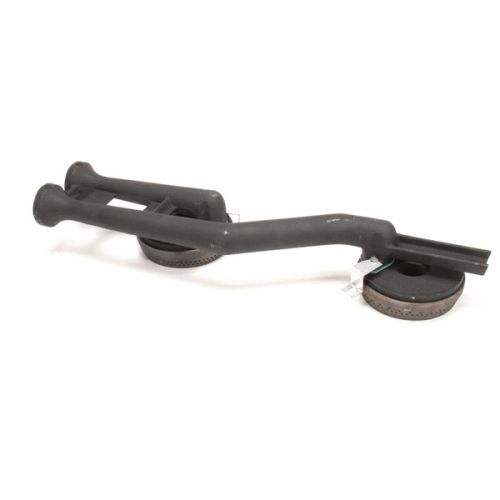
Tubular |
Simple tubular design, provides uniform heat, easy to replace, can clog if not cleaned regularly |
|
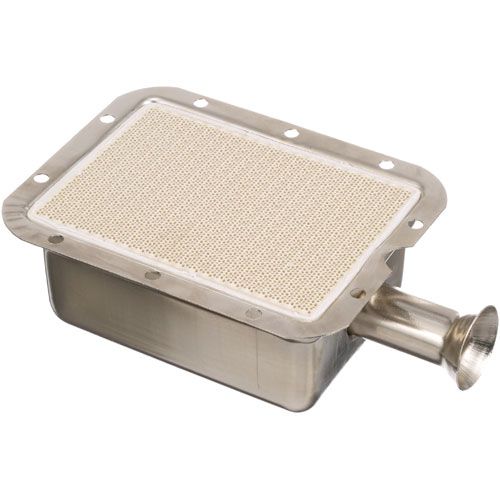
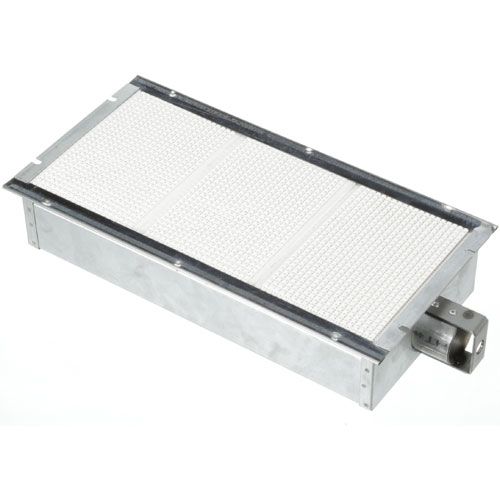
Infrared |
Uses radiant heat instead of direct flame, fast heating, efficient, reduces flare-ups, and is more expensive |
How to Choose the Right Burners for Your Barbecue Grill
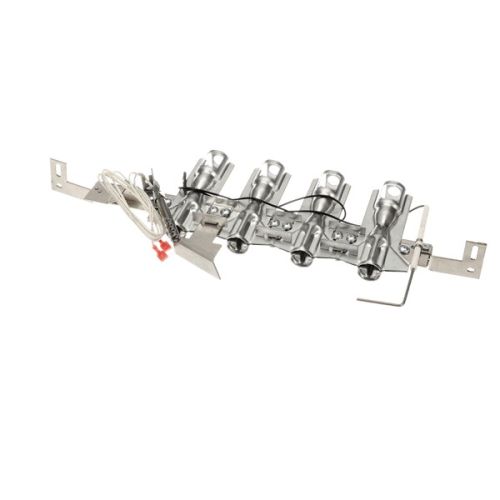
Selecting the right burner requires evaluating compatibility, material quality, and cooking performance. The right barbecue grill burners should match both the grill model and cooking demands. Follow these tips to ensure you choose the correct replacement burner for your gas barbecue:
-
Compatibility: Before purchasing, verify that the burner is compatible with your grill model. Different brands and models may have unique fittings, sizes, and shapes. Using the wrong burner can lead to uneven cooking or safety hazards.
-
Material Durability: Choose burners made of stainless steel, cast iron, or porcelain-coated steel for long-lasting performance. Stainless steel is ideal for low-maintenance durability, cast iron for heat retention, and porcelain-coated for corrosion resistance.
-
Heat Output: Consider the heat output, typically measured in BTUs (British Thermal Units). Higher BTU burners produce more heat, suitable for searing, while lower BTU burners are better for slow cooking or smoking. Ensure the output matches your cooking style.
-
Heat Distribution: Some burners have multiple ports or specially designed holes to distribute heat more evenly. This feature is essential for preventing hot spots and achieving consistent grilling results.
-
Ease of Maintenance: Burners that are easy to remove and clean simplify maintenance. Clogged or dirty burners can reduce efficiency and lead to uneven heat. Consider a design that allows for quick cleaning and replacement.
-
Price vs. Lifespan: Investing in premium gas grill replacement burners may cost more initially, but it saves money over time through better performance and durability.
Investing in reliable gas grill replacement burners often improves cooking performance while reducing long-term maintenance costs.
Check out our video guide on Imperial broiler equipment, burner replacement, and troubleshooting to ensure optimal burner performance
Signs Your Barbecue Grill Burners Need Replacement
Properly functioning burners ensure consistent heat and safe grilling. Check for these signs to determine if your grill burners need replacement.
-
Uneven Flames: If flames appear uneven or weak in certain areas, the burner may be clogged or damaged. Blocked burner ports can disrupt gas flow and reduce heating efficiency.
-
Rust or Visible Damage: Rust buildup, cracks, or holes indicate it may be time to install a replacement burner for gas barbecue units to restore safe operation.
-
Difficulty Maintaining Temperature: If your grill struggles to reach or maintain the desired temperature, the burners may no longer be functioning efficiently.
-
Yellow or Orange Flames: Healthy gas burners typically produce blue flames. Yellow or orange flames can indicate incomplete combustion caused by clogged burner holes or gas flow issues.
-
Excessive Flare-Ups: Frequent flare-ups may occur when burners are worn out or when grease accumulates around damaged burner components.
In many cases, technicians simply replace gas grill burners rather than attempting extensive repairs because replacement is faster and ensures consistent performance.
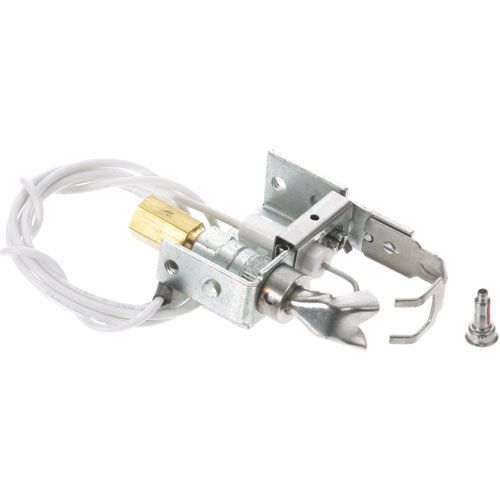
Find out how to replace a commercial griddle pilot burner for optimal performance and safe, consistent operation
Summary: Choosing the Right Burners for Better Grilling Performance
Burners are one of the most important components of any barbecue grill because they generate and distribute heat for cooking. Selecting durable materials, ensuring proper compatibility, and maintaining burners regularly helps extend equipment life and improve cooking consistency. Routine inspection makes it easier to identify when grill burner replacement is required. Addressing these issues early keeps your grill operating efficiently, reduces fuel waste, and ensures safer grilling performance.
Key Takeaways
-
Burners are responsible for generating and distributing heat in barbecue grills.
-
High-quality burners improve temperature control and cooking consistency.
-
Stainless steel, cast iron, ceramic, and tube burners each offer different performance benefits.
-
Proper compatibility and material quality are essential when selecting burners.
-
Fuel-efficient burners help reduce gas consumption while maintaining strong heat output.
-
Recognizing early signs of burner damage helps prevent cooking issues and safety risks.
FAQs
How much for a gas barbecue 3 burner?
The price of a three-burner gas barbecue varies depending on brand, materials, and features. Entry-level models may start around £150, while premium grills with stainless steel construction and advanced features can cost £500 or more.
What size cover for Kansas 4 burner gas barbecue?
A Kansas four-burner gas barbecue typically requires a medium-to-large grill cover measuring approximately 150–165 cm in width. However, it is always best to check the grill’s exact dimensions before purchasing a cover to ensure a proper fit.
What flow rate is required for a four burner propane barbecue?
Most four-burner propane barbecues require a regulator with a flow rate of around 11 inches of water column (WC) pressure. This ensures a steady and safe propane supply to all burners while maintaining consistent heat output.
|
Disclaimer: This article is for informational purposes only. Always follow the grill manufacturer’s safety guidelines and use genuine replacement parts. |