The Ultimate Guide to Commercial Oven Ignitor Problems and Solutions
In the bustling environment of a commercial kitchen, a malfunctioning oven can disrupt operations and result in significant losses. One of the most critical components of a gas oven is the gas oven ignitor, which is responsible for starting the baking process. When the gas oven ignitor fails, it can bring your kitchen to a standstill. This guide offers comprehensive insights into diagnosing, fixing, and preventing oven ignitor problems, ensuring your commercial oven operates efficiently.
Why Ignitor Issues Matter in Commercial Kitchens
Commercial kitchens rely heavily on their ovens to deliver consistent and timely results. An oven that fails to ignite can lead to:
-
Operational downtime: Delays in food preparation affect service speed and customer satisfaction.
-
Increased costs: Emergency repairs and potential food spoilage can strain your budget.
-
Safety concerns: A faulty ignitor can lead to gas leaks, posing a significant risk to your staff and establishment.
Understanding and addressing oven ignitor problems promptly is crucial for maintaining a smooth and safe kitchen operation.
Understanding How Commercial Oven Ignitors Work
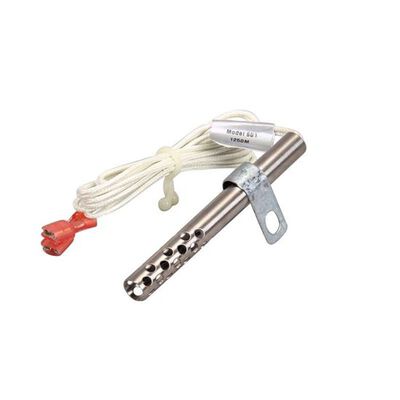
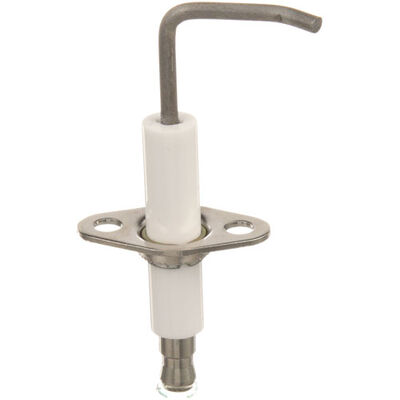
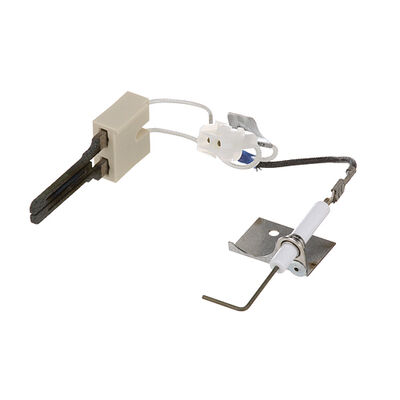
The gas oven ignitor is a safety device that glows to ignite the gas in your oven.
-
When you switch on your oven, the ignitor begins to heat up. Once it attains a specific temperature, it permits gas to enter the burner, igniting the gas and initiating the cooking process.
-
A gas oven ignitor is usually made from silicon carbide and functions as a resistance heater. When the oven is activated, voltage is supplied to the ignitor. As the ignitor warms up, its resistance diminishes, allowing a greater flow of current through it. This higher current causes the ignitor to emit a bright glow, reaching a temperature sufficient to ignite the gas. A safety valve ensures that gas only flows when the ignitor is sufficiently hot, avoiding potential gas leaks. If the ignitor does not reach the right temperature, the gas valve will remain closed, and the oven will not light up.
Top Signs Your Commercial Oven Ignitor Is Failing
Recognizing the signs of a failing ignitor can save you time and prevent further damage. Here are some common indicators:
-
Ignitor glows weakly: If the ignitor glows dimly or not at all, it may not be generating enough heat to ignite the gas.
-
Delayed ignition: A significant delay between turning on the oven and the burner igniting suggests the ignitor is struggling.
-
Ignitor fails to glow: If the ignitor does not glow at all, it's a clear sign of a problem.
-
Clicking sounds: Repeated clicking without ignition can indicate the ignitor is not functioning correctly.
-
Oven fails to reach temperature: Even if the oven ignites, inconsistent heating can be a sign of a failing ignitor.
-
Gas odor: A gas smell when the oven is turned on but not igniting can be a dangerous sign of ignitor failure, indicating unburnt gas is being released.
Everything You Need to Know About Commercial Oven
Common Causes of Commercial Oven Ignitor Malfunctions
Several factors can contribute to oven ignitor problems. Addressing these causes can help prevent future issues.
-
Wear and tear: Over time, the ignitor's components degrade due to constant heating and cooling cycles.
-
Power surges: Electrical surges can damage the ignitor's internal circuitry.
-
Grease and Food Buildup: Accumulation of grease and food particles can insulate the ignitor, preventing it from heating properly.
-
Moisture: Exposure to moisture can corrode the ignitor, leading to failure.
-
Loose connections: Loose or corroded wiring can disrupt the electrical current to the ignitor.
-
Faulty gas valve: A malfunctioning gas valve may not supply gas to the ignitor even when it's working correctly.
-
Incorrect voltage: Fluctuations or incorrect voltage supply can damage the ignitor.
-
Physical damage: Accidental impact or mishandling can cause physical damage to the ignitor.
Diagnosing Ignitor Problems in Commercial Ovens
Effective oven ignitor troubleshooting is essential for identifying the root cause of the problem. Here’s a step-by-step guide:
-
Safety first: Turn off the gas supply to the oven and disconnect it from the power source.
-
Visual inspection: Check the ignitor for any visible damage, such as cracks or breaks. Also, inspect the wiring for loose connections or corrosion.
-
Check the glow: Turn on the oven and observe the ignitor. A healthy ignitor should glow brightly. A weak or no glow indicates a problem.
-
Use a multimeter: Learn how to test a gas oven ignitor using a multimeter to check the ignitor's resistance. A reading outside the manufacturer's specified range indicates a faulty ignitor.
-
Test for voltage: Use a multimeter to ensure the ignitor is receiving the correct voltage. If there's no voltage, check the circuit breaker and wiring.
-
Inspect the gas valve: Ensure the gas valve is opening when the ignitor is glowing. If not, the gas valve may be faulty.
-
Check for blockages: Ensure the burner ports are not blocked by debris, which can prevent ignition.
-
Evaluate the control module: Problems with the oven's control module can sometimes mimic ignitor issues. Ensure the control module is sending the correct signals.
Practical Fixes and Replacement Tips
Once you've diagnosed the problem, you can proceed with the necessary repairs or replacement.
1. Cleaning the ignitor: Gently clean the ignitor with a soft brush to remove any grease or debris. Avoid using water or harsh chemicals.
2. Tightening connections: Ensure all electrical connections are secure and free from corrosion.
3. Replacing the ignitor: If the ignitor is faulty, oven ignitor replacement is necessary. Follow these steps on how to replace ignitor on gas oven:
-
Turn off the gas and power.
-
Remove the oven racks and any obstructions.
-
Locate the ignitor (usually near the burner).
-
Disconnect the wires from the old ignitor.
-
Remove the mounting screws and take out the old ignitor.
-
Install the new ignitor, securing it with the screws.
-
Reconnect the wires, ensuring they are properly attached.
-
Turn on the gas and power, and test the oven.
4. Choosing a replacement: Select a universal oven ignitor or a model specifically designed for your oven. Ensure it meets the manufacturer's specifications.
5. Consider the gas oven ignitor replacement cost: The gas oven ignitor replacement cost can vary based on the model and the technician's labor fees. Getting quotes from multiple suppliers and technicians can help you find the best deal.
Preventive Maintenance to Extend Ignitor Life in Commercial Ovens
Proper preventive maintenance not only enhances the performance of commercial ovens but also plays a vital role in prolonging the lifespan of essential components like ignitors.
|
Maintenance Tip |
Description |
|
Regular cleaning |
|
|
Check connections |
|
|
Monitor voltage |
|
|
Avoid overloading |
|
|
Proper ventilation |
|
|
Maintain consistent usage |
|
The Ultimate Guide to Commercial Oven Error Codes and Solutions
Addressing oven ignitor problems promptly is essential for maintaining efficiency and safety in a commercial kitchen. Understanding what is gas oven ignitor, how it works, and the common issues that arise enables you to take proactive measures. Regular maintenance, proper troubleshooting, and timely oven ignitor replacement will ensure your commercial oven remains a reliable workhorse in your kitchen. Whether you choose to tackle the repairs yourself or seek professional help, a well-maintained ignitor translates to consistent cooking, reduced downtime, and a safer working environment. PartsFe UK is a one-stop solution for all types of oven and commercial cooker parts, offering a wide range of components at competitive prices to suit every make and model
FAQs
Why is my commercial oven not igniting?
A commercial oven not igniting may be caused by a faulty igniter, gas supply issue, or defective safety valve.
What causes oven igniter failure?
Oven igniter failure is commonly due to worn-out components, power surges, or carbon buildup on the igniter.
How to fix gas oven igniter not clicking?
To fix a gas oven igniter not clicking, check for loose connections, replace a faulty igniter, or inspect the spark module.