How to Identify and Fix Compressor Relay Problems in Commercial Refrigerators
A functioning refrigerator compressor relay is essential in commercial refrigeration systems. This small component plays a critical role in initiating the cooling process, and when it malfunctions, it can lead to significant problems. Quick diagnostics and repair are vital to prevent these issues, ensuring your commercial refrigerator operates efficiently and keeps your products safe. The refrigerator compressor relay is the critical component that kicks it into action. When the refrigerator compressor relay fails, the entire cooling process grinds to a halt. Recognizing the signs of a bad refrigerator compressor and relay early on can save you from costly repairs, food spoilage, and potential business interruptions. Understanding how to test refrigerator compressor relay and knowing when refrigerator compressor relay replacement is needed is an invaluable skill for any business owner or maintenance professional.
What Is a Refrigerator Compressor Relay?
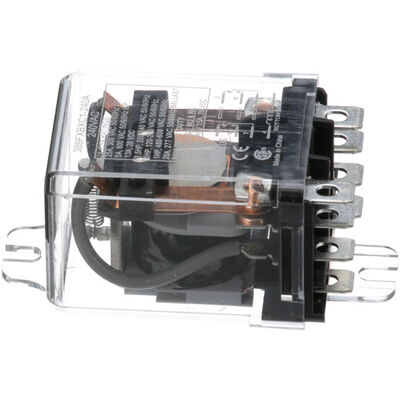
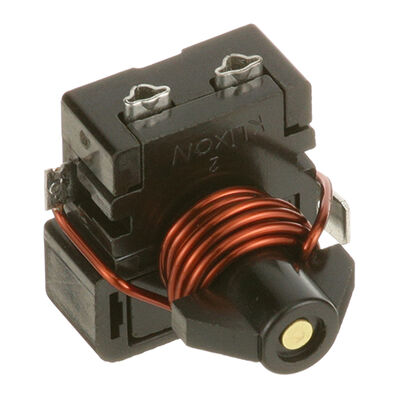
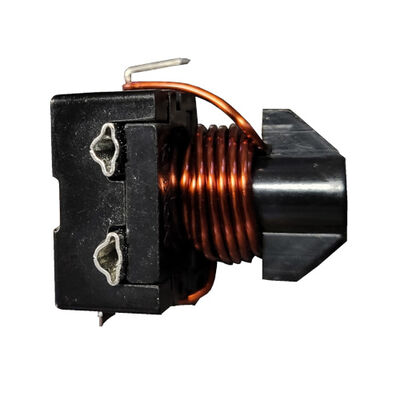
The refrigerator compressor relay is an electrical component that acts as a switch, initiating the start-up of the compressor motor. The compressor is the main part of the refrigeration system, responsible for circulating refrigerant and cooling the air inside the refrigerator. The relay ensures the compressor starts correctly and efficiently.
How does a refrigerator compressor relay work?
It uses an electromagnet to close a set of contacts, which then sends power to the compressor motor. When the thermostat calls for cooling, it energizes the relay's coil, creating a magnetic field. This field pulls the relay's contacts together, completing the electrical circuit and allowing current to flow to the compressor. Once the compressor is running, the relay de-energizes, but the compressor continues to operate until the thermostat is satisfied.
Common Signs of a Faulty Compressor Relay
Recognizing the signs of a bad refrigerator compressor and relay is crucial for timely intervention. Here are some common indicators:
-
Clicking sounds: One of the most common signs of a bad refrigerator compressor and relay is a repetitive clicking sound coming from the compressor area. This noise often indicates the relay is trying to start the compressor but failing. The clicking occurs as the relay repeatedly engages and disengages, unable to maintain a stable connection.
-
Compressor not turning on: If the compressor doesn't start, even when the refrigerator is calling for cooling, the relay may be the culprit. A defective relay can prevent power from reaching the compressor motor, leaving it unresponsive.
-
Overheating: An overheating relay can also be one of the signs of a bad refrigerator compressor and relay. If the relay feels excessively hot to the touch, it may indicate internal damage or a short circuit. Overheating can cause the relay to fail and potentially damage other components.
-
Unusual vibrations: Excessive or unusual vibrations from the compressor area could point to a failing relay. A malfunctioning relay might cause the compressor to start and stop erratically, leading to increased vibrations.
-
Refrigerator not cooling properly: If the refrigerator is not maintaining its set temperature or takes longer to cool, it could be due to a faulty relay. A failing relay can cause the compressor to run inefficiently or intermittently, resulting in inadequate cooling.
Tools You’ll Need to Test and Replace the Relay
Before you begin, gather the necessary tools to safely and effectively test the refrigerator compressor relay and perform a refrigerator compressor relay replacement:
-
Multimeter: A multimeter is essential for testing the electrical continuity and resistance of the relay.
-
Screwdrivers: You'll need a variety of screwdrivers (Phillips and flathead) to remove panels and access the relay.
-
Needle-nose pliers: These are useful for disconnecting and reconnecting wires to the relay.
-
Gloves: Wear gloves to protect your hands from electrical shock and sharp edges.
-
New refrigerator compressor relay replacement: Make sure you have the correct replacement relay for your specific refrigerator model.
How to Test Refrigerator Compressor Relay Using a Multimeter
A multimeter is essential when learning how to test refrigerator compressor relay. Follow these steps to safely and accurately test the relay:
-
Disconnecting power: Always disconnect the refrigerator from its power source before beginning any electrical testing or repairs. This will prevent electrical shock and ensure your safety.
-
Locate the relay: The refrigerator compressor relay is typically located near the compressor, often inside a protective cover. Refer to your refrigerator's service manual for the exact location.
-
Remove the relay: Carefully remove the relay from the compressor. Take a picture of the wiring configuration before disconnecting any wires to ensure proper reconnection later.
-
Continuity test: Set your multimeter to the continuity setting (usually indicated by a diode symbol or an audible beep). Place the multimeter probes on the relay's terminals. A good relay should show continuity (a beep or a reading close to zero ohms) when it's in the closed position and no continuity when open.
-
Resistance test: Set your multimeter to measure resistance (ohms). Place the probes on the relay's terminals. The resistance should fall within the range specified by the manufacturer. An unusually high or low resistance reading indicates a problem with the relay.
-
Interpret multimeter readings: If the multimeter shows no continuity when the relay should be closed, or if the resistance is outside the specified range, the relay is likely faulty and needs refrigerator compressor relay replacement.
How to Remove Relay from Refrigerator Compressor Safely
Knowing how to remove relay from refrigerator compressor safely is critical to prevent damage or injury.
-
Disconnecting power: As always, disconnect the refrigerator from the power source before starting any work.
-
Locating the relay: Find the compressor, typically a black, cylindrical unit at the back of the refrigerator. The relay is usually attached to the side of the compressor.
-
Removing the cover: Some relays have a plastic cover that needs to be removed. Use a screwdriver to gently pry open any tabs or clips holding the cover in place.
-
Disconnecting wires: Use needle-nose pliers to carefully disconnect the wires from the relay terminals. Note the position of each wire or take a photo to ensure correct reconnection during refrigerator compressor relay replacement.
-
Removing the relay: Gently pull the relay straight off the compressor terminals. If it's stuck, use a screwdriver to carefully pry it off, being careful not to damage the terminals.
How to Clean an Ice Machine Water Filter: The Ultimate Guide
Understanding the Refrigerator Compressor Relay Price and Options
The refrigerator compressor relay price can vary based on several factors. When exploring options for refrigerator compressor relay replacement, consider the following:
-
Factors influencing cost: The brand, compatibility, and whether you choose an Original Equipment Manufacturer (OEM) or aftermarket relay can affect the price. OEM relays are typically more expensive but offer guaranteed compatibility and reliability.
-
Average refrigerator compressor relay price: The refrigerator compressor relay price typically ranges from $20 to $80, depending on the factors mentioned above.
Guide to Refrigerator Compressor Relay Replacement
Once you have a new relay, follow these steps for proper refrigerator compressor relay replacement:
-
Installing the new relay: Align the new relay with the compressor terminals and gently push it into place. Ensure it is securely attached.
-
Reconnecting components: Reconnect the wires to the relay terminals, matching the configuration you noted or photographed earlier.
-
Re-testing for proper operation: Before reassembling everything, learn how to test refrigerator compressor relay using a multimeter to ensure it functions correctly.
-
Powering on and monitoring: Restore power to the refrigerator and monitor its operation. Listen for the compressor to start and check that the refrigerator begins cooling.
Preventive Maintenance Tips for Refrigerator Compressor Relay
Preventive maintenance can extend the life of your relay and compressor, reducing the need for frequent refrigerator compressor relay replacement.
-
Regular inspection: Periodically inspect the relay for signs of damage, such as cracks, burns, or corrosion.
-
Cleaning and checking connections: Keep the relay and surrounding area clean and free from dust and debris. Check the wire connections to ensure they are tight and secure.
Understanding how to test refrigerator compressor relays and performing timely refrigerator compressor relay replacement are essential skills for maintaining commercial refrigerators. Regular maintenance and prompt attention to potential issues will ensure your refrigeration systems operate efficiently and reliably, protecting your valuable inventory. PartsFe UK is your trusted online source for commercial ice machine replacement parts. We offer a wide selection of OEM replacement parts from leading manufacturers like Manitowoc and Hoshizaki at competitive prices.
FAQs
Can a faulty refrigerator compressor relay cause electrical damage to other parts?
Yes, a failing relay can cause the compressor to overheat or short-circuit, potentially damaging nearby components or tripping breakers.
How long does a commercial refrigerator compressor relay typically last?
A commercial refrigerator compressor relay generally lasts 5–10 years, but its lifespan may be shortened due to power surges, poor maintenance, or overuse.