
Sanitization Technology in Dishwashers: A Complete Food-Safety Guide
In commercial foodservice operations, dishwashers play a critical role in maintaining food safety, not merely cleanliness. Beyond removing visible food residues, commercial dishwashing systems are engineered to meet commercial dishwasher sanitization standards by reducing harmful microorganisms on plates, utensils, and cookware, helping prevent cross-contamination in high-volume kitchen environments.
This guide explores dishwasher sanitization technology, explaining how these systems function, why they are essential for compliance, and where they are most effectively applied. Understanding modern food safety dishwashing systems enables operators to select, operate, and maintain equipment that supports consistent hygiene and public health protection.
What Is Dishwasher Sanitization Technology & How it Works?
Dishwasher sanitization technology is designed to remove harmful bacteria and ensure dishes are hygienically clean in line with dishwasher sanitization requirements. This is achieved through the coordinated effect of four critical elements that work together to maximize cleaning efficiency and food safety.
-
Mechanical Action: High-pressure spray arms and carefully designed water circulation physically remove food particles and debris, allowing cleaning agents to reach every surface.
-
Temperature Control: Water is heated to sanitizing levels, with the dishwasher's final rinse temperature playing a critical role in bacterial reduction.
-
Chemical Sanitizers: Detergents and rinse agents with antimicrobial properties enhance the removal of microbes, working in tandem with heat.
-
Time and Exposure: Extended wash and rinse cycles ensure sufficient contact time for heat and chemicals to eliminate bacteria, guaranteeing thorough sanitization.
Together, these four elements provide a reliable and efficient cleaning process that goes beyond traditional washing, ensuring dishes are not just visibly clean but truly safe for use.
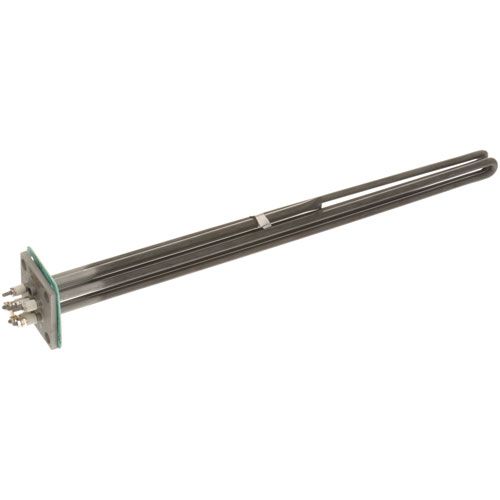
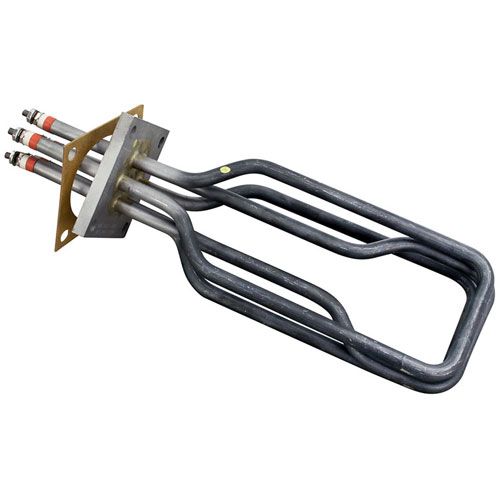
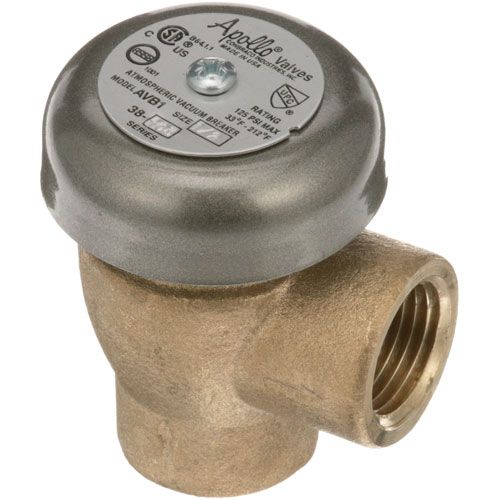
Keep your commercial dishwasher running efficiently with PartsFe UK’s premium replacement parts. We supply high-quality impellers, brackets, timers, and heating elements compatible with trusted brands, including Blodgett, Garland, and Nieco.
Sanitization vs Standard Dishwasher Cleaning
This table highlights the key differences between standard and sanitization dishwasher cleaning.
|
Features / Aspect |
Standard Dishwasher Cleaning |
Sanitization Dishwasher Cleaning |
|
Primary Goal |
Remove visible food residue and stains |
Reduce harmful bacteria and ensure hygienic safety |
|
Temperature |
Moderate (typically 120–140°F / 49–60°C) |
High (typically above 150°F / 65°C) or chemical-based |
|
Cycle Duration |
Shorter cycles |
Longer cycles to ensure proper microbial reduction |
|
Use of Chemicals |
Basic detergents |
Detergents + antimicrobial sanitizers (chemical or rinse agents) |
|
Microbial Reduction |
Limited |
High, designed to meet regulatory or NSF standards |
|
Regulatory Compliance |
Not guaranteed |
Often NSF-certified or compliant with food safety codes |
|
Suitable For |
Home kitchens, light cleaning |
Commercial kitchens, healthcare, high-volume foodservice |
Sanitization delivers superior protection in commercial kitchens, ensuring dishes meet food safety and regulatory standards. Unlike standard cleaning, it effectively eliminates harmful bacteria and reduces the risk of cross-contamination.
Types of Dishwasher Sanitization Technologies Used Today
Modern dishwashers use thermal, chemical, steam-assisted, and UV sanitization technologies to ensure hygiene. These systems may work independently or together based on operational and food safety needs, with operators often evaluating thermal sanitization vs chemical sanitization to select the most effective solution.
|
Sanitization Technology |
How It Works |
Key Benefits |
Ideal Use |
|
Thermal |
Uses very hot water (≥160°F / 71°C) during final rinse to kill bacteria and viruses |
Chemical-free, strong regulatory compliance, fast sanitization |
High-volume commercial kitchens, chemical-sensitive environments |
|
Chemical |
Uses approved antimicrobial agents (e.g., chlorine-based) at lower water temperatures |
Lower energy consumption, effective without high heat |
Commercial and industrial kitchens with energy or infrastructure constraints |
|
Steam-Assisted |
Delivers moist heat into hard-to-reach areas and crevices |
Improved coverage, reduced water use, enhanced drying |
Premium residential and high-efficiency commercial dishwashers |
|
UV Light |
Uses UV-C light to disrupt microbial DNA during drying or storage |
Prevents bacterial reproduction, enhances hygiene when combined with heat or chemicals |
Supplemental sanitization in advanced dishwashers for added food safety |
These sanitization technologies are essential for commercial kitchens, ensuring dishes are thoroughly hygienic. Selecting the right system supports consistent food safety and regulatory compliance.
Explore how to address common cleaning challenges in a commercial kitchen to maintain hygiene and streamline operations.
Key Features That Enable Dishwasher Sanitization
Sanitization performance depends not only on technology but also on specific design features within the dishwasher. These features ensure each sanitizing cycle in dishwashers delivers consistent and verifiable hygiene results.
-
High-Temperature Final Rinse Systems: They use water near 180°F (82°C) to destroy bacteria through thermal exposure. This ensures dish and utensil surfaces reach sanitization levels mandated by food safety authorities.
-
Integrated Booster Heaters: Booster heaters independently raise rinse water temperature to maintain consistent sanitization performance. They ensure required heat levels are achieved even during continuous, high-volume operation.
-
Chemical Sanitization Systems: They use approved agents to reduce pathogens at lower operating temperatures. This approach is effective where energy efficiency or infrastructure limits high-temperature sanitization.
-
Automatic Chemical Dosing Systems: Automated dosing systems deliver precise sanitizer concentrations during each wash cycle. Built-in monitoring prevents under- or over-dosing, ensuring reliable and compliant sanitization.
-
Optimized Spray and Rinse Design: High-pressure, multi-directional spray systems provide complete surface coverage on all dishware. Proper spray design ensures uniform heat or chemical contact across densely loaded racks.
-
Controlled Rinse Contact Time: Extended rinse and hold cycles increase exposure to sanitizing agents. Adequate contact time is essential for achieving validated microbial reduction levels.
-
Safety Sensors and Interlocks: Sensors continuously monitor temperature, pressure, and water flow during operation. If sanitization thresholds are not met, the system automatically adjusts or extends the cycle.
-
Sanitary Stainless Steel Construction: Smooth, non-porous stainless steel interiors resist bacterial buildup and biofilm formation. This construction enhances durability, cleanliness, and heat retention.
-
Rinse Aids and Hygienic Drying: Rinse aids promote effective water sheeting during the final rinse to reduce moisture retention. Faster drying lowers the risk of post-wash contamination during handling.
|
Caution: Always use an ANSI 3 NSF certified dishwasher to ensure at least 99.999% bacterial reduction. Non-certified machines may fail to meet hygiene standards and risk regulatory violations. |
Why Sanitization Technology Matters for Food Safety & Where They are Used?
Effective sanitization technology supports UK hygiene regulations across all commercial food environments and is especially critical for operations using a sanitizing dishwasher for restaurants, where speed, volume, and consistency are essential.
-
Restaurants and Pubs: Fast-paced service demands quick and reliable sanitization to keep dishes and glassware safe for reuse. High-temperature commercial dishwashers support rapid turnaround without compromising hygiene.
-
Hotels and Hospitality Operations: Hotels manage multiple food service areas and large volumes of tableware every day. Sanitization technology ensures consistent hygiene standards while reducing cross-contamination across services.
-
Hospitals and Care Homes: These environments require strict infection control to protect vulnerable individuals. High-level sanitization systems help prevent the spread of harmful pathogens and support compliance.
-
Institutional Kitchens: Large-scale kitchens rely on repeatable and auditable hygiene processes. Sanitization technology supports HACCP plans and delivers consistent results during inspections.
-
Cafes, Bars, and Small Food Businesses: Limited space and staff make efficiency a priority for smaller operations. Compact commercial dishwashers with sanitizing cycles help maintain hygiene without disrupting workflow.
Learn affordable ways to upgrade your commercial dishwasher equipment for improved efficiency, reliability, and hygiene.
Common Misconceptions About Dishwasher Sanitization
Dishwasher sanitization is often misunderstood as a simple cleaning process. In reality, effective sanitization depends on controlled temperatures, correct cycle duration, and machines designed to meet hygiene standards.
Myth: Hand-Washing Is as Hygienic as a Commercial Dishwasher
Reality: Commercial dishwashers ensure consistent sanitization by controlling water temperature and chemical dosing. Manual washing is inconsistent, and failing to reach the required temperatures allows bacteria to survive.
Myth: Dishwashers Use More Water and Energy Than Hand-Washing
Reality: Modern commercial dishwashers are designed for efficiency. They use measured water volumes, recycle rinse water, and often consume less energy and water than continuous hand-washing.
Myth: Higher Temperatures or Extra Detergent Guarantee Sanitization
Reality: Effective sanitization depends on precise temperature and exposure time, not excess heat or detergent. Standards typically require around 60 °C for washing and 82 °C for rinsing.
Myth: Pre-Scraping Dishes Is Unnecessary
Reality: Large food residues can block spray arms and shield bacteria. Pre-scraping ensures proper water circulation and effective sanitization of all surfaces.
Myth: All Dishwashers Sanitize Equally
Reality: Only machines with certified sanitization cycles and temperature monitoring are suitable for hygiene-critical settings like hospitals, care homes, and commercial kitchens.
Popular Dishwasher Brands Offering Sanitization Technology
Top commercial dishwasher brands provide certified sanitization systems that ensure hygiene and regulatory compliance. Their advanced designs deliver consistent, high-level food safety performance.
Electrolux Professional
Electrolux Professional is a global leader in commercial kitchen solutions, trusted for delivering high hygiene standards and operational efficiency.
Sanitization Technologies: Electrolux dishwashers use certified high-temperature thermal disinfection cycles to eliminate harmful bacteria and pathogens.
Applications: Used in restaurants, hotels, hospitals, care homes, and large institutional kitchens across the UK.
Winterhalter
Winterhalter is a specialist manufacturer focused exclusively on professional warewashing systems for demanding environments.
Sanitization Technologies: Employs precision-controlled thermal sanitization combined with advanced water filtration for consistent hygiene performance.
Applications: Ideal for healthcare facilities, contract catering operations, and high-volume foodservice kitchens.
Hobart
Hobart is a well-established commercial equipment brand known for durable and high-performance dishwashing solutions.
Sanitization Technologies: Uses steam-assisted and high-temperature rinse sanitization to ensure reliable bacterial elimination.
Applications: Commonly installed in care homes, schools, hospitals, hotels, and busy commercial kitchens.
Miele Professional
Miele Professional is recognised for precision engineering and premium hygiene solutions in professional environments.
Sanitization Technologies: Features fresh-water wash systems with high-temperature sanitizing rinses to reduce cross-contamination risks.
Applications: Best suited for medical facilities, childcare centres, hotels, and high-end hospitality settings.
Meiko
Meiko is a global manufacturer specialising in hygienic and energy-efficient commercial warewashing technology.
Sanitization Technologies: Relies on high-temperature cleaning and rinse cycles supported by hygienic internal design and automated dosing systems.
Applications: Widely used in restaurants, bars, catering businesses, hotels, and institutional kitchens.
Choosing a trusted brand guarantees consistent sanitization and hassle-free compliance in commercial kitchens.
Final Thoughts: Is Dishwasher Sanitization Technology Worth It?
Commercial dishwasher sanitization technology is an essential investment for foodservice operations where hygiene, safety, and compliance are critical. By precisely controlling temperature, chemical dosing, and cycle time, these systems deliver consistent microbial reduction that manual washing cannot reliably achieve. This level of control supports safer kitchens, smoother inspections, and stronger protection against cross-contamination.
Key Takeaways:
-
Sanitization is different from basic cleaning and is vital for food safety
-
Commercial dishwashers provide consistent, repeatable hygiene results
-
Certified sanitization cycles support regulatory and NSF compliance
-
Proper temperature and contact time are critical for effective bacteria reduction
-
Efficient systems often reduce water, energy, and labor costs
-
Choosing the right technology improves operational reliability and inspection outcomes
For commercial kitchens, investing in the right dishwasher sanitization technology ensures long-term compliance, protects public health, and supports efficient, high-volume operations.
References:
https://www.energystar.gov/products/dishwashers
https://www.food.gov.uk/
FAQs
Why are food safety dishwashing systems important?
They ensure dishes are cleaned and sanitized properly to prevent contamination. This supports hygiene, safety compliance, and customer health.
How do dishwashers kill bacteria?
Dishwashers kill bacteria using hot water, detergent, and strong spray pressure. Heat and chemicals work together to remove and neutralize harmful microorganisms.
What temperature is required for dishwasher sanitization?
Dishwasher sanitization typically requires a final rinse temperature of around 82°C (180°F) to effectively kill bacteria and ensure hygienic dishes.
Is chemical sanitization better than heat sanitization?
Heat sanitization relies on high temperatures, while chemical sanitization uses approved antimicrobial agents at lower temperatures. Choice depends on kitchen needs, energy efficiency, and equipment.
How can I tell if my dishwasher truly sanitizes dishes?
Look for certifications like NSF or ANSI 3, monitor final rinse temperature, ensure correct chemical dosing, and check that cycles meet recommended time and temperature standards for microbial reduction.