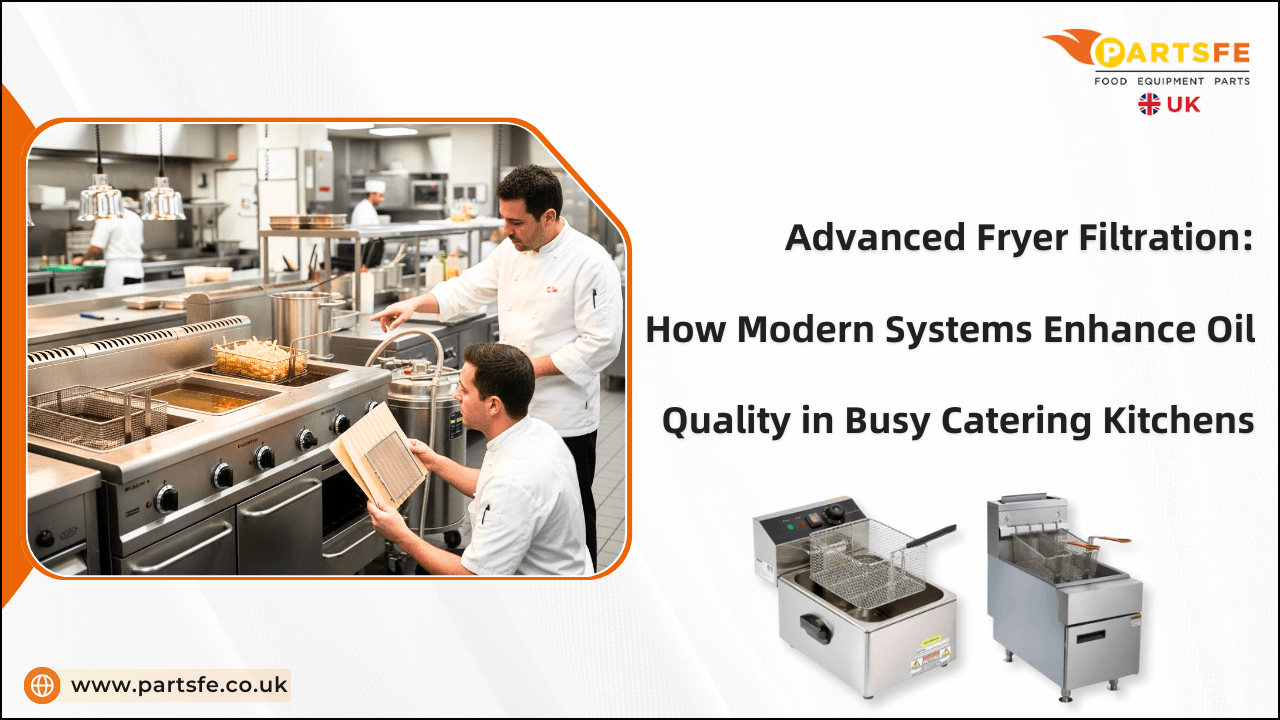
Advanced Fryer Filtration How Modern Systems Enhance Oil Quality in Busy Catering Kitchens
In busy catering kitchens, maintaining oil quality is crucial for ensuring consistent food taste, safety, and operational efficiency. Traditional frying methods often cause rapid oil degradation due to food particles, carbon build-up, and repeated heating cycles. Modern commercial fryers equipped with advanced filtration systems help overcome these challenges by effectively removing impurities, extending oil life, and reducing operational costs. Advanced filtration technology not only enhances oil clarity and overall food quality but also improves kitchen safety by minimizing fire risks linked to degraded oil. By understanding how these systems function, the types available, and the problems they solve, catering operations can optimize frying performance, reduce maintenance, and maintain a cleaner, more efficient kitchen environment.
Understanding Oil Filtration in Modern Commercial Fryers
Modern commercial fryers depend on oil filtration to keep cooking oil clean and stable during repeated frying cycles. Effective filtration helps maintain consistent frying performance while preventing rapid oil deterioration.
Why Oil Filtration Is Essential
-
Removes crumbs, batter, and fine particles that contaminate oil.
-
Prevents burnt flavours by eliminating debris that overheats quickly.
-
Helps maintain clear oil for better colour and texture in fried foods.
-
Reduces smoke and unpleasant odours during peak kitchen hours.
-
Minimises residue buildup, keeping fryers cleaner for longer.
-
Enhances heat transfer, ensuring even cooking results.
-
Supports safer operations by reducing risks linked to degraded oil.
-
Extends oil life, lowering the cost of frequent replacements.
-
Improves energy efficiency by allowing fryers to operate at optimal temperatures.
-
Ensures smoother fryer performance in high-demand commercial settings.
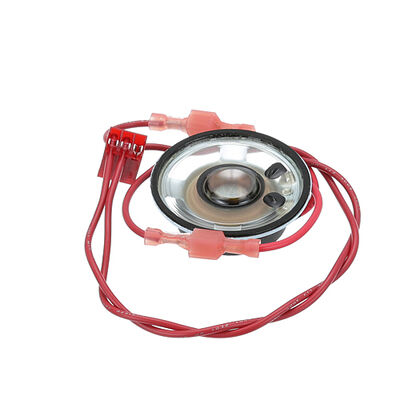
Keep your fryer oil in top condition with PartsFe UK’s high-quality deep fryer replacement parts. We offer deep fryer filters, hot oil filters, and filter screens compatible with trusted brands, including Frymaster, Henny Penny, and Pitco.
How Advanced Fryer Filtration Technology Works
Advanced fryer filtration systems clean oil through a controlled, automated cycle designed to remove impurities and stabilise oil quality during heavy use. Here’s how the process works:
-
Oil Circulation: Hot oil is drawn through filtration lines without cooling or stopping the fryer. Continuous circulation prevents debris from settling and keeps the filtration process efficient.
-
Debris Capture: Oil passes through mesh, paper, or powder filters that remove crumbs, carbon particles, and fine debris. This keeps the oil clearer and prevents burnt flavours or smoke.
-
Pump-Assisted Flow: High-temperature pumps keep oil moving evenly through the system. This ensures thorough filtration and prevents particles from sticking to the vat.
-
Chemical Treatment: Optional filter powders absorb free fatty acids (FFAs) and slow oil breakdown. This maintains oil clarity and extends usable life.
-
Clean Oil Return: Filtered oil is pumped back into the fryer for immediate use. Cleaner oil improves heat transfer, cooking consistency, and food quality.
-
Automated Cycles: Push-button or scheduled filtration cycles reduce manual labour. These systems maintain clean oil throughout busy service periods.
-
Built-In Safety: Sealed systems prevent direct handling of hot oil, reducing burns and spill risks. This enhances safety and hygiene in commercial kitchens.
Traditional vs. Advanced Fryer Filtration
This comparison highlights how modern automated systems outperform traditional methods across efficiency, safety, and cost.
|
Feature |
Traditional (Manual) Filtration |
Advanced/Automated Filtration |
|
Oil Life Extension |
Oil breaks down quickly due to retained crumbs and debris. |
Cleaner oil is maintained for longer periods, reducing changeouts. |
|
Product Consistency |
Variability in colour and taste increases as oil degrades. |
High clarity oil ensures uniform colour, texture, and flavour. |
|
Labour Requirements |
Staff spend significant time draining, cooling, and filtering oil. |
Hands-off systems complete filtration automatically with minimal input. |
|
Operational Safety |
Handling hot oil raises the risk of burns, slips, and spills. |
Enclosed automated filtration removes direct contact with hot oil. |
|
Hygiene Standards |
Debris accumulation is harder to manage, affecting cleanliness. |
Regular automated cycles keep fryers cleaner and easier to maintain. |
|
Oil Waste Volume |
More frequent changes result in larger volumes of waste oil. |
Extended oil use reduces waste and cuts disposal costs. |
|
Running Costs |
Higher spending on oil, disposal services, and labour hours. |
Lower operating expenses due to longer oil life and reduced manual work. |
|
Energy Efficiency |
Degraded oil often requires higher frying temperatures. |
Clean oil allows efficient frying with less heat and energy use. |
Fryer Oil Efficiency Tips: To improve fryer oil efficiency, regularly filter oil to remove debris and maintain clarity, and monitor oil temperature to prevent overheating and preserve food quality.
Key Benefits of Advanced Fryer Filtration Systems
Investing in a modern fryer filtration system delivers major operational, financial, and sustainability advantages for commercial kitchens. Understanding the fryer oil filtration benefits can help businesses maximize performance and efficiency:
-
Better Fry Quality: Advanced filtration removes food debris and impurities, ensuring oil cooks evenly. The result is perfectly golden, crispy fried foods that consistently delight customers.
-
Extended Oil Performance: By capturing fine particles that accelerate breakdown, modern filtration systems significantly extend oil life, reducing the frequency of costly oil replacements.
-
Less Smoke & Odour: Filtering eliminates burnt particles that cause smoke and lingering smells, creating a safer, more pleasant back-of-house environment.
-
Cost Savings: Longer-lasting oil and reduced waste translate directly into lower operating costs, helping kitchens save thousands annually and boosting overall profitability.
-
Eco-Friendly Operation: Filtered oil lasts longer and is easier to recycle into renewable fuels like biodiesel, supporting sustainable kitchen practices and reducing environmental impact.
-
Labour & Safety Improvements: Automated filtration eliminates the need to manually handle hot oil, reducing the risk of burns, spills, and extended downtime, while freeing chefs for more productive tasks.
-
Improved Hygiene & Compliance: Cleaner oil and reduced crumb buildup help maintain a sanitary fryer environment, lowering fire risk and supporting stronger Food Standards Agency (FSA) hygiene ratings.
-
Lower Energy Use: Clean, high-performing oil allows kitchens to fry efficiently at slightly lower temperatures, reducing energy consumption and improving equipment efficiency.
Types of Filtration Systems Used in Modern Fryers
Commercial fryers use a variety of filtration systems to maintain oil quality, extend its lifespan, and ensure consistent food performance. Choosing the best filtration systems for commercial fryers depends on kitchen volume, fryer type, and operational needs.
Manual Filtration
Manual filtration is the traditional method used in smaller kitchens or low-volume operations. It is simple and inexpensive but requires significant labour and care.
-
How it works: Oil is drained from the fryer and passed through a mesh, cone, or paper filter by hand.
-
Pros: Low-cost, easy to implement, requires no special equipment.
-
Cons: Labour-intensive, time-consuming, safety risk handling hot oil, and less effective at removing fine particles.
Automated Filtration
Automated filtration reduces manual effort and improves safety, making it suitable for medium-volume kitchens. It provides consistent oil quality without full integration into the fryer.
-
How it works: Oil is pumped through an external filtration unit, often while the fryer remains hot.
-
Pros: Faster than manual, safer, and more consistent oil quality.
-
Cons: Requires equipment investment, maintenance is needed, and it may not fit all fryer types.
Built-in Filtration Systems
Integrated systems are part of the fryer itself, offering push-button convenience for frequent filtration. Ideal for high-volume kitchens where uptime is critical.
-
How it works: Oil is filtered automatically while the fryer remains hot, and often returned directly to the fryer.
-
Pros: Quick, convenient, minimal staff time, and encourages regular filtration.
-
Cons: Higher upfront cost, limited flexibility if the fryer needs moving, may require proprietary parts or servicing.
Centrifugal Filtration
Centrifugal filtration is used in high-volume or industrial fryers to remove fine particles efficiently. It provides superior oil clarity and performance.
-
How it works: Oil flows through a spinning drum or decanter, where centrifugal force separates solids from the oil.
-
Pros: Highly efficient, removes fine particles, ideal for high-volume operations.
-
Cons: Expensive, complex, requires more space, and has higher maintenance.
Chemical Filtration
Chemical filtration targets compounds that accelerate oil degradation, extending oil life and improving food quality. Often used alongside physical filtration.
-
How it works: Special powders or filter media absorb free fatty acids and other degradation compounds from the oil.
-
Pros: Extends oil life, improves smell and clarity, maintains cooking quality.
-
Cons: Added cost for chemicals, requires proper handling, and does not replace physical debris removal.
Find out how to pick the perfect deep fryer machine for a commercial kitchen, and for expert tips on choosing the right fryer for your business needs
Common Oil Problems and How Filtration Technology Solves Them
In commercial frying, oil is exposed to high heat, food particles, moisture, and repeated use, which can lead to a variety of problems that affect food quality, kitchen safety, and operational costs.
Food Particle Buildup
Fryers accumulate crumbs, batter, and small food debris over time, which can burn and affect flavour.
Solution: Filtration systems remove solid particles automatically, keeping oil cleaner and food tasting fresher.
Oil Degradation
Repeated heating causes chemical breakdown, producing free fatty acids that reduce oil life and change the food's taste.
Solution: Advanced filtration, sometimes combined with chemical media, reduces free fatty acids and slows oil deterioration.
Smoke and Odour
Burnt particles and degraded oil generate unpleasant smoke and strong odours, making the kitchen environment uncomfortable.
Solution: Removing impurities and maintaining cleaner oil reduces smoke, smell, and residue on equipment.
Inconsistent Food Quality
Dirty or degraded oil can cause uneven browning, off-flavours, and inconsistent texture in fried foods.
Solution: Filtration ensures oil remains clear and uniform, resulting in consistent colour, taste, and texture.
Increased Maintenance and Safety Risks
Accumulated debris and degraded oil can clog fryers, create fire hazards, and require frequent manual cleaning.
Solution: Automated and built-in filtration systems reduce manual labour, improve safety, and lower catering kitchen fryer maintenance demands.
Higher Operational Costs
Frequent oil replacement and additional cleaning increase overall kitchen expenses.
Solution: By extending oil life and reducing waste, filtration systems lower oil purchase frequency, disposal costs, and staff labour time.
Check out Commercial deep fryer pots maintenance: Everything you need to know for complete tips and best practices to keep your fryers running efficiently.
Conclusion: Choosing the Right Fryer Filtration System for Better Oil Management
Investing in an advanced fryer filtration system is vital for busy catering kitchens. It keeps oil cleaner for longer, enhances food quality, reduces operating costs, and improves safety, making a significant impact on improving oil quality in catering kitchens. Choosing the right system ensures consistent frying performance, optimises workflow, supports sustainability, and creates a safer, more efficient kitchen environment.
Key Takeaways
-
Extends oil life, lowering replacement frequency and costs.
-
Maintains consistent colour, texture, and flavour in fried foods.
-
Minimises manual labour and enhances kitchen safety with automation.
-
Reduces smoke, odours, and residue, supporting better hygiene.
-
Chemical or centrifugal media can stabilise oil and improve quality.
-
Boosts efficiency, sustainability, and overall operational performance.
Advanced filtration also supports long-term kitchen efficiency and reduces environmental impact by minimising oil waste. With regular maintenance and proper use, kitchens can maximise performance, save costs, and consistently deliver high-quality fried foods in a safer, cleaner, and more sustainable operation.
FAQs
Is filtering fryer oil worth it?
Yes, filtering fryer oil is absolutely worth it because it removes food particles and keeps the oil cleaner for longer. This reduces waste, improves food quality, and lowers your overall oil costs.
What does filtering fryer oil do?
Filtering fryer oil removes crumbs, carbon buildup, and impurities that cause oil to break down faster. It helps maintain consistent frying performance and enhances the taste and appearance of fried foods.
How to extend fryer oil life?
Regularly filter oil to remove debris, maintain proper frying temperatures, and avoid overloading the fryer. Using high-quality oil and optional chemical or centrifugal filtration also helps prolong oil life.