How to Clean Oven Knobs Safely in High-Volume Catering Environments
Maintaining cleanliness in high-volume catering kitchens is crucial for both food safety and operational efficiency. One often-overlooked area is oven knobs, which can accumulate grease, food particles, and bacteria if not cleaned regularly. Dirty oven knobs not only compromise hygiene but can also affect the performance and lifespan of your equipment. In busy commercial kitchens, knowing the correct cleaning methods is essential to avoid damage while ensuring safety. This guide provides a comprehensive overview of why oven knob cleanliness matters, the necessary tools and supplies, step-by-step cleaning procedures, preventive maintenance tips, and common mistakes to avoid. Following these best practices will help keep your catering operations safe, efficient, and hygienic.
Why Clean Oven Knobs Matter in High-Volume Catering Kitchens
Oven knobs in high-volume catering kitchens are handled multiple times daily, often by different staff members. This frequent contact makes them a hotspot for bacteria, grease, and grime accumulation. Over time, these residues can:
-
Compromised hygiene: Grease and food particles can attract bacteria and mold, increasing the risk of food contamination.
-
Impact performance: Sticky or clogged knobs can become difficult to turn, affecting temperature control and oven efficiency.
-
Shortened lifespan: Neglecting regular cleaning can cause wear or corrosion, leading to costly repairs or replacements.
-
Violate regulations: Health inspectors often check equipment cleanliness, including knobs, during routine audits.
Oven knobs cleaning is not only about maintaining a professional appearance but also essential for food safety, efficient kitchen operations, and regulatory compliance.
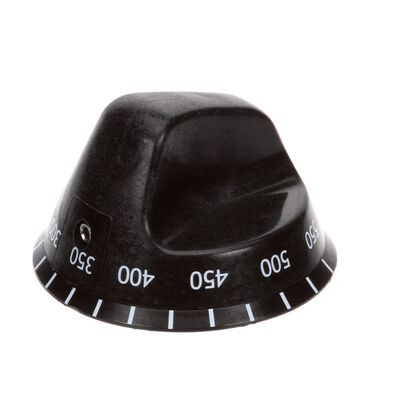
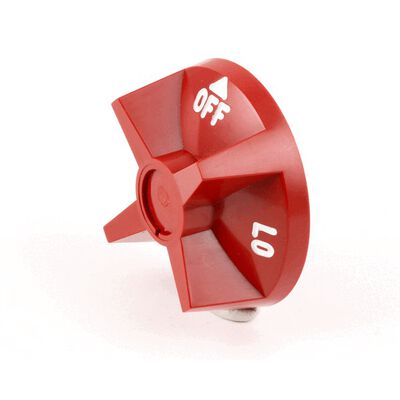
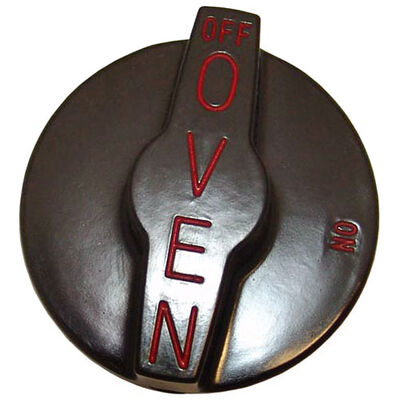
Keep your oven in top condition with PartsFe UK’s high-quality commercial replacement parts. We offer oven knobs, thermostat knobs, timer knobs, and function/mode/selector knobs from trusted brands such as Vulcan, Garland, and Blodgett.
Tools and Cleaning Supplies Needed for Safe Oven Knob Cleaning
Cleaning oven knobs safely requires the right tools and supplies to avoid damage. Using harsh chemicals or abrasive tools can scratch surfaces or remove markings, reducing usability. Here’s what you need:
Essential Tools
-
Microfiber cloths
-
Soft-bristle brush
-
Small bowl or container
-
Rubber gloves
Recommended Cleaning Supplies
-
Mild dish soap
-
Warm water
-
White vinegar
-
Baking soda
|
Category |
Item |
Purpose / Benefit |
|
Essential Tools |
Microfiber cloths |
Soft, gentle, and lifts grease, dust, and residue without scratching. |
|
Soft-bristle brush |
Cleans tight edges, seams, and grooves; loosens grime without damage. |
|
|
Small bowl or container |
Ideal for soaking removable knobs in warm, soapy water for deeper cleaning. |
|
|
Rubber gloves |
Protects hands from chemicals, heat, and prolonged water exposure. |
|
|
Recommended Cleaning Supplies |
Mild dish soap |
Safe degreaser that removes oils and buildup without harming the finish. |
|
Warm water |
Loosens dried food particles, grease, and tough dirt. |
|
|
White vinegar |
Natural disinfectant and degreaser suitable for commercial kitchens. |
|
|
Baking soda |
Mild abrasive for stubborn grime; forms a powerful cleaning paste with water or vinegar. |
Using these tools and supplies ensures that cleaning is both effective and safe for your high-volume kitchen equipment.
Step-by-Step Process on How to Clean Oven Knobs Without Damage
Following a structured cleaning process minimizes risk to both the oven knobs and your staff. Whether you’re using a standard commercial unit or an oven with knobs, here’s a detailed, step-by-step guide:
Step 1: Turn Off and Cool the Oven
Before cleaning, ensure the oven is completely turned off and cooled. This prevents burns and avoids accidental damage to electrical components.
Tips:
-
Allow at least 30 minutes for the oven to cool fully.
-
Use oven mitts when handling areas near the knobs if the oven is still slightly warm.
Step 2: Remove the Knobs
Most commercial oven knobs are designed to be removable. Gently pull them off the control stems. Check your oven manual if you’re unsure about removal.
Tips:
-
Take a photo of the control panel before removing knobs to remember placement.
-
Avoid using excessive force to prevent breaking the stems.
Step 3: Soak the Knobs
Place the knobs in a bowl with warm, soapy water. Allow them to soak for 10 to 15 minutes to loosen grease and grime. For stubborn residues, a mixture of baking soda and water can be used to create a gentle scrubbing paste.
Tips:
-
Avoid very hot water for plastic knobs, which could warp them.
-
For metal knobs, add a few drops of vinegar to help dissolve grease.
Step 4: Clean with a Brush or Cloth
Using a soft-bristle brush, gently scrub around grooves and edges. For surface cleaning, a microfiber cloth dampened with warm soapy water works effectively. Avoid abrasive sponges that can scratch or fade the knob markings.
Tips:
-
Cotton swabs work well for cleaning small crevices.
-
Use gentle, circular motions while scrubbing to prevent any wear or damage.
Step 5: Rinse and Dry
Rinse the knobs thoroughly with clean water to remove all soap residues. Dry completely with a soft cloth before reattaching them to prevent moisture-related damage.
Tips:
-
Make sure the knobs air-dry completely to prevent moisture from affecting the control stems.
-
Use a microfiber cloth instead of paper towels to avoid lint buildup.
Step 6: Wipe the Control Panel
While knobs are removed, clean the oven’s control panel using a microfiber cloth and a mild cleaning solution. This ensures that any grease or dirt on the control stem or surrounding area is removed.
Tips:
-
Avoid spraying liquid directly on the panel; dampen the cloth instead.
-
Check for sticky residues around the knob socket and gently clean with a cotton swab.
Step 7: Reattach the Knobs
Once dry, carefully reattach the knobs to their respective positions. Test each knob to ensure smooth operation.
Tips:
-
Press knobs firmly but gently to avoid bending stems.
-
Rotate each knob to check that it moves smoothly and is correctly aligned with the settings.
Check out this guide on commercial oven error codes and solutions to diagnose issues fast and keep your kitchen equipment running smoothly.
Preventive Maintenance Tips to Keep Oven Knobs Grease-Free Longer
Regular preventive maintenance keeps your oven knobs clean, functional, and safe to use in a busy kitchen environment. Here are some practical steps to reduce buildup and extend their lifespan:
-
Daily Wipe-Down: Use a damp microfiber cloth to wipe the knobs at the end of each shift. This removes fresh grease before it hardens, helping to maintain hygiene standards.
-
Avoid Harsh Cleaning Chemicals: Stick to mild soaps, diluted degreasers, or natural cleaners. Strong chemicals can fade markings or damage plastic and metal surfaces over time.
-
Use Knob Covers: Clear silicone knob covers act as a barrier between grease and the knob surface, reducing cleaning time and preventing long-term buildup.
-
Staff Training: Ensure staff understand the importance of keeping knobs clean and are familiar with the correct cleaning methods. Proper training prevents accidental damage and encourages daily maintenance.
-
Regular Deep Cleaning: Depending on your kitchen’s workload, schedule deep cleaning every week or every two weeks. This helps remove hidden grease around the shaft area and behind the knobs.
Implementing these preventive practices helps keep your knob oven surfaces grease-free for longer, reduces the need for intensive cleaning, and minimizes long-term replacement costs.
Common Cleaning Mistakes to Avoid with Commercial Oven Knobs
Keeping oven knobs clean in busy kitchens is crucial for hygiene, safety, and smooth operation. Avoid these common mistakes:
Neglecting Daily Cleaning
Daily cleaning often gets overlooked during peak service hours, but ignoring this step leads to stubborn buildup and operational issues.
-
Grease, flour, and food particles harden on the knobs when not cleaned regularly.
-
Debris around the knob base can cause stiffness or inaccurate temperature control.
-
Over time, dirt can interfere with the internal mechanism, reducing the lifespan of the knobs.
A simple wipe-down at the end of each shift helps maintain hygiene and ensures smooth temperature adjustment.
Using Harsh Chemicals That Damage Knobs
Stronger chemicals don’t always mean better cleaning—many can cause permanent damage.
-
Industrial cleaners or strong solvents may strip printed markings, making settings hard to read.
-
Harsh chemicals can corrode metal knobs or weaken plastic ones.
-
Adhesives inside the knob may break down, causing the knob to loosen or detach.
Use mild dish soap, diluted cleaning solutions, or gentle degreasers. Always follow manufacturer guidelines when choosing cleaning products.
Over-Soaking Knobs in Water
While soaking knobs seems convenient, too much water exposure can cause internal damage.
-
Extended soaking loosens adhesives or small internal components.
-
Water can seep into the control stem, causing performance issues or electrical faults.
-
Metal inserts inside the knob may start to corrode.
A brief soak followed by light scrubbing with a soft brush or microfiber cloth provides deep cleaning without risking damage.
Ignoring the Control Panel Around the Knobs
Cleaning only the knobs and ignoring the surrounding panel leaves behind grime that can affect hygiene and performance.
-
Grease and food splatters often collect under and around knobs.
-
Accumulated dirt can affect how smoothly the knobs turn.
-
Dirty panels create hygiene issues and may interfere with oven controls.
Wipe the control panel during the oven cleaning session to prevent buildup and maintain overall equipment performance.
Conclusion: Keeping Oven Knobs Clean for Safer, More Efficient Catering Operations
Clean oven knobs are essential for maintaining safety, speed, and compliance in high-volume commercial kitchens. With proper cleaning methods, staff can prevent grease buildup, equipment strain, and operational slowdowns. Regular knob maintenance also supports accurate temperature control during peak service hours. By prioritizing knob care, catering teams keep their kitchen efficient, hygienic, and fully audit-ready.
Key Takeaways
-
Commercial oven knobs require daily wiping to prevent grease accumulation from continuous use.
-
Proper knob cleaning ensures accurate temperature settings during high-demand service periods.
-
Only commercial-safe, non-abrasive cleaners should be used to protect markings and functionality.
-
Removing knobs during scheduled deep-cleaning helps eliminate grease hidden around stems and control panels.
-
Silicone knob protectors reduce residue buildup in fast-paced catering environments.
-
Consistent staff training ensures everyone follows safe, equipment-friendly cleaning practices.
-
Routine maintenance helps commercial kitchens meet HACCP and health-inspection cleanliness standards.
In commercial catering operations, clean oven knobs support safe, efficient, and compliant workflows. Using the correct tools and maintenance routines prevents grease buildup and protects equipment performance. Regular cleaning keeps your ovens reliable, staff operations smoother, and your kitchen fully compliant.
FAQs
Are oven knobs universal?
No, oven knobs are not universal. Different brands and models use specific knob shapes, stem sizes, and attachment styles. Always check compatibility before buying a replacement.
Can you replace oven knobs?
Yes, oven knobs can be replaced easily. Most simply pull off and push on, but some models use clips or screws. Just be sure to choose knobs that match your oven’s stem design.
How do you fix a broken oven knob shaft?
If the knob shaft is cracked or stripped, you’ll need to replace the part rather than repair it. In many cases, the shaft is part of the control switch assembly, so replacing that component usually solves the issue.
How do you clean stainless steel oven knobs?
Wipe stainless steel knobs with warm, soapy water using a soft cloth. For fingerprints or smudges, a mild stainless-steel cleaner works well. Avoid abrasive scrubbers that can leave scratches.