Comparing Gas and Electric Catering Equipment for Professional Kitchens
Selecting the right power source for catering equipment is a fundamental decision for any professional kitchen. Whether a business operates a compact cafe, a high-volume restaurant, or a large commercial catering facility, the choice between gas and electric appliances has long-term implications for efficiency, cost management, workflow, and compliance. As modern kitchens become increasingly technology-driven, both gas and electric systems now offer advanced features designed to enhance precision, output, and reliability.
This comparison provides a clear and structured review of how gas and electric catering equipment differ across performance, installation requirements, running costs, safety, and maintenance. By examining these aspects in detail, kitchen operators can confidently determine which option best aligns with menu demands, available space, and financial considerations.
Key Differences Between Gas and Electric Catering Equipment
Professional kitchens rely on both gas and electric units, yet each power type influences cooking behaviour, installation needs, and running efficiency. Understanding these differences helps businesses select appliances that complement workflow and menu style. This section gives key operating principles and the variations found across fryers, griddles, grills, and ovens.
|
Topic |
Details |
|
Gas appliances |
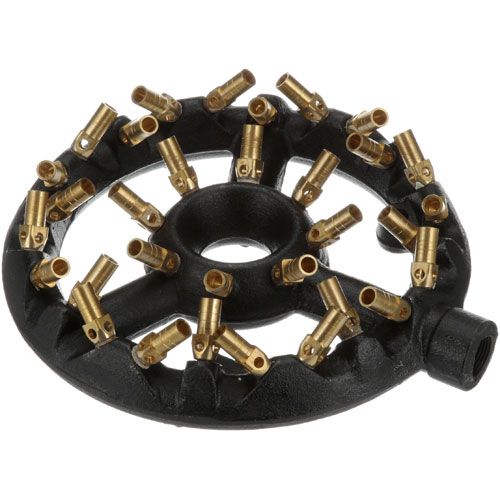
Gas appliances use direct flame, offering a rapid heat response ideal for high-temperature tasks. |
|
Electric appliances |
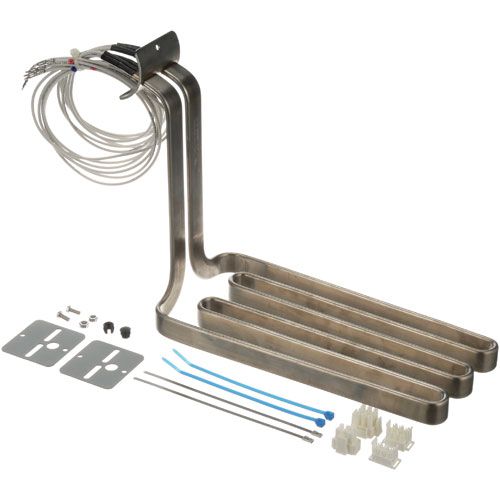
Electric units heat via elements, providing steady and controlled temperatures. |
|
Availability across catering equipment |
Both formats are widely available across Catering Equipment categories such as fryers, griddles, grills, and ovens, giving operators considerable flexibility. |
|
Factors influencing choice |
Energy tariffs, building layout, ventilation availability, and maintenance preferences often determine the preferred choice. |
Energy Efficiency and Ongoing Running Costs in Modern Catering Equipment
Energy use remains one of the largest ongoing expenses in commercial kitchens, making the choice of fuel critical. Gas and electric systems behave differently under continuous load, and their overall cost-effectiveness varies depending on usage intensity and operational volume.
Gas equipment
-
Gas catering equipment typically offers lower fuel costs per kilowatt when compared to commercial electricity tariffs.
-
For high-volume environments where fryers, grills, and griddles operate for extended hours, gas appliances can provide noticeable savings.
-
Gas fryers heat comparatively faster and recover temperature quickly after food is introduced, reducing downtime during busy service periods.
-
Efficiency is strongly influenced by the quality of the burner system and the kitchen’s ventilation setup. Poorly maintained burners may consume more fuel, reducing cost benefits.
Electric equipment
-
Electric catering appliances have advanced significantly in efficiency, especially with modern induction technology and improved heating elements.
-
Electric ovens and griddles maintain consistent temperatures with reduced heat loss, contributing to predictable and stable running costs.
-
Compared to gas, electricity is often more expensive per unit, but electric equipment tends to convert energy more efficiently with minimal wastage.
-
For sites operating on structured energy budgets or where precise temperature control is essential, electric fryers, ovens, and grills offer dependable performance.
Installation Needs, Utility Connections, and Space Planning Considerations
The installation conditions for gas and electric appliances differ significantly in the UK due to regulatory and safety standards. Choosing the correct format often depends on available space, ventilation, and existing infrastructure.
Gas systems
-
Gas systems require appropriate ventilation, robust gas supply lines, and compliance with detailed safety regulations.
-
UK commercial kitchens must be assessed by a Gas Safe-registered engineer before installation.
-
This ensures the correct pressure, safe pipework routing, and adherence to fire-safety requirements. Appliances such as gas fryers and grills often need canopy extraction to manage fumes and combustion gases.
Electric systems
-
Electric appliances require adequate electrical load capacity, appropriate circuit protection, and safe wiring.
-
Many commercial electric ovens, griddles, and fryers operate on high-amperage supplies, so the building’s electrical system must support these demands. Installation is generally simpler than gas, often involving dedicated sockets or hardwired connections.
Cooking Performance, Heat Output, and Precision Control Across Both Power Types
Performance expectations differ between gas and electric units depending on the style of cooking and the need for temperature responsiveness.
Both formats can deliver professional results, though their heat behaviour influences menu consistency.
-
Gas offers immediate heat with excellent responsiveness, making it ideal for frying and grilling tasks that require constant adjustments.
-
Flame systems also allow chefs to monitor heat levels visually. Electric appliances, however, excel in steady and consistent cooking temperatures. Electric ovens maintain uniform heat distribution, reducing the likelihood of cold spots and supporting even baking results.
-
During peak service, electric fryers and griddles can maintain temperature more consistently due to their digital controls and insulated designs.
-
Gas units may cool slightly faster when loaded, but recover quickly with high-BTU burners.
Ultimately, the better option depends on whether the kitchen prioritises speed or precision.
Safety Standards, Compliance Requirements, and Risk Management
Safety standards in the UK dictate how gas and electric catering equipment must be installed, maintained, and operated. Ensuring compliance reduces risks and supports safer working conditions for staff.
-
Gas appliances carry risks related to open flames, carbon monoxide, and potential leaks. Compliance with Gas Safe regulations is mandatory, and annual inspections are essential. Proper ventilation, flame-failure devices, and regular burner cleaning play a critical role in maintaining safety.
-
Electric catering equipment involves risks such as electrical overload, wiring faults, and short circuits. Compliance with BS standards, proper circuit protection, and regular Portable Appliance Testing (PAT) help reduce hazards. Electric systems also remove combustion-related risks, making them a safer option in enclosed spaces with limited ventilation.
Find out UK Commercial Kitchen Regulations For Restaurants & Caterers
Maintenance Demands, Durability Factors, and Long-Term Reliability
Maintenance requirements vary depending on the type of equipment and the intensity of use. While both gas and electric appliances are designed for commercial workloads, their upkeep procedures differ.
|
Aspect |
Gas Appliances |
Electric Appliances |
|
Maintenance requirements |
Regular cleaning of burners, pilot lights, and ventilation components. |
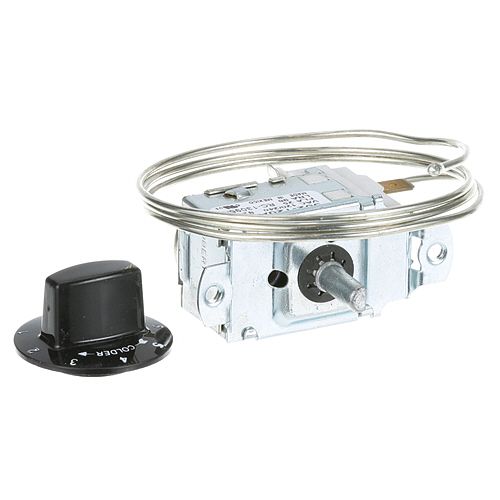
Periodic inspection of heating elements, thermostats, and control panels. |
|
Common issues |
Soot buildup, ignition problems, and ventilation-related inefficiencies. |
Wear in elements or controls; generally fewer mechanical issues. |
|
Servicing frequency |
Often requires more frequent professional servicing. |
Typically requires less frequent servicing. |
|
Technician requirement |
Must be serviced by trained gas specialists. |
It can often be repaired without specialised gas-engineering support. |
|
Parts availability |
Widely available, but some parts require professional installation. |
Usually easy to source and simpler to replace. |
|
Long-term reliability |
Reliable with consistent upkeep; combustion components may wear faster. |
High reliability due to consistent heat distribution and sealed components. |
Choosing the Right Option: Best Use Cases for Gas vs Electric Catering Equipment
Choosing between gas and electric often depends on menu style, kitchen design, and operational volume. Different appliances behave differently in specific cooking environments, making certain options more suitable for particular workflows.
When gas is the better choice
-
Gas equipment is ideal for kitchens requiring rapid heating, intense flames, or high-temperature cooking.
-
Gas fryers provide quick recovery times, making them suitable for busy frying operations.
-
Grills and griddles benefit from the responsiveness of flame control, and gas ovens support high-heat roasting efficiently.
-
Restaurants that rely on traditional cooking techniques, flame-based grilling, or high-throughput frying often prefer gas due to its performance and cost advantages.
-
Large kitchens with robust ventilation systems also find gas installations more feasible.
When do electric suits work better
-
Electric appliances are advantageous in spaces with restricted ventilation or where precise temperature regulation is essential.
-
Electric ovens are well-suited for baking and slow cooking due to their consistent heat distribution.
-
Electric fryers are optimal for controlled cooking in environments prioritising energy predictability and minimal heat fluctuation.
-
Small kitchens, modular setups, and mobile food operations often benefit from electric installations.
-
Their cleaner operation and simpler maintenance make them an attractive option for operators seeking long-term reliability with minimal disruption.
Explore How Often to Service & Maintain Commercial Catering Equipment
Selecting between gas and electric catering equipment requires a clear understanding of a kitchen’s layout, ventilation, workload, and budget priorities. Gas offers high-heat performance and strong cost advantages in high-volume environments, while electric systems provide consistent temperature control, easier installation, and safer operation in confined spaces.
Both options have strengths that suit different menu styles and operational constraints. By assessing energy efficiency, compliance needs, cooking precision, and long-term maintenance, professional kitchens can choose appliances, whether fryers, griddles, grills, or ovens, that deliver the best balance of performance. Ultimately, the right choice ensures smoother service, improved productivity, and a safer, more efficient working environment. PartsFe UK offers a wide range of compatible parts for commercial kitchens, including dishwasher parts, fryer parts, griddle & grill parts, ice machine parts, oven parts, and plumbing parts. With fast UK-wide shipping and excellent customer support.
References:
https://www.hse.gov.uk/pubns/cais23.htm
https://www.shropshire.gov.uk/media/21530/ctv066_food_prep_and_catering_03.pdf
FAQs
Is electric catering equipment more sustainable than gas?
Yes. Electric appliances can be more sustainable, especially when paired with renewable electricity sources. Many modern electric units also offer higher energy efficiency and lower overall emissions compared to gas equipment.
Which option offers better long-term value for a small commercial kitchen?
Electric equipment often provides better long-term value for smaller kitchens due to lower installation costs, easier maintenance, and consistent performance. Gas remains cost-effective for high-output kitchens but requires more infrastructure and ongoing safety checks.