Thermocouples for Commercial Kitchen Appliances: The Ultimate Guide
A controlled heat profile is essential in every professional kitchen, whether it’s a small bistro or a large food-service chain. When temperature fluctuates, cooking results vary, energy consumption increases, and safety can be compromised. That’s why commercial appliances in the UK rely on robust temperature sensors and flame-safety devices to maintain consistent performance and comply with regulations.
Thermocouples are compact, reliable sensors that convert heat into a measurable voltage. This signal is interpreted by control systems to regulate burners, confirm flame presence, or trigger automatic shut-off in unsafe conditions. Understanding how a thermocouple works helps operators, engineers, and service technicians make informed decisions about replacement, calibration, and troubleshooting. This guide compares the main types, highlights their ideal applications, and explains how regular upkeep can reduce downtime.
| Table of Contents: What Is a Thermocouple? Common Types of Thermocouples Used in Commercial Kitchen Appliances Thermocouples in Specific Commercial Kitchen Appliances Key Benefits of Thermocouples in Commercial Kitchens Installation and Maintenance Guidelines of Thermocouples |
What Is a Thermocouple?
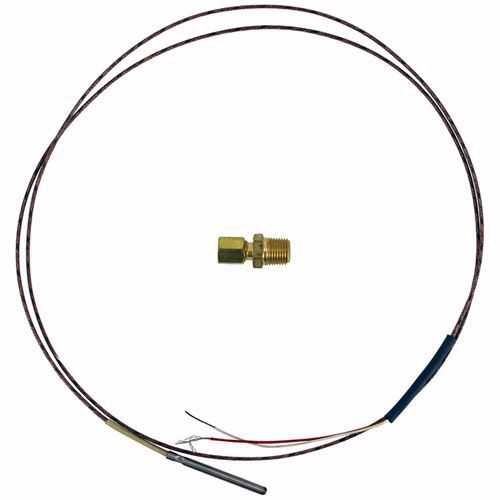
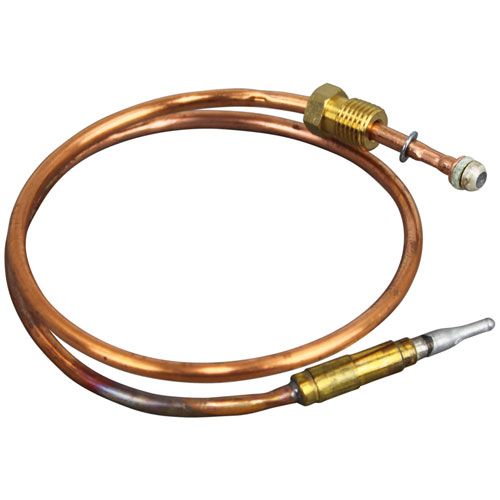
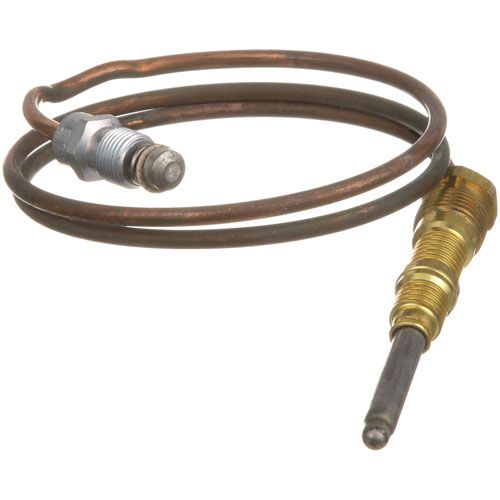
A thermocouple is a temperature sensor formed from two dissimilar metals joined at one end, known as the “hot junction.” When heated, the metals generate a voltage through the Seebeck effect, which varies according to temperature. This small electrical signal is read by a control system that converts it into a temperature value or uses it to confirm flame presence.
-
They serve as both temperature measurement tools and safety components, ensuring that gas valves close automatically if the flame is extinguished.
-
Thermocouples are also easy to install and service, with replacement parts and kits available in standard lengths and fittings.
Common Types of Thermocouples Used in Commercial Kitchen Appliances
The most commonly used thermocouples in catering equipment are K-type, J-type, and universal versions. Each suits different heat ranges and service conditions.
|
Type |
Temperature Range |
Materials |
Typical Applications |
|
K (Chromel–Alumel) |
−200°C to ~1260°C |
|
|
|
J (Iron–Constantan) |
−40°C to ~760°C |
|
|
|
Universal |
Variable |
|
|
-
K type thermocouple: Offers excellent durability and a wide operating range. It withstands oxidation and is suitable for prolonged high-temperature environments.
-
J type thermocouple: Provides faster response and good sensitivity at moderate temperatures but is limited to around 760°C.
-
Universal thermocouple: Designed as a convenient replacement for multiple appliance types, often supplied with adapters for various fittings and threads. Useful for service engineers who need quick, compatible replacements without waiting for OEM parts.
Choosing the right thermocouple depends on the heat level and the environment. For example, a fryer or oven operating at sustained high temperatures benefits from a K type thermocouple, while a griddle or hot-holding unit may perform better with a J type thermocouple.
Thermocouples in Specific Commercial Kitchen Appliances
Thermocouples play a vital role in maintaining safety and temperature accuracy across different commercial and residential appliances.
1. Fryers and ovens
In fryers and ovens, thermocouples monitor extreme heat and help maintain precise temperature control. K type thermocouples are preferred in these appliances due to their durability and oxidation resistance.
-
An oven thermocouple detects cavity temperature or flame presence and communicates with control systems to maintain even heat distribution.
-
Correct positioning ensures accurate readings and stable operation. Deep fryer thermocouples withstand rapid temperature changes and exposure to oil vapours.
2. Gas ranges and pilot lights
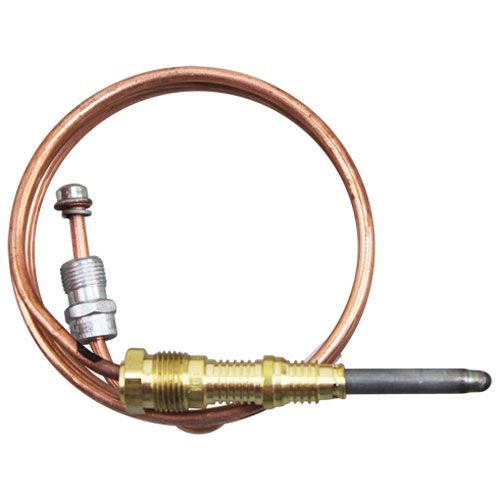
Gas ranges use thermocouples as part of their flame-failure safety systems. A gas range thermocouple sits in the pilot flame; if the flame goes out, the voltage drops and the gas valve closes automatically.
-
Universal thermocouples are often used here because they can be quickly adapted to multiple range models. During maintenance, engineers should clean soot deposits, realign the sensor in the flame, and verify secure connections. Carrying a small thermocouple kit with common threads (M8, M9, or 7/16-20 UNEF) enables on-the-spot replacements.
3. Boilers and water heaters
In boilers and commercial water heaters, thermocouples ensure gas supply only continues when a flame is detected. A faulty sensor could cause the system to shut down unnecessarily or, in rare cases, fail to detect a flame loss.
-
Planned replacement of the thermocouple during annual servicing reduces the chance of downtime. Heavy-duty burners benefit from K type thermocouples, while smaller water heaters may use J type sensors.
-
Routine checks include inspecting for discolouration, measuring millivolt output, and ensuring proper alignment in the burner flame.
Key Benefits of Thermocouples in Commercial Kitchens
Thermocouples are key to ensuring safety, efficiency, and consistent performance in commercial kitchens. Thermocouples help prevent gas leaks by confirming flame presence before allowing gas to flow.
-
Reliability: K- and J-type thermocouples provide stable temperature feedback, ensuring consistent cooking results and protecting against under- or overheating.
-
Reduced downtime: A universal thermocouple allows fast replacement across multiple appliances, minimising disruption during service hours.
-
Energy efficiency: Accurate temperature control helps optimise fuel consumption. Maintaining correct flame detection reduces wasted energy and unnecessary re-ignition cycles.
-
Simplified maintenance: Thermocouples are straightforward to replace, especially when standardised kits are used. Routine cleaning and alignment checks further extend lifespan.
-
Cost-effective operation: Proactive replacement and inspection lower the likelihood of emergency repairs. Reliable flame sensing and heat control also help maintain compliance and reduce insurance risks.
Installation and Maintenance Guidelines of Thermocouples
Proper installation and routine maintenance of thermocouples ensure accurate temperature readings, equipment safety, and long service life.
Planning and preparation
-
Verify the appliance specification before installation: sensor type, millivolt rating, thread size, and required cable length
-
Select the appropriate thermocouple:
-
K type for high-temperature appliances
-
J type for moderate-temperature equipment
-
Universal for multi-brand replacements
Route cables away from direct heat or electromagnetic interference (EMI). Use heat-resistant sleeving and stainless clips for secure installation.
Correct placement
-
Ovens: Position the sensor in a representative airflow area, away from walls and burners, to prevent inaccurate readings from radiant heat.
-
Ranges: Align the gas range thermocouple tip directly in the stable blue pilot flame. Avoid drafts or grease buildup that may cool the junction.
Maintain adequate clearance from fans and moving components.
Electrical connections
-
Clean terminals before connecting and ensure threads are tightened to manufacturer specifications.
-
Observe polarity; reversing the leads can cause false readings.
-
Avoid kinks or sharp bends in the cable that could weaken the sheath or interrupt signal flow.
Routine checks during scheduled maintenance can identify early signs of sensor wear. Keeping spares in stock ensures quick replacement and continuous service availability.
Commercial Kitchen Inspections: A Quick Way to Secure Compliance and Success
Reliable temperature and flame control are critical to every commercial kitchen’s performance and safety. Keeping a well-stocked thermocouple kit and maintaining clear service records help engineers and kitchen managers respond quickly to faults. By understanding how a thermocouple works and maintaining it proactively, UK operators can ensure compliance, improve energy efficiency, and maintain uninterrupted kitchen operations. PartsFe UK offers a wide range of OEM and compatible parts for commercial kitchens, including dishwasher parts, fryer parts, griddle & grill parts, ice machine parts, oven parts, and plumbing parts. with fast UK-wide shipping and excellent customer support
FAQs
Can a universal thermocouple be used with all gas appliances?
Not all gas appliances are compatible. While universal thermocouples fit most standard models, certain appliances may require manufacturer-specific connections or millivolt ratings for safe operation.
How can you test if a thermocouple is working correctly?
You can test a thermocouple using a multimeter by checking the voltage output when heated. A healthy thermocouple typically produces around 25–35 millivolts when functioning properly.