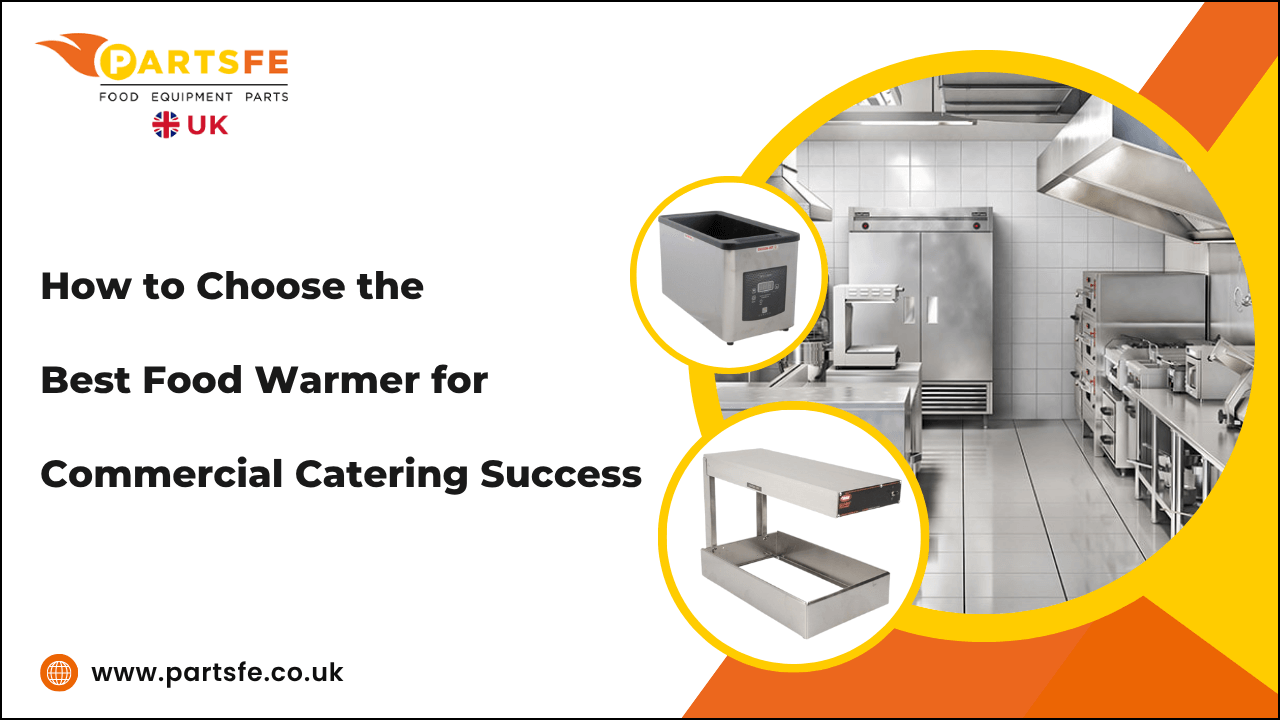
How to Choose the Best Food Warmer for Commercial Catering Success
Selecting the best food warmers is essential in the commercial catering industry. Whether you’re managing a busy kitchen, mobile catering unit, or hosting large events, maintaining food at the right temperature is crucial for safety and customer satisfaction. Proper use of food warming containers, trays, and other solutions not only preserves dish quality not only improves but also enhances workflow and increases efficiency during service, making thoughtful decisions about your food warmers can set your catering business apart. ensuring dishes are served hot and delicious, regardless of your operation's size. Investing in suitable equipment and knowing food warmer maintenance tips supports long-term success and customer loyalty. In this guide, we’ll review the important role of food warmers and help you choose the best options for your needs.
Understanding the Role of Food Warmers in Commercial Catering
Efficient food warmers form the core of every successful catering operation. In this section, we’ll explore their key role in food safety and service quality.
-
The proper use of food warmers is more than just keeping food hot; it preserves the texture, flavour, and nutritional value of your dishes.
-
Caterers face strict guidelines regarding food safety and hygiene, making reliable food warming containers, commercial food warmer ovens, and food warming trays essential.
-
By employing robust food warming solutions, you ensure dishes are always held at safe temperatures, minimising the risk of bacterial contamination and maintaining that “just-cooked” freshness that customers clamour for.
-
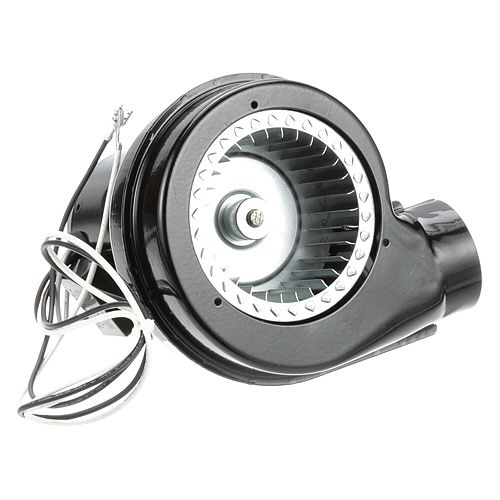
Food warmer light bulbs and food warmer elements play critical roles in ensuring heat is distributed evenly and efficiently, while portable food warmers offer flexibility for caterers on the move.
Understanding the role these essential components play will help you choose the most effective options for your business.
Types of Food Warmers Used in Commercial Catering
There are several types of food warmers used across the catering industry, each suited to different operational needs and service styles.
Bain Maries
Bain maries are a staple in professional kitchens, particularly in buffets, canteens, and carveries. They work by using gentle, indirect heat from hot water to keep food warm without overcooking or drying it out. Available in both electric and wet-well versions, bain maries provide consistent temperature control and are ideal for holding sauces, soups, gravies, and pre-cooked dishes ready for service.
Hot Holding Cabinets
Hot holding cabinets, also known as hot cupboards, are essential for keeping prepared meals at a safe temperature before serving. They are often used for bulk-cooked items or plated meals. Mobile hot cupboards are especially useful for off-site catering or banqueting, allowing food to be transported safely while maintaining quality and hygiene.
Heated Gantries and Pass-Through Units
Heated gantries are positioned above the pass in most professional kitchens. They use infrared lamps or overhead heating elements to keep plated dishes warm while waiting to be served. This ensures consistency during busy service periods and helps maintain food presentation standards.
Countertop and Drawer Warmers
For smaller kitchens or quick-service outlets, countertop and drawer warmers provide a compact, space-saving solution. They deliver reliable heat retention for baked goods, side dishes, or plated meals, ensuring everything is served at the perfect temperature throughout service.
Key Features to Look for in a Commercial Food Warmer
Equipping your kitchen or catering business with the ideal food warmers requires understanding the features that genuinely set leading models apart.
-
Temperature control: The most reliable food warming trays, ovens, and containers allow precise adjustments, ensuring food remains at the optimal temperature without overcooking or drying out. Food warmer element quality directly affects consistency, so always select trusted brands known for robust heating technology.
-
Build quality: Look for stainless steel construction, reinforced handles, and commercial-grade seals. Durable design equals longevity, even under tough working conditions. Additionally, ease of cleaning and compliance with UK food safety standards should be non-negotiable; removable trays and smooth surfaces simplify daily maintenance.
-
Energy efficiency: Modern catering food warmers often feature advanced insulation and eco-friendly heating systems, reducing both running costs and environmental impact.
-
Portability: Choosing portable food warmers ensures flexibility without sacrificing performance. Finally, consider maintenance, easy access to replacement food, warmer light bulbs and elements that simplify repairs, minimising downtime.
Why Smart Kitchen Equipment is the Ultimate Key to Restaurant Success
Matching the Right Food Warmer to Your Catering Needs
Selecting the right food warmers is all about understanding your service style and volume.
-
For fixed catering in restaurants or hotels, large-capacity food warming containers and ovens are often preferred. They handle high throughput and keep dishes ready for extended periods.
-
For mobile or outdoor catering, lightweight and easy-to-transport food warmers or portable food warmer burners may be necessary to maintain standards.
-
Buffet and self-service setups benefit most from food warming trays and lamp-based solutions like food warmer light bulbs, which provide visual appeal and immediate access for guests. If your menu relies heavily on high-turnover dishes, like carveries or plated meals, a combination of ovens for main storage and heat lamps for final holding may represent the optimal approach.
Every catering business is unique, and successful operations adapt their arsenal to meet demand while maintaining efficiency and food safety at every stage. Investing in a mix of catering food warmers that reflect your exact service environment gives your business the versatility to thrive all year round.
The Ultimate Checklist: Must-Have Kitchen Utensils for Chefs and Restaurants
Maintenance Tips and Best Practices for Long-Term Performance
Protecting your investment in food warmers requires diligent upkeep. Here are some essential food warmer maintenance tips for UK caterers.
-
Routine cleaning is vital, food residue and trapped moisture can lead to unpleasant odours, equipment breakdown, and food safety violations. Clean every surface after use, paying special attention to food warming containers, trays, and the inside of your food warmer oven.
-
Regular inspections should include checking food warmer light bulbs for signs of dimming or failure, as well as examining seals, thermostats, and portable units for wear and tear. Swiftly replacing worn components keeps your operation running smoothly.
-
Always follow the manufacturer’s guidelines for maintenance, particularly for more complex units like commercial food warmers and ovens.
-
Scheduling professional servicing annually, especially before peak trading seasons, helps resolve issues before they impact service. Good record-keeping of each unit’s maintenance history supports compliance with UK hygiene regulations and prolongs equipment lifespan.
-
Training staff in these food warmer maintenance tips ensures no detail is overlooked and fosters a culture of accountability and excellence in your catering business.
Choosing the right food warmers for your commercial catering business involves more than selecting products from a catalogue. Remember to weigh up durability, temperature control, maintenance, and suitability for your particular service style. Staying on top of food warmer maintenance tips will protect your investment for years to come. Set your business up for success by making your selection with care, insight, and a commitment to excellence in every meal served. PartsFe UK provides a wide selection of commercial food warmer equipment from leading brands, with rapid UK-wide delivery and outstanding customer service.
FAQs
What is the 2 2 4 rule for food safety?
The 2 2 4 rule for food safety means food should be refrigerated within 2 hours, kept for 2 days in the fridge, and heated to at least 4°C or above before serving to prevent bacterial growth.
Is a 2000W heater better than a 1500W?
A 2000W heater provides more heat output and warms larger spaces faster than a 1500W heater, but it also consumes more electricity.
What is the best type of food warmer container?
The best food warmer container is a stainless steel insulated food warmer, as it retains heat effectively, resists corrosion, and is easy to clean.