Commercial Hand Sinks Made Simple: A Step-by-Step Guide for Restaurants
In the world of hospitality, a restaurant’s reputation and operational success are closely linked to food safety protocols. One foundational, yet often underestimated, component of health and safety in commercial kitchens is the dedicated hand sink. Regulatory bodies and health inspectors scrutinize this fixture, not just as a requirement, but as a critical defense against cross-contamination and the spread of illness.
This comprehensive guide will demystify commercial hand sinks for restaurateurs, chefs, managers, and anyone responsible for food safety compliance. Whether you’re opening your first restaurant or optimizing a high-traffic kitchen, this step-by-step map will ensure you understand every detail, from legal mandates to daily care routines, and help you avoid costly missteps, fines, and service interruptions.
What Are Commercial Hand Sinks and Why Do They Matter in Restaurants
A commercial hand sink is designed exclusively for handwashing in workplaces where hygiene is paramount. Unlike multi-purpose residential sinks, it cannot be used for washing food, dishes, tools, or equipment. Health codes require that these sinks remain unobstructed and available for staff at all times.
-
Fully understanding the function and legal significance of a commercial hand sink is your first step to compliance and operational efficiency. Failing this can result in warnings, fines, and even restaurant closures.
-
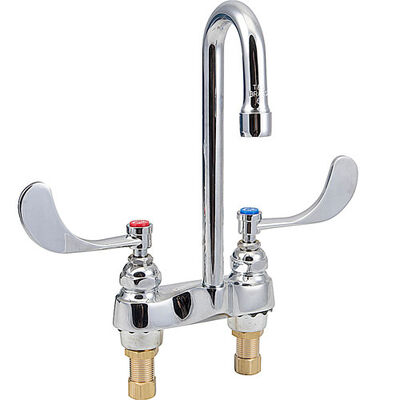
Commercial hand sinks have several defining features. They typically have a durable and easy-to-clean basin, a faucet (often with hands-free options), reliable drainage, and adjacent soap and towel dispensers.
Types & Mounting Styles of Commercial Hand Sinks
Selecting the right-hand sink style for your kitchen is about more than price or aesthetics, it’s a decision that will affect workflow, sanitation, and even future expansion.
-
Wall-mounted sinks: These sinks are attached directly to wall studs, making them ideal for saving precious floor space. They’re easy to clean underneath, making sanitation easier, and are often favored in compact or high-turnover kitchens.
-
Drop-In (countertop/integrated) sinks: These install flush with countertops, creating a seamless appearance. Because they’re inserted into existing surfaces, they may save on plumbing costs and adapt well to custom counters or islands.
-
Pedestal/freestanding sinks: Standing on their own legs or base, these sinks are suitable for mobile kitchens or where walls cannot support weight. They can be an excellent solution for outdoor setups or kitchen layouts, subject to change.
-
Portable/mobile sinks: Self-contained, these units offer on-demand handwashing where plumbing is inaccessible, think catering events, food trucks, or pop-up operations. They include built-in water tanks and often provide hands-free operation.
Key Features and Design Considerations for Optimal Use
Choosing features isn’t just about looking modern; it’s about efficiency, compliance, and long-term savings. Modern hand sinks can include:
-
Faucet types: Gooseneck, swiveling, sensor (touchless), and foot or knee controls significantly reduce cross-contamination risks and water waste.
-
Basin size/depth: Larger basins minimize splashing, while deep bowls cater to staff with larger hands or frequent use.
-
Splash protection: High backsplashes and side guards help protect adjacent prep areas and walls from cross-contamination.
-
Accessory integration: Soap dispensers, paper towel holders, and small shelving units keep essentials close but organized, promoting consistent staff compliance.
-
Water conservation: Aerators and automatic shutoff features help meet sustainability goals and reduce utility bills.
Pro tip: Invest in sensor-operated faucets in high-traffic kitchens; they may cost more upfront, but the hygiene boost and water savings quickly justify the expense.
Step-by-Step Guide to Planning and Installing Commercial Hand Sinks
Successful installation begins with a clear plan, rooted in everyday kitchen operations and legal mandates.
-
Survey your kitchen layout: Map out all prep, cooking, and dishwashing zones. Walk the route your team uses most and identify natural bottlenecks or neglected corners where hand sinks are legally required but often overlooked.
-
Optimal placement: Code usually requires a hand sink no more than 15-20 feet from any food prep or dish area. Avoid installing next to open food storage or directly beside cooking equipment to minimize contamination risks.
-
Plumbing: Plan for hot and cold water supply, drainage with venting, and backflow prevention. Existing plumbing access may limit your options, so consult blueprints or a plumber before purchasing to save on retrofits.
-
Mounting method: Choose between wall, drop-in, or freestanding models based on space, workflow, and support structure. Make sure chosen surfaces can bear weight and that any wall mount does not disrupt the overall kitchen flow.
Pro tip: Schedule your first inspection immediately after installation and before opening to avoid operational delays or last-minute corrections.
UK Commercial Kitchen Regulations For Restaurants & Caterers: What You Need To Know Now
How to Choose the Right Commercial Hand Sink for Your Restaurant
Selecting the right commercial hand sink is essential for maintaining hygiene and ensuring smooth kitchen operations. When making your choice, consider these key factors:
-
Assess your kitchen needs: Evaluate your kitchen’s layout and workflow. High-turnover kitchens, tight spaces, or diverse staff needs may require compact or wall-mounted sinks for efficiency.
-
Plan your budget wisely: Include costs for sink faucets, plumbing, cabinetry, and installation—not just the sink itself. Investing in a high-quality, durable model often saves more in the long run compared to frequent repairs on cheaper units.
-
Check build quality and compliance: Look for sinks made of thick-gauge stainless steel for durability and easy cleaning. Prioritize models with NSF certification, reliable brand reputation, and readily available replacement parts to ensure compliance and longevity.
-
Think about scalability: If your restaurant is growing, consider modular or scalable sink designs. These can be relocated, expanded, or upgraded easily, adapting to future kitchen layout changes without major renovation costs.
Maintenance Tips and Troubleshooting Common Hand Sink Issues
Develop a cleaning schedule, ideally at each shift change or multiple times daily for high-volume kitchens. Use food-safe sanitizers and designate specific staff for oversight.
|
Section |
Details |
|
Preventive checks |
|
|
Common problems |
|
|
Long-term Care |
|
Essential Cleaning Chemicals for Commercial Kitchens: A Complete Guide
Commercial hand sinks are the silent guardians of food safety in any restaurant. Whether you’re upgrading your space or just opening your doors, make the process simple, review your current sinks, match them against local health rules, consult industry experts where needed, and always aim for the highest standards. Stay proactive, stay compliant, and let your commercial hand sinks be the foundation of a safe and thriving restaurant. PartsFe UK offers a wide range of commercial plumbing and hardware parts, including pipes, valves, faucets, drains, wiring, fuses, thermostats, heating elements, and motors from top brands. With fast UK-wide shipping and dedicated customer support
References:
https://www.snohd.org/DocumentCenter/
https://www.food.gov.uk/business-guidance
FAQs
Can a hand sink drain into a floor drain or a grease trap?
Many health codes prohibit direct drainage into floor drains or grease traps for handwashing stations because of contamination risk. Instead, hand sinks usually must connect to the building’s sanitary sewer line via proper plumbing with an air gap or trap.
How often should I inspect or replace faucet sensor parts?
Sensor (touchless) faucets typically require periodic calibration, battery or power replacement (if battery-powered), and sensor cleaning (to prevent buildup). It’s wise to inspect sensor function monthly, test them under usage, and replace any faulty sensor modules every few years