How to Clean and Fix a KitchenAid KSMPSA Pasta Roller in Catering Kitchens
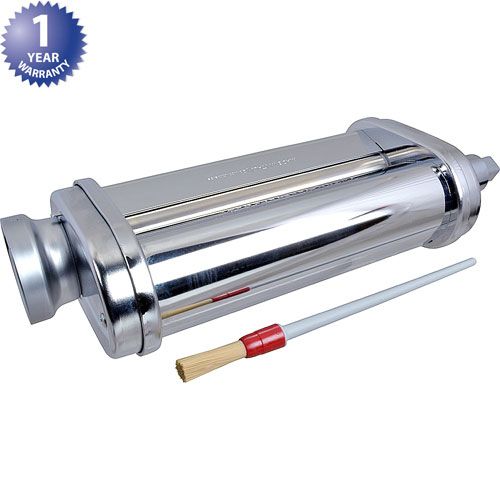
In a fast-paced catering kitchen, even a small equipment issue can disrupt service, delay orders, and compromise food quality. Among the essential tools in such environments, the KSMPSA pasta roller stands out for its reliability and efficiency. It is a vital tool for producing consistent, professional-grade pasta, making it essential to daily operations. Using genuine KitchenAid parts and performing regular maintenance helps prevent dough buildup, mechanical strain, and hygiene risks. Without proper care, performance issues such as sticking, uneven rolling, or jamming can quickly arise. This article provides a comprehensive guide on safely cleaning, troubleshooting, and maintaining the pasta roller in commercial kitchens.
Understanding KitchenAid KSMPSA Pasta Roller in Catering Spaces
The KitchenAid KSMPSA pasta roller is built for heavy-duty use in busy catering kitchens, providing consistent performance even under frequent operation. While it handles large pasta batches efficiently, regular use can expose it to residue and moisture that may impact hygiene and operation. Proper handling, combined with routine cleaning, ensures the roller remains reliable and delivers smooth, high-quality results every time.
Below is a summary of the key features, benefits, and maintenance considerations for the KitchenAid KSMPSA pasta roller, highlighting why it is essential for efficient pasta production in catering kitchens.
|
Feature / Aspect |
Details |
|
Purpose |
Produces large volumes of pasta efficiently in catering kitchens |
|
Key Components |
Adjustable thickness settings, durable stainless steel rollers, quick-attach design |
|
Benefits |
Fast, uniform pasta preparation; precision and efficiency |
|
Challenges with Frequent Use |
Flour buildup, dough residue, and moisture can affect performance and hygiene |
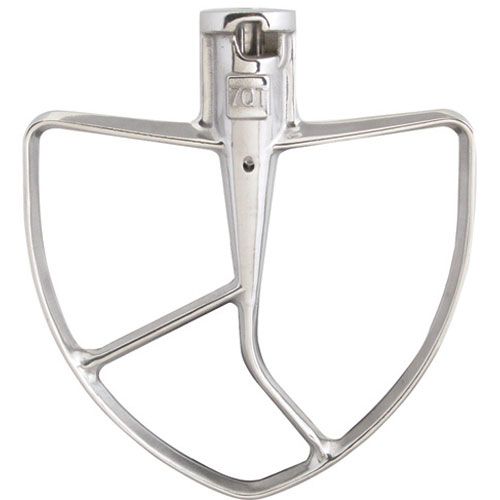
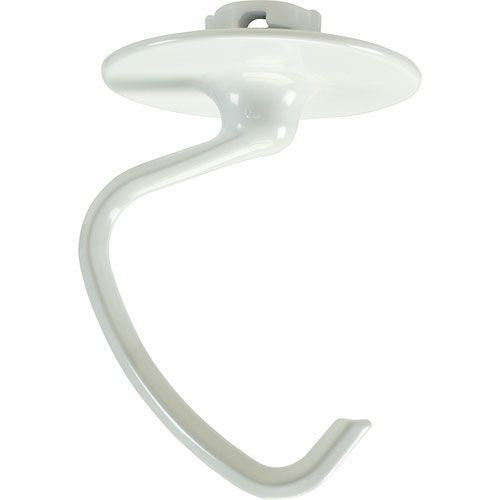
Shop now at PartsFe UK to keep your KitchenAid appliances running at peak performance. We offer replacement parts, including dough hooks, flat beaters, mixing bowls, and blender blades, ensuring smooth operation and reliability in every busy kitchen.
Essential Safety Precautions Before Cleaning or Repairing the KitchenAid KSMPSA Pasta Roller
Handling mechanical attachments in a commercial kitchen requires care to prevent injury and maintain equipment longevity. Before cleaning or repairing the KitchenAid KSMPSA pasta roller attachment, follow these safety precautions:
-
Unplug the Mixer: Always turn off and disconnect the stand mixer to prevent accidental activation during cleaning or maintenance.
-
Protect Internal Gears: The pasta roller’s internal mechanisms are not water-resistant. Use a dry or slightly damp cloth to clean exposed parts, and avoid submerging the attachment in water.
-
Wear Protective Gloves: Gloves help protect hands from sharp edges on the rollers and metal housing while cleaning or inspecting the attachment.
-
Use Gentle Cleaning Tools: Avoid metal brushes or abrasive pads that could scratch the roller surface. Soft brushes, cloths, or wooden cleaning tools are ideal for cleaning the KitchenAid pasta roller without damage.
-
Inspect for Damage: Check for bent rollers, misaligned gears, or loose screws before using or cleaning the roller. Addressing minor issues early prevents further damage and ensures smooth operation.
-
Regular Maintenance Checks: Frequent inspections and light cleaning keep the rollers functioning properly, improve pasta quality, and extend the life of the attachment.
Caution: Always disconnect the mixer before handling the pasta roller. Avoid water contact with internal components, use non-abrasive tools only, and handle rollers carefully to prevent injury or equipment damage.
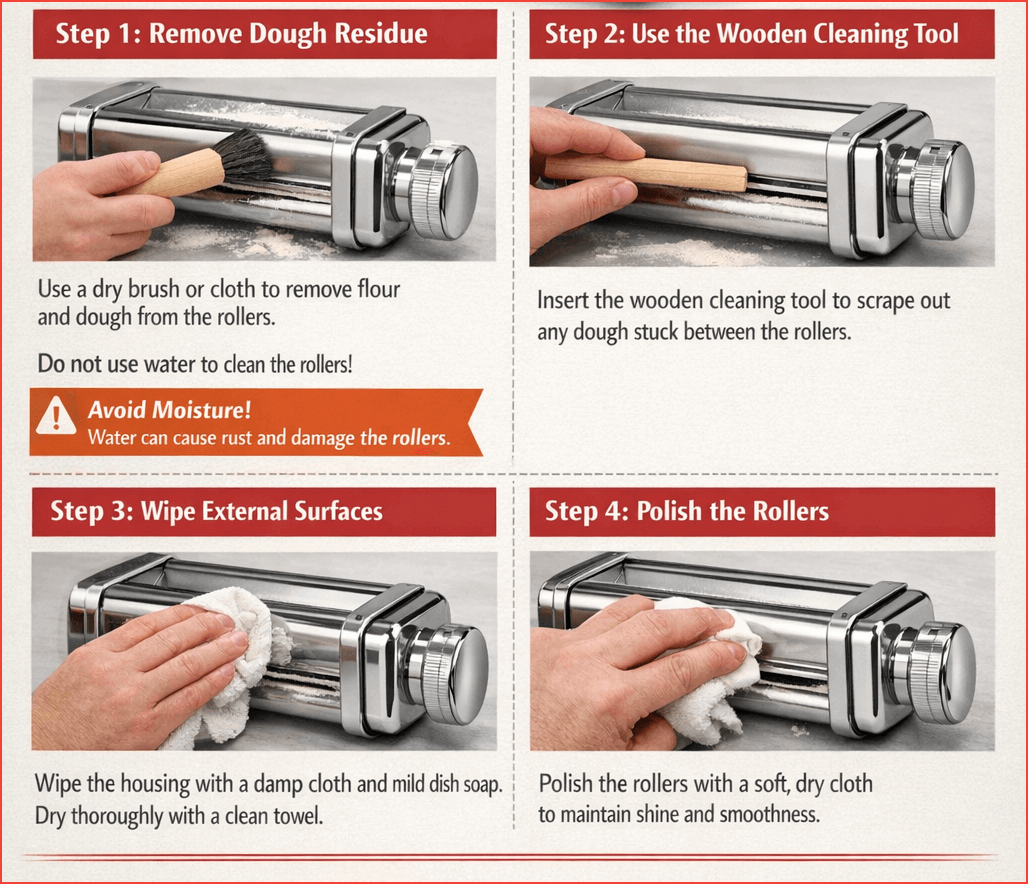
How to Clean KitchenAid KSMPSA Pasta Roller
Regular cleaning is essential in catering kitchens to maintain hygiene standards and prevent dough build-up. Following the KitchenAid pasta roller cleaning instructions below ensures your roller stays in top condition and operates efficiently.
| Disclaimer: This guidance is for general use only. Always follow KitchenAid’s official instructions, and contact an authorized technician for repairs beyond basic cleaning. |
Find out how to solve common commercial kitchen cleaning challenges for safer, healthier operations, streamlining your workflow, and maintaining spotless equipment every day
Troubleshooting Common Issues in KitchenAid KSMPSA Pasta Roller
Even high-quality pasta rollers can experience problems over time, especially in busy kitchens. Identifying issues early and understanding their causes ensures smooth operation and prevents costly downtime. The following tips explain common problems, their causes, and practical solutions.
Dough Sticking to Rollers: When rolling pasta, the dough may cling to the rollers instead of passing smoothly through. This results in uneven sheets and can slow down production in a busy kitchen.
-
Cause: The most common reasons are dough that contains too much moisture or insufficient flouring on the dough or rollers. Wet or sticky dough naturally adheres to the metal rollers.
-
Solution: Lightly dust the dough with flour before feeding it through the rollers. Make sure the rollers are clean and dry before use to reduce sticking. Avoid using too much flour, which can make pasta dry.
Uneven Pasta Thickness: The pasta sheets come out irregular in thickness, which can affect cooking times and the final texture of the dish.
-
Cause: This is often caused by misaligned rollers, improper thickness settings, or an attachment that isn’t securely mounted.
-
Solution: Check that the thickness knob is set to the desired level. Ensure the pasta roller is mounted properly on the mixer and that it sits evenly. If necessary, make small adjustments to the roller alignment.
Stiff or Jammed Rollers: The rollers become hard to turn, or the dough does not move through, creating a jam. This can interrupt the kitchen workflow.
-
Cause: Dough or flour residue builds up inside the rollers over time. Sticky or leftover particles can obstruct roller movement.
-
Solution: Use a wooden or plastic cleaning tool to remove visible dough residue. Manually rotate the rollers to loosen any stuck dough.
Noisy Operation: The pasta roller makes unusual noises during use, which may indicate mechanical stress or misalignment.
-
Cause: Noise usually comes from loose screws, worn external gears, or a lack of lubrication in areas where it is safe to apply it.
-
Solution: Inspect all screws and fasteners on the attachment and tighten them if necessary. If noise persists, consult the manufacturer’s instructions for safe lubrication of the gears without damaging the roller or mixer.
Roller Slippage: The dough slips or doesn’t move correctly through the rollers, which can lead to uneven pasta sheets or even damage to the attachment.
-
Cause: Applying too much force when feeding thick dough or worn internal gears reduces grip on the dough.
-
Solution: Avoid forcing very thick dough through the rollers. Gradually reduce the dough thickness in multiple passes. If internal gears are significantly worn, replacement parts may be needed to restore proper function.
Check out how to troubleshoot turbo air refrigerator fan motor problems to ensure reliable cooling and smooth kitchen operations
Maintenance Tips to Extend the Life of KitchenAid KSMPSA Pasta Roller
Proper care of the KitchenAid KSMPSA pasta roller ensures reliable performance and extends its lifespan. Following simple maintenance practices helps prevent damage, reduce downtime, and maintain consistent pasta quality.
-
Clean After Every Use: Wipe rollers and housing with a dry or slightly damp cloth, use a soft brush or wooden tool to remove dough residue, and avoid water contact with internal gears to prevent sticking, hardening, or rust.
-
Store Properly: Keep the roller in a dry, dust-free environment, and cover or store it in its original box when not in use to protect it from moisture and debris.
-
Regularly Inspect for Damage: Check for bent rollers, loose screws, or worn adjustment knobs before each use and address minor issues immediately to maintain smooth operation.
-
Flour Dough Lightly: Dust dough with flour before rolling to prevent sticking, reduce strain on rollers and gears, and ensure even pasta sheets.
-
Rotate Usage and Avoid Overheating: Alternate usage or allow short breaks during high-volume production, and avoid forcing very thick dough through the rollers to prevent stress on internal components.
-
Schedule Professional Servicing: For commercial kitchens with frequent use, have an authorized KitchenAid technician inspect, lubricate, and service the attachment periodically to maintain peak performance.
When to Seek Professional Help
If your KitchenAid KSMPSA pasta roller continues to jam, stick, or produce uneven pasta sheets despite regular cleaning and maintenance, it may indicate worn gears, misalignment, or other mechanical issues. Avoid further DIY adjustments that could cause damage or void warranties. In such cases, contact an authorized KitchenAid technician for inspection, repair, or replacement to ensure safe and reliable operation in your commercial kitchen.
Summary: Maintaining Reliable Performance in Commercial Kitchens
In catering and commercial kitchens, the KitchenAid KSMPSA pasta roller is essential for producing consistent, high-quality pasta. Regular cleaning, proper handling, and timely troubleshooting prevent sticking, uneven rolling, and jamming. Avoiding water exposure and following safety guidelines helps protect internal components and extend the roller’s lifespan. With correct dough preparation and routine inspections, commercial kitchens can protect their investment and maintain smooth, efficient workflows.
Key Takeaways
-
Clean the pasta roller after every use to prevent residue buildup
-
Avoid washing internal parts with water to prevent rust and damage
-
Use properly rested, lightly floured dough for smooth operation
-
Inspect rollers and attachments regularly for early signs of wear
-
Follow preventive maintenance to extend lifespan and reduce repairs
FAQs
Can you wash a KitchenAid pasta roller?
No. Do not wash it with water or in a dishwasher. Clean only with a dry brush or wooden tool, and wipe the exterior with a damp cloth.
Why is my KitchenAid pasta attachment not working?
It may be clogged with dough, mounted incorrectly, or under strain from thick dough. Clean it thoroughly and ensure proper installation.
Why is my KitchenAid paddle turning black?
This is usually caused by metal oxidation from moisture or detergents. It is cosmetic and can be reduced with gentle cleaning and thorough drying.
Why is my KitchenAid pasta attachment not cutting properly?
The dough may be too soft or sticky, or the cutter may be clogged. Rest and flour the dough, then clean the cutter blades.