Seasoning Commercial Gas Grill Grates: Step-by-Step Guide for Rust-Free Cooking
In a fast-paced commercial kitchen, the performance of your equipment directly impacts food quality and service speed. Among essential tools, commercial gas grill grates stand out as the key to grilling operations. When seasoned properly, they transform from bare metal into a slick, rust-resistant surface that ensures consistent heat distribution, flawless sear marks, and effortless food release. Neglecting seasoning, however, can lead to premature rusting, uneven cooking, and costly downtime.
Whether you rely on rugged cast-iron gas grill grates for their heat retention or prefer sleek stainless steel gas grill grates for easy cleaning, seasoning is critical. With proper cleaning methods, using the best way to clean gas grill grates along with an effective gas grill grate cleaner, and protecting surfaces with gas grill grate covers, you can extend the life of your equipment. And when necessary, investing in replacement grates for a gas grill, including char broil gas grill replacement grates, ensures uninterrupted, high-quality service.
Step 1: Select the Best Grates for Your Commercial Gas Grill
The first step in seasoning is selecting the right material for your grill. The type of grate you choose determines heat performance, seasoning frequency, and long-term maintenance.
-
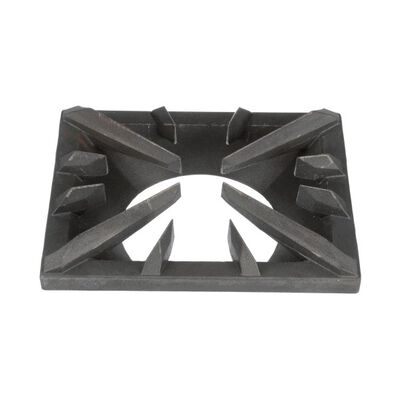
Cast iron gas grill grates: Cast iron gas grill grates are often the first choice for chefs seeking excellent heat retention and bold sear marks. These grates stay hotter for longer, making them perfect for thick steaks or high-volume searing. However, they are prone to rust if neglected.
-
Gas grill stainless grates: Gas grill stainless grates are naturally rust-resistant and require less seasoning. They are ideal for kitchens prioritizing low maintenance and quick cleanup. The downside is reduced heat retention compared to cast iron.
When grates become warped, pitted, or uneven, chefs must consider replacement grates for gas grill setups. Brands often supply char broil gas grill replacement grates, while universal options exist for other models. For durability, look for stainless 304-grade grates or cast iron with a minimum thickness of 0.625 inches. These are considered among the best gas grill grates for professional use.
Step 2: Pre-Cleaning the Grates
Seasoning requires a clean foundation. Skipping this step will cause oil to cling to food residue instead of bonding with the grate’s surface. Proper preparation ensures a flawless seasoning layer.
How to clean gas grill grates before seasoning
-
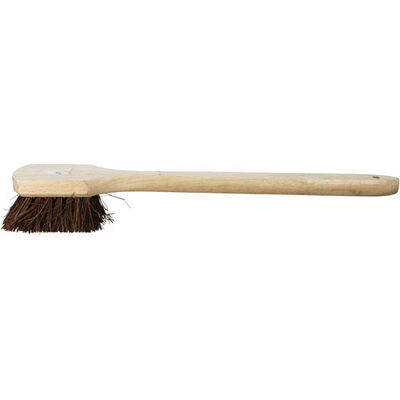
Cold brush-off: Start by brushing away debris with a wire grill brush. This removes surface-level particles.
-
Soaking stage: Place grates in warm, soapy water for 15–30 minutes. This loosens grease buildup.
-
Scrub with cleaner: Apply a trusted gas grill grate cleaner and scrub using a nylon or brass brush. This remains the best way to clean gas grill grates, especially in a commercial setting where buildup happens daily.
-
Rinse and dry: Always rinse with hot water and dry immediately. Moisture left on cast iron gas grill grates is a leading cause of rust.
Professional kitchens with constant service should schedule routine deep cleans with a gas grill grate cleaner. Even gas grill stainless grates, though rust-resistant, benefit from cleaning to prevent flavor contamination.
Neglecting this stage not only affects seasoning but may shorten the life of commercial gas grill parts, requiring earlier investments in replacement grates for gas grill solutions.
Step 3: Coat the Grates with Oil for Proper Seasoning
Once your commercial gas grill grates are clean and dry, the seasoning process begins with oil application.
-
Choosing the right oil: High-smoke-point oils like grapeseed, flaxseed, or avocado oil are ideal. They withstand high heat without breaking down. Avoid oils with low smoke points, such as olive oil, which can create sticky residues.
-
Use a lint-free cloth or heat-resistant brush to apply a thin, even layer of oil. Wipe away excess until only a light sheen remains. Excess oil leads to uneven buildup and poor polymerization.
-
Coat every ridge and corner of cast iron gas grill grates or gas grill stainless grates to ensure uniform seasoning.
-
Role of gas grill grate covers: After seasoning, protect your work with gas grill grate covers. These shields prevent dust, moisture, and accidental scratches, extending the lifespan of your investment in commercial gas grill parts.
Done correctly, oiling enhances non-stick performance, reduces cleaning needs, and minimizes the chance of replacing grates prematurely. With regular care, your grates can rival the best gas grill grates available.
Step 4: Heat the Grill to Lock in the Seasoning Layer
The key to effective seasoning lies in turning oil into a polymerized barrier. Heating seals the oil into the grate surface.
For cast iron gas grill grates
-
Preheat the grill on high for 10–15 minutes with the lid closed.
-
Reduce to medium heat and maintain for 30–45 minutes.
-
The grates should develop a matte-black finish, signaling successful polymerization.
For a gas grill, stainless grates
-
Preheat on low for 5–10 minutes to avoid warping.
-
Increase to medium-high for 20–30 minutes.
-
Rotate grates for even heating.
If oil pools or smokes excessively, let the grates cool, wipe clean, and repeat. This prevents sticky patches that compromise cooking.
By sealing the seasoning, you create durable, rust-resistant commercial gas grill grates. This reduces the need for frequent char broil gas grill replacement grates or other replacement grates for gas grills. Proper heating is what separates amateur seasoning attempts from professional-level results found in the best gas grill grates.
Step 5: Maintain Seasoned Grates for Lasting Performance
Seasoning isn’t a one-time process, it requires upkeep to keep grates functioning at peak efficiency.
-
Daily routine care: After service, while the grill is still warm, gently brush debris off the commercial gas grill grates. Apply a light oil coat to reinforce the non-stick layer. This routine prevents rust on cast iron gas grill grates and preserves the shine of stainless steel gas grill grates.
-
Scheduled deep cleaning: Every 20–30 service days, repeat the full cleaning process using gas grill grate cleaner. This remains the best way to clean gas grill grates in high-volume kitchens. Monitor the integrity of the seasoning layer and reapply as needed.
-
Knowing when to replace: If hot spots, persistent rust, or severe warping appear even after re-seasoning, it’s time to install replacement grates for the gas grill. For specific models, char broil gas grill replacement grates are reliable, while universal stainless or cast iron versions are also available.
-
Protecting idle equipment: When the grill is not in use, always apply gas grill grate covers. This small step protects against moisture, airborne debris, and mechanical damage to your valuable commercial gas grill parts.
-
Upgrading to the best options: Modern best gas grill grates include porcelain-enameled cast iron or specialty stainless steel finishes like Tri-Tex, which reduce seasoning intervals and improve heat distribution. Upgrading ensures maximum efficiency and minimizes downtime in demanding kitchens.
How to Address Common Cleaning Challenges in a Commercial Kitchen
Seasoning is a powerful practice that transforms raw commercial gas grill grates into durable, non-stick, rust-resistant surfaces. By selecting the right grates and mastering how to clean gas grill grates ensure longevity and reduce the need for premature replacements. Recognizing when to invest in replacement grates for a gas grill, including trusted char broil gas grill replacement grates, keeps your kitchen running smoothly. PartsFe UK offers commercial grill & griddle parts, including char broil grill replacement parts and gas grill spare parts. Check out our complete line of OEM parts that can stand the test of time and make your commercial cooking appliance work as it should.
FAQs
How often should commercial gas grill grates be replaced?
Replacement depends on usage and material quality. Cast iron gas grill grates may last longer with proper seasoning, while stainless steel gas grill grates often require replacement every 3–5 years in heavy commercial use.
Can I use household oils for seasoning commercial gas grill grates?
Yes, but oils with a high smoke point, such as canola or grapeseed, are recommended. They create a stronger seasoning layer and reduce sticking compared to olive oil or butter.