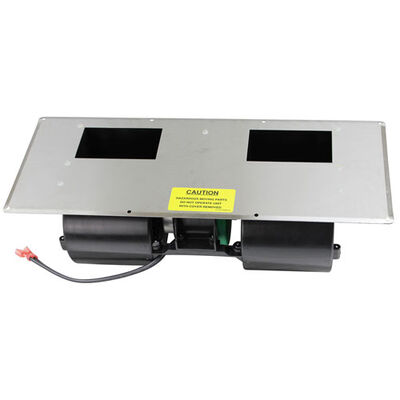
How to Diagnose and Repair Your Fri-Jado Rotisserie Oven Quickly
Diagnosing and repairing your Frijado rotisserie oven efficiently is essential for maintaining smooth kitchen operations in busy UK commercial settings. A properly functioning oven not only ensures consistent cooking results but also prevents costly downtime and unnecessary replacement expenses. Understanding how the oven operates, recognising early warning signs, and applying systematic Frijado oven troubleshooting techniques can help keep your unit in optimal working condition. With the right knowledge and genuine Frijado parts, such as the Frijado timer, Frijado oven fan blade, and Frijado main PCB, you can extend the oven’s lifespan and maintain consistent performance that meets professional kitchen standards.
This guide provides a detailed explanation of how a Frijado rotisserie oven works, the most common performance issues, and step-by-step instructions for diagnosing and repairing faults. It also includes Frijado oven maintenance advice and guidance on when to seek professional repair services for complex issues.
Understanding How a Fri-Jado Rotisserie Oven Works
To effectively perform Frijado oven troubleshooting, it’s important to first understand how the oven functions.
-
A Frijado rotisserie oven operates using a blend of convection heat and rotation to achieve even cooking.
-
The system relies on several core components, including the Frijado oven fan blade, heating elements, Frijado timer, and Frijado main PCB (Printed Circuit Board).
-
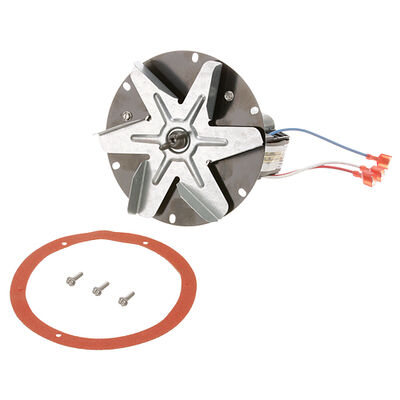
The Frijado oven fan blade circulates hot air throughout the chamber, ensuring uniform heat distribution, while the Frijado main PCB regulates temperature, rotation, and control settings.
-
The Frijado timer allows precise control of cooking cycles, ensuring food is cooked consistently and efficiently.
Each part plays a critical role in maintaining the high performance and reliability that commercial kitchens in the United Kingdom expect from Frijado oven parts.
Common Symptoms of a Malfunctioning Fri-Jado Rotisserie Oven
Recognizing issues early helps prevent costly repairs and extended kitchen downtime.
|
Symptom |
Description |
Likely Cause / Component |
|
Uneven cooking |
|
|
|
The oven fails to reach the desired temperature |
|
|
|
Complete power loss |
|
|
|
Spit fails to rotate |
|
|
|
Strange noises or vibrations |
|
|
|
Inaccurate timer function |
|
|
|
Flickering display or error codes |
|
|
Step-by-Step Guide to Diagnose Performance Issues
Effective diagnosis begins with a structured approach. The following steps outline how to assess and identify problems in your Frijado rotisserie oven:
-
Consult the user manual: Review your oven’s manual for basic Frijado oven troubleshooting procedures. This often includes resetting the oven or checking power connections.
-
Inspect power supply: Ensure that the oven is properly plugged in and the circuit breaker hasn’t tripped.
-
Check the rotation: Observe whether the spit rotates correctly. If not, inspect the drive motor and associated Frijado rotisserie parts for wear or damage.
-
Monitor the heating elements: If the oven doesn’t heat evenly, examine the heating elements and confirm they are connected to the Frijado main PCB securely.
-
Test the timer and control board: Check if the Frijado timer and Frijado main PCB are functioning correctly. A delay or irregularity in timing often signals an internal fault.
-
Listen for noise: Excessive noise during operation might indicate debris or a worn Frijado oven fan blade that needs replacement.
-
Record observations: Document any findings for future reference or to assist a technician in diagnosing complex faults.
Systematic checks like these prevent unnecessary replacement of Frijado parts and ensure accurate diagnosis of the underlying problem.
Commercial Oven Thermostat Issues: A Guide to How to Troubleshoot
Quick Fixes for Common Fri-Jado Rotisserie Oven Problems
Certain issues with a Frijado rotisserie oven can be resolved without professional intervention if handled carefully. Below are some common faults and quick solutions using genuine Frijado parts:
-
Power issues: If the oven fails to power up, check the power cord and plug. Replace damaged cables with certified Frijado oven parts to ensure safety and compatibility.
-
Spit not rotating: Remove any obstructions and inspect the drive belt. Replace worn belts using original Frijado rotisserie parts for reliable rotation.
-
Uneven heating: Clean the Frijado oven fan blade thoroughly to remove grease buildup. If damaged, replace it immediately with authentic Frijado oven parts.
-
Faulty timer: A defective Frijado timer should be swapped with a new one. Always choose genuine Frijado parts to maintain accuracy.
-
Control panel errors: Reset the oven at the mains. If error messages persist, inspect the Frijado main PCB for burn marks or loose connections.
-
Unusual noise: Lubricate moving parts and inspect the Frijado oven fan blade. Replacement is advised if the noise continues.
Before performing any of these repairs, always disconnect the oven from the power source for safety.
The Ultimate Guide to Commercial Oven Error Codes and Solutions
Preventive Maintenance Tips to Avoid Future Breakdowns
Proactive Frijado oven maintenance ensures reliability, safety, and longevity. Here are recommended practices for extending the life of your Frijado rotisserie oven:
-
Regular cleaning: Clean the interior daily, focusing on areas around the heating elements and the Frijado oven fan blade. Buildup can hinder performance and create safety hazards.
-
Inspect moving components: Check that all rotating mechanisms, including belts and the spit assembly, move freely. Replace worn Frijado rotisserie parts before they fail.
-
Monitor electronic components: Regularly test the Frijado timer and Frijado main PCB to confirm they operate as expected. Faulty electronics should be replaced with official Frijado oven parts.
-
Lubricate mechanical parts: Ensure the rotation mechanism is lubricated appropriately to prevent strain on the motor and connected Frijado rotisserie parts.
-
Keep spare parts in stock: Store essential Frijado parts such as fuses, belts, and fan blades for quick repairs during peak hours.
-
Follow a maintenance schedule: Conduct a full inspection monthly or as recommended by your supplier to maintain consistent performance.
By adhering to these preventive steps, you can minimise breakdowns and significantly extend the operational life of your Frijado rotisserie oven.
When to Call a Professional Technician for Help
While routine maintenance and basic Frijado oven troubleshooting can address many issues, certain problems require professional intervention.
-
Complex electrical faults involving the Frijado main PCB, internal wiring, or heating system should only be handled by a certified technician.
-
If your oven exhibits persistent electrical faults, recurring temperature fluctuations, or error messages despite replacing necessary Frijado parts, it’s best to call an authorised service provider in the UK.
-
Professional repair services can ensure proper installation of genuine Frijado oven parts and maintain your warranty coverage.
Moreover, attempting advanced Frijado oven repair without adequate training may result in further damage or violate manufacturer guidelines. When in doubt, always consult a licensed engineer familiar with Frijado rotisserie ovens.
Best Practices for Ensuring Long-Term Performance
To maintain the efficiency and safety of your Frijado rotisserie oven, consistent upkeep is crucial. Incorporate these best practices into your kitchen’s routine:
-
Use only genuine Frijado oven parts for replacements to ensure perfect compatibility and performance.
-
Train kitchen staff on safe handling and cleaning of Frijado rotisserie parts.
-
Record all maintenance and Frijado oven repair activities for warranty and service tracking.
-
Avoid overloading the oven, which can stress components like the Frijado timer and Frijado main PCB.
-
Maintain proper ventilation around the oven to ensure efficient operation of the Frijado oven fan blade.
Implementing these practices will ensure continued operational excellence and prolong the lifespan of the oven. For complex Frijado oven repair tasks, professional assistance from certified UK technicians is recommended. By following this comprehensive guide, operators can enhance reliability, maintain compliance with British standards, and keep their kitchens running efficiently with dependable Frijado rotisserie parts that ensure top-quality results. PartsFe UK offers a wide range of commercial oven spare parts, including burners, heating elements, knobs, door gaskets, temperature sensors, control panels, igniters, and fans at competitive prices and for all types of ovens.
FAQs
How often should a Fri-Jado rotisserie oven be cleaned to maintain performance?
A Fri-Jado rotisserie oven should be cleaned daily after use to remove grease buildup and food residue. Deep cleaning every week helps prevent component wear and ensures consistent heating efficiency.
Can power fluctuations damage a Fri-Jado rotisserie oven?
Yes, power fluctuations can affect the control board and heating elements. Using a voltage stabilizer or surge protector can help protect the oven’s electronic components from electrical damage.