How to Diagnose and Replace a Commercial Ice Machine Water Pump
A reliable ice machine water pump is the unsung hero behind every crystal-clear cube churned out in a busy commercial kitchen or bustling bar. Without proper water circulation, an ice machine grinds to a halt, leading to downtime, lost revenue, and frustrated customers. Recognizing the nuances of an ice machine water pump not working can save precious service hours and prevent costly emergency repairs. From water stagnation to intermittent flow issues, understanding these warning signs empowers maintenance staff and technicians to act swiftly. In this comprehensive guide, we will break down the role of the pump, explore common failure indicators, walk through a detailed diagnostic procedure, and provide a step-by-step ice machine water pump replacement workflow.
Understanding the Role of the Water Pump in Ice Machines
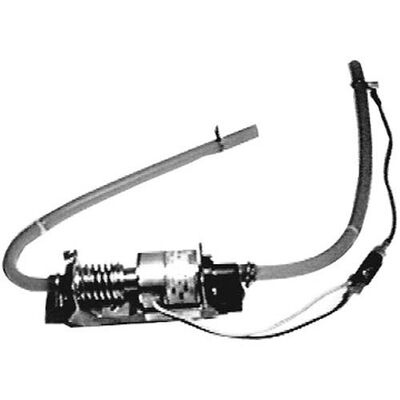
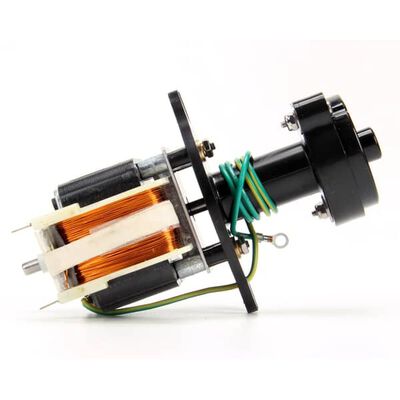
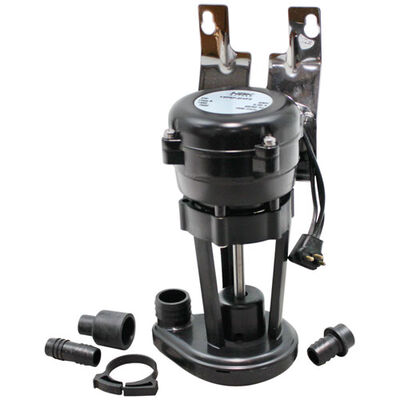
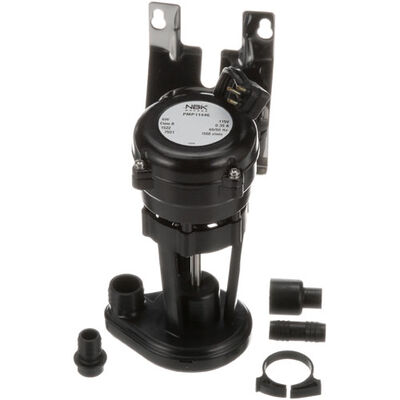
An ice machine water pump is a specialized circulator designed to move water through the evaporator plate, ensuring even freezing and efficient ice production. Unlike residential pumps, a commercial unit must handle larger volumes, endure constant operation, and resist scale buildup.
How it works
-
Intake: Water from the reservoir enters the pump housing.
-
Impeller action: An internal impeller spins at high speed, creating pressure.
-
Circulation: Pressurized water flows across the evaporator plate, freezing into cubes or flakes.
-
Recirculation: Excess water drains back into the reservoir for reuse.
This cycle repeats every freeze/melt interval, demanding consistent performance from the water pump for the ice machine. Failure at any stage can lead to poor ice quality, reduced yield, or complete shutdown.
Signs Your Ice Machine Water Pump Is Failing
Commercial operators should be vigilant for these red flags indicating an ice machine water pump not working:
-
No ice production: When the pump stalls, water no longer reaches the evaporator, causing the machine to halt ice formation entirely.
-
Low water flow or stagnant water: A weak or clogged pump leads to reduced circulation. You may notice slimy or murky water pooling in the reservoir instead of flowing.
-
Unusual noises: Grinding, rattling, or high-pitched squeals signal worn bearings, loose impellers, or foreign debris inside the ice maker water pump.
-
Error codes and alerts: Modern units display codes like “P3” or “F5” to flag flow-related issues. Consult your model’s manual—codes often point directly to pump malfunctions.
-
Intermittent operation: The pump runs erratically, causing cycles of thin ice or partial freezes. This symptom often precedes full ice machine not pumping water stoppages.
Continuous monitoring of these indicators helps avoid emergency breakdowns and ensures your ice machine parts remain in top condition.
Step-by-Step Diagnosis of a Faulty Water Pump
Before ordering parts, accurately diagnose the issue. Follow these systematic steps:
Power checks and visual inspection
-
Disconnect power at the breaker.
-
Inspect wiring for loose connections, burned insulation, or corrosion. Faulty wiring can mimic pump failure.
-
Confirm the pump’s power cord is intact and securely plugged into the junction box.
Listening for abnormal noises
-
With power reconnected, run a brief test cycle.
-
Place an ear near the pump housing, grinding or clicking indicates mechanical wear.
-
Silence may also reveal a dead motor rather than just a clogged impeller.
Testing Continuity and Flow Levels
-
Use a multimeter to check motor windings, typical resistance values range between 10–50 Ω.
-
Open circuits or infinite readings confirm a burned coil.
-
Measure flow rate by redirecting the discharge to a calibrated container during a cycle.
Isolating the pump
-
Remove the pump inlet and discharge hoses.
-
Manually spin the impeller (with power off) to detect obstructions.
-
Reconnect hoses one at a time and test—this determines if blockages in ice machine parts, like filters or valves, are causing low flow.
-
Upon confirming pump-level failure, proceed to gather tools and replacement parts.
How to Replace the Ice Machine Water Pump
Follow these detailed steps for a smooth ice machine water pump replacement:
Essential tools:
-
Flathead and Phillips screwdrivers
-
Adjustable wrench set
-
Multimeter (for post-installation testing)
-
Tubing cutter (for stiff inlet/discharge lines)
-
Pipe sealant or Teflon tape
-
Silicone lubricant (food-grade, for O-rings)
-
Recommended Replacement Pumps—Hoshizaki ice machine water pump, Scotsman ice machine water pump, Generic universal water pump for ice machine
Safety precautions: Power down at the breaker and verify voltage absence with a multimeter. Shut off the water supply and drain the reservoir completely. Wear gloves and safety glasses to guard against sharp edges and water spray.
Disconnecting power and water supply: Remove the service panel to access the pump compartment. Trace and label electrical leads connecting the ice maker water pump to the control board. Detach inlet and discharge hoses, catching residual water in a bucket.
Removing the old pump: Loosen mounting bolts or clips holding the pump bracket. Slide the worn ice machine water pump out, taking care not to damage adjacent tubing. Inspect O-rings and hose fittings, and replace any that show wear.
Installing the new pump: Apply food-grade silicone lubricant to new O-rings for a watertight seal. Position the water pump for the ice machine into the bracket, aligning the mounting holes precisely. Secure bolts to the manufacturer’s torque specs to prevent vibration.
Reassembly and testing: Reconnect hoses, wrapping threads with Teflon tape to eliminate leaks. Attach electrical leads to matching terminals on the pump. Restore water and power, then initiate a test cycle.
How to Clean an Ice Machine Water Filter: The Ultimate Guide
Post-Replacement Tips and Maintenance
Ensuring longevity of your new ice machine water pump requires routine care:
-
Sanitize the reservoir and evaporator every 3–6 months. Use manufacturer-approved cleaning agents to dissolve scale without damaging ice machine parts.
-
Install an inline sight glass or flow meter to catch early signs of the ice machine water pump not working. Log weekly flow readings, a downward trend indicates emerging blockages or wear.
-
Replace water filters on schedule to avoid debris that clogs the ice maker water pump.
-
Inspect hoses, hinges and clamps quarterly for cracks or looseness.
-
Lubricate pump shaft bearings annually if serviceable.
-
Proper maintenance not only prevents the ice machine from not pumping water but also extends the lifespan of costly components like the hoshizaki ice machine water pump and scotsman ice machine water pump.
Diagnosing and performing an ice machine water pump replacement is a manageable task when armed with the right knowledge, tools, and genuine ice machine parts. Whether you opt for a hoshizaki ice machine water pump, scotsman ice machine water pump, or a high-quality universal water pump for an ice machine, meticulous installation and ongoing maintenance are key to peak performance. Invest in brand-specific parts, adhere to recommended service intervals, and leverage this guide to ensure your ice maker delivers consistent, crystal-clear cubes day in and day out. PartsFe UK is the online store for commercial ice machine replacement parts for your business. We have OEM replacements from top manufacturers at affordable prices.
FAQs
Can I use a universal water pump for any commercial ice machine model?
While some universal models may fit, it’s highly recommended to use brand-specific components like a Hoshizaki ice machine water pump or a Scotsman ice machine water pump to ensure proper functionality and longevity.
How long does a commercial ice machine water pump typically last?
The lifespan of an ice maker water pump varies, but with regular maintenance, it can last 3 to 5 years. Water quality and usage frequency significantly impact its durability.