How to Troubleshoot Common Pitco Fryer Issues Like a Pro
Running a commercial kitchen requires equipment that can withstand constant use while delivering consistent results. The Pitco fryer is widely trusted by restaurants, pubs, and catering facilities because of its durability and efficiency. However, even the most reliable appliances face occasional breakdowns. When this happens, it can disrupt service, frustrate staff, and lead to unhappy customers. Whether you’re dealing with worn-out Pitco fryer baskets, a Pitco fryer filter pump not working, or inconsistent Pitco fryer temperature control, this article gives you step-by-step strategies to solve problems like a professional technician. By learning how to carry out proper Pitco deep fryer parts troubleshooting, you’ll save money on unnecessary callouts.
Understanding Your Pitco Fryer: Key Components and Functions
A Pitco unit is more than just a tank of hot oil, it’s a carefully engineered piece of equipment with multiple systems working together.
-
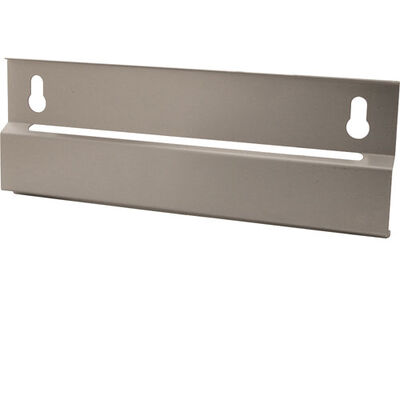
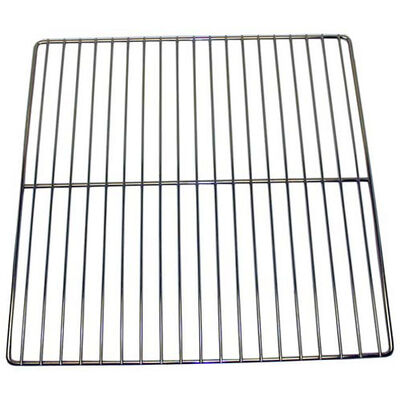
The essential Pitco deep fryer parts include the heating system (gas burners or electric elements), the thermostat, the high limit switch, the control board, and the filtration system.
-
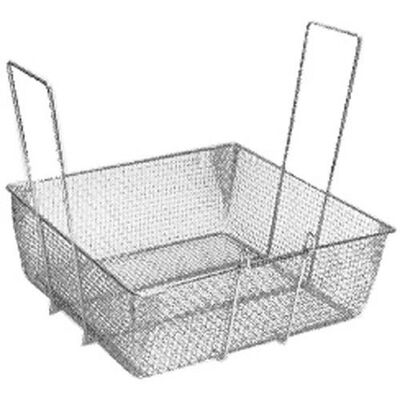
Accessories like Pitco fryer baskets ensure safe and consistent frying, while consumables such as Pitco fryer filter paper maintain oil quality and prolong usage cycles.
For example, if you notice food cooking unevenly, the issue likely relates to Pitco fryer temperature control, whereas oil drainage problems usually connect to filter pumps, valves, or damaged seals.
Common Pitco Fryer Problems Every Operator Should Know
Commercial kitchens tend to face similar issues with fryers, regardless of location or volume. Spotting these recurring Pitco fryer problems early prevents small issues from turning into expensive repairs.
-
Inconsistent or inaccurate Pitco fryer temperature control.
-
Heating system failures caused by damaged thermostats or blocked burners.
-
Blocked drains leading to oil spills and slow filtration.
-
Torn or saturated Pitco fryer filter paper reduces oil flow.
-
The dreaded Pitco fryer filter pump nis ot working, which halts oil circulation altogether.
-
Damaged or warped Pitco fryer baskets affect portion control and food safety.
-
Electrical faults range from blown fuses to faulty ignition modules.
These problems can be disruptive, but with a structured approach, many can be resolved in-house without waiting days for an engineer.
Step-by-Step Process to Diagnose Heating and Temperature Issues in Pitco Fryers
Inconsistent oil temperatures don’t just affect food quality, they also increase energy consumption and pose potential safety risks.
When your fryer struggles to heat properly or overshoots temperatures, start by examining the Pitco fryer temperature control system. Faulty thermostats, sensors, or high-limit switches are usually responsible.
How to diagnose and fix heating faults:
-
Check the basics: Ensure the fryer is receiving the correct gas or electrical supply. Low gas pressure or poor electrical connections often mimic larger problems.
-
Inspect the thermostat: If the fryer fails to maintain set temperatures, the thermostat may be miscalibrated. Calibration should be carried out regularly, especially in high-use kitchens.
-
Test the high-limit switch: This safety device prevents overheating. If it trips frequently, it may be faulty or be detecting an underlying issue such as poor ventilation.
-
Look at heating elements or burners: In gas models, check that burner flames are blue and steady. In electric units, inspect elements for signs of wear.
-
Replace with genuine Pitco parts: Using compatible Pitco deep fryer parts ensures long-term reliability.
Example: A restaurant in Manchester experienced undercooked chips due to fluctuating oil temperatures. The fault was traced to a misaligned thermostat. Replacing the component with the correct Pitco parts restored consistent Pitco fryer temperature control and improved cooking efficiency.
How to Reset Your Pitco Fryer High Limit Switch in Minutes
Troubleshooting Oil Flow, Drainage, and Filtration Problems in Pitco Fryers
The most common oil-related complaints involve clogged drains, worn valves, and issues with filtration. Torn or saturated Pitco fryer filter paper is often overlooked, yet it’s critical to smooth oil circulation.
How to troubleshoot oil and filtration issues:
-
Drain inspection: If oil drains slowly, check the valve for blockages or worn Pitco parts. Clean or replace as needed.
-
Filter paper replacement: Ensure Pitco fryer filter paper is replaced daily or when visibly saturated. Never reuse sheets, as they compromise oil flow.
-
Pump checks: If the Pitco fryer filter pump not working, start by checking for blockages in hoses or the pump chamber. If clear, the motor may have failed.
-
Oil quality: Dirty oil reduces flow and filtration efficiency. Regularly test oil and replace when degraded.
-
Routine cleaning: Implement strict cleaning schedules as part of Pitco fryer maintenance to prevent recurring blockages.
Example: A pub kitchen in Leeds reported their fryer shutting down due to oil backup. The culprit was repeatedly reused Pitco fryer filter paper, which clogged the system. Switching to fresh paper and performing routine cleaning solved the issue, saving them frequent service calls.
Commercial Deep Fryer Filters 101: When and How to Replace Them
Electrical and Safety Malfunctions: How to Identify and Fix Them in Pitco Fryers
Operating a fryer with bypassed safety systems is extremely dangerous, both legally and operationally.
Common problems include tripped breakers, damaged wiring, faulty ignition modules, or malfunctioning control boards. Each of these requires systematic Pitco deep fryer troubleshooting.
Steps to diagnose electrical and safety issues:
-
Check fuses and breakers: A tripped breaker may indicate an overload. Reset cautiously and investigate the cause.
-
Inspect wiring: Loose or frayed wires compromise safety. Replace with compatible Pitco parts where necessary.
-
Test ignition modules: In gas fryers, ignition failures prevent burners from lighting. Replace damaged modules promptly.
-
Evaluate safety switches: Never bypass high-limit or door switches. If they are faulty, replace them immediately.
-
Use professionals when required: While minor checks can be done in-house, complex electrical repairs should be handled by qualified technicians.
Example: A cafe in London repeatedly lost power to its fryer during peak hours. Investigation revealed a faulty ignition module that overloaded the system. Replacing the module with original Pitco deep fryer parts restored reliable performance and safeguarded against fire risks.
Preventive Maintenance Tips to Avoid Future Pitco Fryer Issues
Proactive Pitco fryer maintenance saves money, reduces downtime, and extends the life of your equipment.
-
Daily tasks: Clean Pitco fryer baskets thoroughly, skim oil, and check for wear. Replace Pitco fryer filter paper after each use.
-
Weekly tasks: Inspect drain valves, clean burners, and ensure proper oil filtration.
-
Monthly tasks: Calibrate Pitco fryer temperature control systems to maintain accuracy.
-
Quarterly tasks: Service pumps to avoid the Pitco fryer filter pump not working unexpectedly.
-
Annual servicing: Schedule professional inspections, particularly for electrical components and safety switches.
Stocking essential Pitco parts in advance reduces downtime when problems occur. Keeping spare Pitco fryer baskets, thermostats, and filter papers on hand allows quick in-house fixes and uninterrupted service.
Troubleshooting Pitco fryers doesn’t need to be intimidating. By understanding key components, recognising common Pitco fryer problems, and following structured Pitco deep fryer troubleshooting steps, operators can quickly restore functionality and maintain high-quality output. Identifying these early and replacing them with genuine Pitco parts ensures long-term performance. With consistent attention and the right approach, your fryer remains a reliable workhorse, keeping your kitchen running smoothly and profitably. PartsFe UK offers a range of commercial fryer spare parts, including fryer baskets, deep fryer filters, fryer thermocouples, and pot caster wheels. Get the required ones for your commercial kitchen needs.
FAQs
What are common Pitco fryer error codes?
Common Pitco fryer error codes include E04 for high limit shutdown, E05 for ignition failure, and E06 for temperature probe issues.
Why is my Pitco fryer not pulling oil?
A Pitco fryer not pulling oil is often due to a clogged filter, blocked pump, or faulty oil return valve. Cleaning or replacing parts usually solves the issue.
Where is the reset button on a Pitco fryer?
The Pitco fryer reset button is located inside the fryer cabinet, near the high-limit thermostat on the burner box. Press it to restart after a shutdown.