
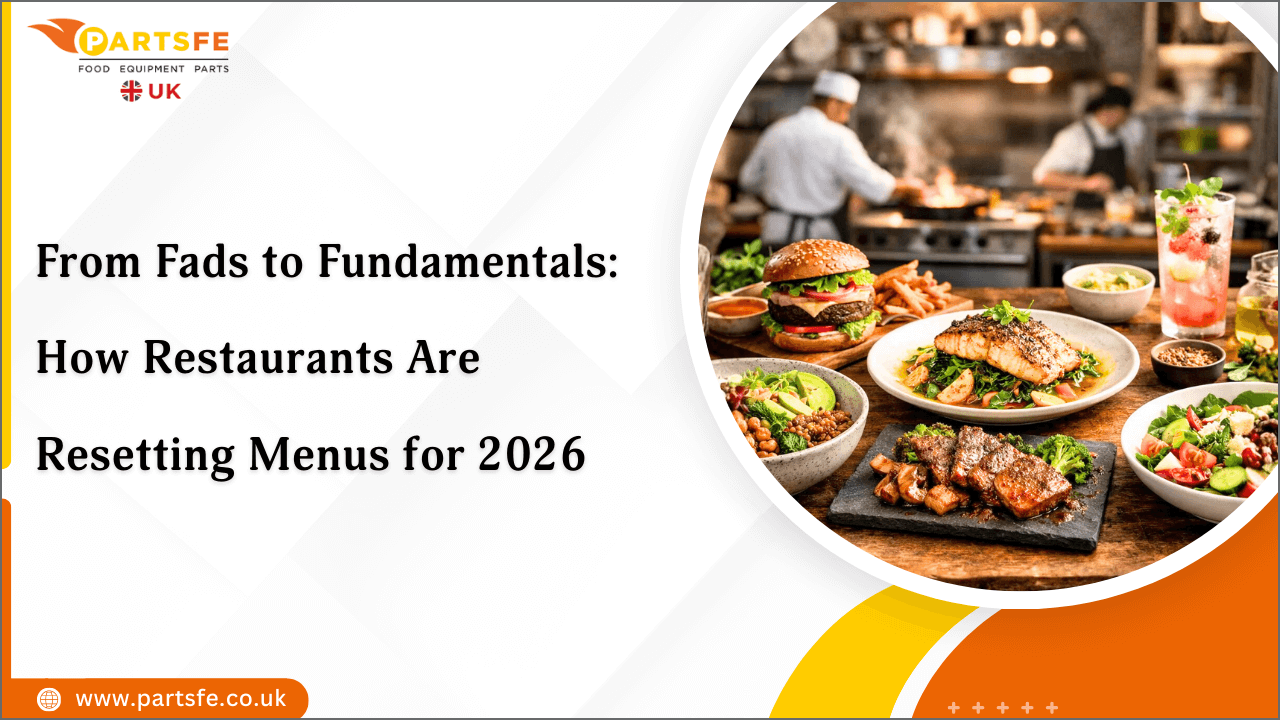
From Fads to Fundamentals: How Restaurants Are Resetting Menus for 2026
As dining habits evolve, restaurants in 2026 are moving away from short-lived food trends and focusing on menus that truly resonate with customers. Diners now seek quality, consistency, and thoughtful choices that match their tastes and values. To stay relevant, eateries are rethinking how they plan, design, and simplify their offerings. In this blog, we’ll explore why restaurants are leaving behind fads, how customer preferences are shaping menus, strategic approaches to menu design, and the benefits of simpler, more effective menus for both restaurants and diners.
Why Restaurants Are Moving Beyond Short-Term Food Trends
Restaurants are moving away from short-term food trends as they strain operations, increase costs, and risk brand inconsistency. Diners now prioritize quality, reliability, and transparency over gimmicks. Post-pandemic, restaurants are focusing on foundational menu elements that deliver lasting value and build long-term loyalty. Below are the key reasons behind this shift.
-
Operational Strain: Introducing new ingredients or techniques for short-term trends can disrupt kitchen workflows. Staff need training, inventory management becomes more complex, and consistency suffers.
-
High Costs: Trend-driven items may require specialty ingredients or equipment, increasing costs without guaranteeing sustained revenue. Often, these items end up underperforming after the initial hype fades.
-
Consumer Fatigue: Diners are becoming more discerning. The novelty of viral items wears off quickly, and many customers now prioritize reliability, quality, and transparency over gimmicks.
-
Brand Dilution: Constantly pivoting to chase trends can make a restaurant seem inconsistent or opportunistic, eroding long-term loyalty.
The pandemic accelerated this shift. Guests became more conscious of what they eat, how food is sourced, and how restaurants operate. Post-pandemic dining expectations now prioritize trust, predictability, and authenticity. As a result, restaurants are reevaluating menu strategies, moving from chasing trends to investing in foundational menu elements that deliver lasting value.
How Customer Preferences Are Reshaping Restaurant Menus
Understanding modern diners is critical for menu planning. Today’s customers are more informed and intentional about their dining choices. Several key trends are shaping menu decisions:
-
Health and Nutrition Transparency: Consumers want to know exactly what they’re eating. Clear labeling of calories, allergens, and nutritional content is no longer optional. Restaurants that provide transparency earn higher trust and repeat business.
-
Ingredient Integrity: Fresh, high-quality ingredients are now a competitive differentiator. Customers care where their food comes from and how it is prepared, favoring restaurants with clean, authentic menus.
-
Plant-Forward Options: With increasing awareness of sustainability and health, plant-based and flexitarian dishes are becoming essential. Restaurants are not just adding “a veggie option,” but creating menu items that celebrate vegetables and plant proteins, not relegating them to the side.
-
Sustainability and Ethical Sourcing: Customers increasingly demand responsible sourcing and reduced environmental impact. Menu planning now includes local, seasonal, and regional ingredients, appealing to environmentally conscious diners.
-
Functional and Experiential Eating: Beyond taste, diners want meals that fit lifestyle needs, whether boosting energy, aiding digestion, or providing comfort. Restaurants that integrate these considerations into menu offerings differentiate themselves from competitors.
GLP-1 Medications Reshaping Eating Behavior
In 2026, the use of GLP-1 medications like Ozempic and Mounjaro is influencing how people eat. GLP-1 medications are drugs that help regulate blood sugar and reduce appetite. By slowing digestion and increasing feelings of fullness, they influence how much and how often people eat.
These drugs reduce appetite and change how diners view portion sizes and indulgence. As a result, smaller, nutrient-packed meals are becoming more popular than large, calorie-heavy dishes. Restaurants that serve mini-meals, small plates, or well-balanced snack-sized options are better able to meet these changing preferences while keeping menus simple and appealing
Diner Segments and Their Menu Expectations in 2026
Different diner groups bring distinct expectations to the table. Understanding these segments helps restaurants design menus that feel personal, relevant, and easy to navigate.
|
Diner Type |
Primary Dining Priority |
Menu Formats They Prefer |
|
Gen Z |
Real experiences and a fun dining vibe |
Build-your-own meals that look good and feel personal |
|
Millennials |
Honest brands and shared values |
Ready-made meal combos with clear ingredient details |
|
Gen X |
Familiar food they can rely on |
Classic dishes made better with high-quality ingredients |
|
Flexitarians |
Eating balanced meals |
More plant-based dishes using simple, natural foods |
|
Solo Diners |
Prefers comfort when eating alone |
Well-made single-portion meals designed for one person |
Strategic Approaches to Menu Design in 2026
Restaurants are moving from reactive trend-chasing to strategic menu planning. This approach emphasizes consistency, efficiency, and data-driven decision-making. Key strategies include:
-
Menu Simplification: Many restaurants are reducing the number of items on their menus to focus on high-performing, signature dishes. This streamlining improves kitchen efficiency, reduces waste, and ensures consistent quality.
-
Data-Driven Decisions: Modern restaurants increasingly rely on sales analytics, customer feedback, and ingredient performance data to optimize menu offerings. This allows operators to identify best-sellers, eliminate underperforming items, and forecast demand accurately.
-
Seasonal and Local Sourcing: Leveraging regional ingredients not only supports local economies but also enhances flavor and freshness. Seasonal menus can rotate strategically without overwhelming operational capacity.
-
Cross-Utilization of Ingredients: Smart menu design encourages multiple dishes to use overlapping ingredients, reducing waste and lowering inventory costs while maintaining variety.
-
Flexible Core Menus: Restaurants are creating a stable set of core dishes while allowing limited seasonal or special items to rotate. This balances reliability with innovation, keeping diners engaged without destabilizing operations.
-
Technology Integration: From predictive inventory systems to digital ordering platforms, technology helps restaurants track performance, manage costs, and streamline operations. These tools ensure that menu decisions are both strategic and scalable.
By applying these methods, restaurants are moving toward menus that are efficient, sustainable, and aligned with both business goals and diner expectations.
Check out the ultimate guide to must-have small commercial kitchen gear and explore the essential tools for a more efficient and productive kitchen
The Benefits of Simplified Menus for Restaurants and Diners
Simplifying menus has become increasingly important for restaurants to operate efficiently and deliver a consistent, high-quality dining experience. Check below for the key benefits of a streamlined menu.
-
Operational Efficiency: Fewer items mean faster prep times, simpler inventory management, and reduced risk of mistakes in the kitchen. This leads to better service speed and a more predictable guest experience.
-
Consistency Across Locations: Chains and multi-location restaurants benefit from streamlined menus that ensure dishes taste the same everywhere. Consistency reinforces brand identity and builds trust.
-
Cost Stability: Focusing on a smaller set of core ingredients helps restaurants manage supply chain fluctuations. Predictable ingredient usage reduces waste and improves profitability.
-
Stronger Brand Identity: A simplified, thoughtfully curated menu communicates confidence and clarity. Guests perceive restaurants as experts in what they do best rather than scattered across multiple trends.
-
Enhanced Customer Trust: When diners know they can rely on quality, flavor, and transparency, they are more likely to return. Trust is increasingly becoming the key differentiator in a crowded dining landscape.
By 2026, restaurants that embrace menu simplification will gain operational resilience, stronger customer loyalty, and a clear competitive advantage.
Find out why smart kitchen equipment is the ultimate key to restaurant success and how it supports smoother kitchen workflows
Summary: Building Menus for Long-Term Success in 2026
In 2026, restaurants are shifting from chasing short-term food fads to focusing on foundational menu strategies that resonate with diners. By understanding customer preferences, leveraging data, simplifying offerings, and emphasizing quality and consistency, eateries can create menus that build trust, streamline operations, and strengthen brand identity. Strategic menu planning not only improves profitability but also ensures a memorable and reliable dining experience that keeps customers coming back.
Key Takeaways
-
Simplified menus improve operational efficiency and reduce kitchen errors.
-
Consistency across locations strengthens brand identity and customer trust.
-
Data-driven decisions help optimize menu performance and profitability.
-
Seasonal and local sourcing enhances freshness and sustainability.
-
Streamlined menus reduce costs and food waste.
-
Meeting evolving customer preferences fosters loyalty and long-term success.
Shop premium commercial kitchen replacement parts at PartsFe UK, your reliable source for durable components, including quality parts for fryers, ovens, grills, and dishwashers from trusted brands like Frymaster, Garland, and Henny Penny, ensuring dependable performance, longer equipment life, and smooth, efficient kitchen operations.
References:
https://restaurantsmenus.org/
https://ujc.org.uk/why-join-us/
FAQs
How often should restaurants review and update their core menu items?
Reviewing every 6 to 12 months using sales data and customer feedback ensures menus stay relevant while maintaining consistency.
How can small restaurants implement menu simplification without losing variety?
Small restaurants can focus on versatile, high-demand dishes that can be modified slightly for variety. Cross-utilizing ingredients across multiple dishes helps maintain options without complicating the kitchen.
What role does customer feedback play in menu simplification?
Customer insights help identify favorite dishes, underperforming items, and emerging preferences, allowing restaurants to optimize the menu strategically.