How Touch-Free Ice Machines Help Commercial Kitchens Meet Hygiene Standards
In commercial kitchens, hygiene is crucial for food safety and protecting a business’s reputation. Ice machines are often overlooked, and manual handling can spread bacteria. Touch-free technology reduces contamination risks by combining automation with sanitation, helping kitchens maintain strict hygiene while improving efficiency. This article explores how touch-free ice machines enhance hygiene, support food safety compliance, simplify maintenance, and provide long-term benefits for commercial kitchens.
The Importance of Hygiene in Commercial Kitchens
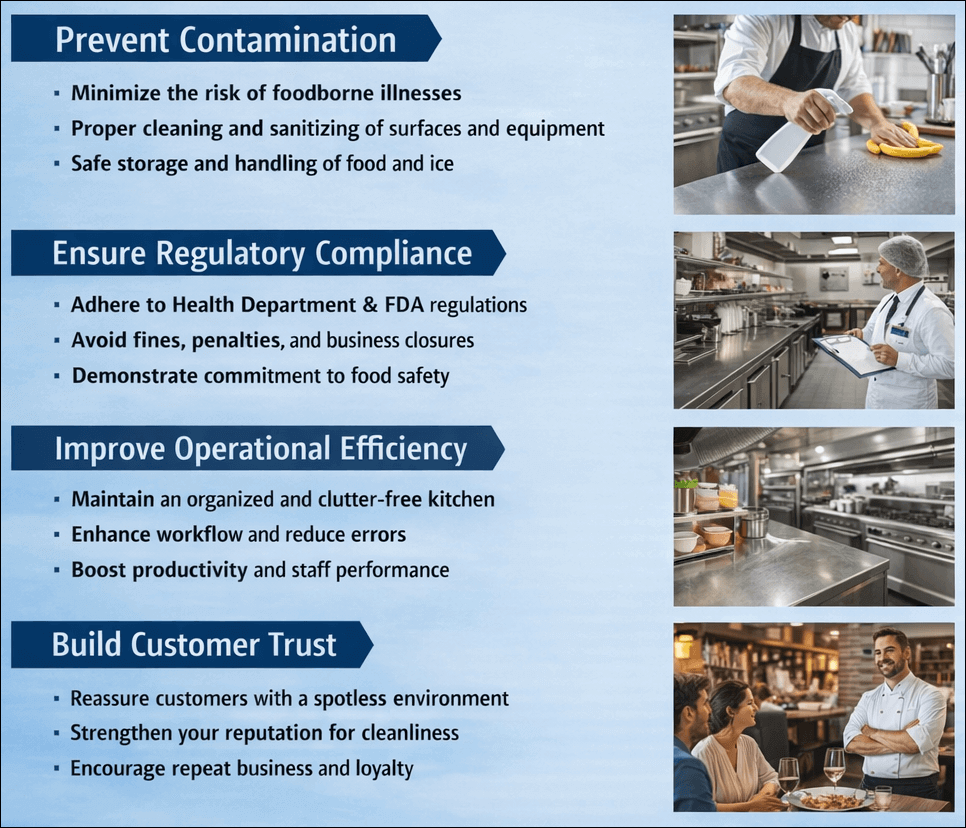
Maintaining high standards of commercial kitchen hygiene protects both staff and customers. Clean kitchens reduce exposure to bacteria, grease buildup, and unsafe working conditions. Consistent sanitation also helps extend equipment lifespan by preventing wear caused by residue on essential components, including ice machine parts used in foodservice operations. Regular cleaning further supports uniform food quality by preventing off-flavors, odors, and cross-contact. Refer to the image below for key hygiene benefits in commercial kitchens.
The Role of Touch-Free Technology in Food Safety Compliance
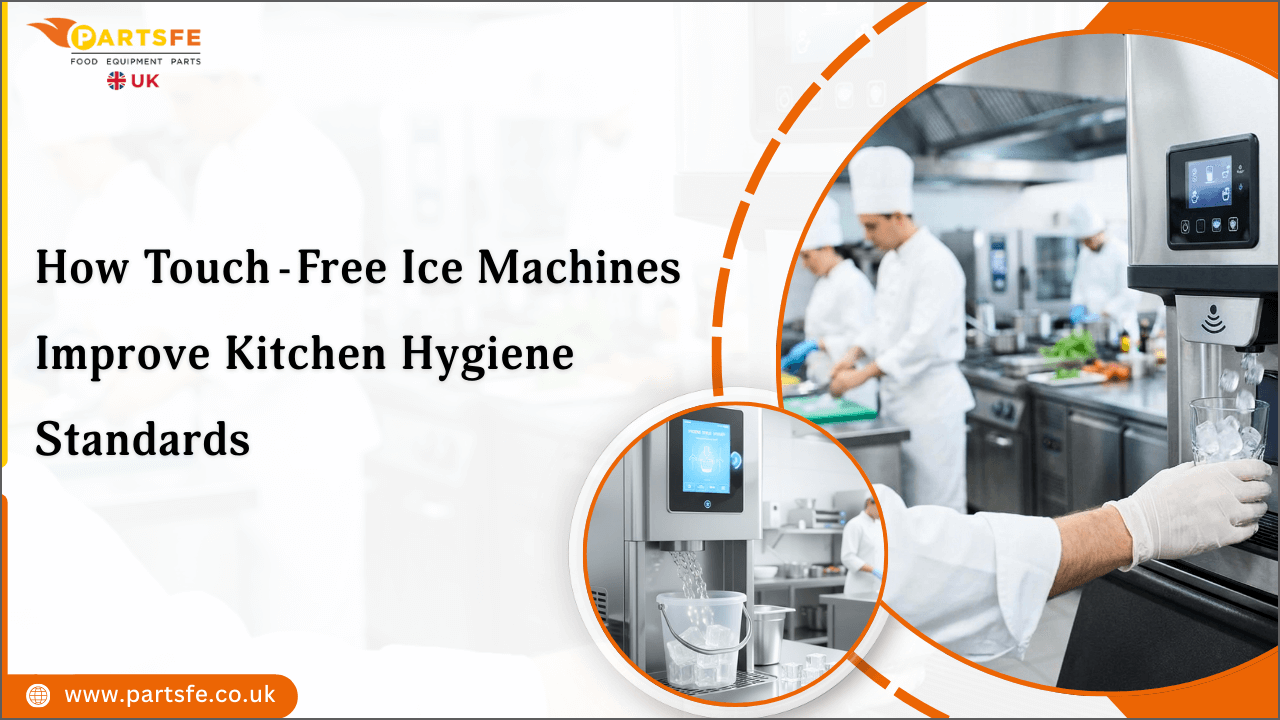
Touch-free ice machines use advanced sensors and automated dispensing mechanisms to dispense ice without manual contact. This technology ensures that ice is dispensed in a controlled manner, eliminating the common hygiene risks associated with traditional scooping methods. By integrating touch-free systems, kitchens can strengthen compliance with food safety regulations, such as those outlined by the U.S. Food and Drug Administration (FDA) and local health departments. Key advantages of touch-free technology include:
-
Reduced Cross-Contamination: Automated dispensing prevents multiple staff members from handling the same ice, significantly decreasing the spread of bacteria.
-
Consistent Sanitation: Many touch-free machines feature self-cleaning cycles or antimicrobial components, further reducing microbial growth in the ice reservoir.
-
Enhanced Staff Compliance: Touch-free machines simplify operational protocols, reducing the reliance on strict manual handling procedures and making it easier for staff to adhere to hygiene standards.
-
Regulatory Alignment: Automated systems facilitate adherence to HACCP (Hazard Analysis Critical Control Point) protocols by controlling critical points of contamination, particularly during storage and dispensing.
By evaluating these factors, kitchens can choose a Scotsman touch-free ice machine that aligns with both hygiene and operational demands. Implementing touch-free technology demonstrates a proactive approach to contamination control and can positively influence inspection outcomes, insurance compliance, and customer trust.
|
Kitchen Safety Tip: Always check sensors, run scheduled cleaning cycles, and replace water filters regularly to keep your touch-free ice machine hygienic and compliant with food safety standards. |
Choosing the Right Touch-Free Ice Machine for Your Commercial Kitchen
Selecting an appropriate touch-free ice machine requires careful consideration of operational needs, kitchen layout, and sanitation priorities. The market offers a range of options, each designed to balance efficiency, hygiene, and cost-effectiveness. Key factors to consider include:
-
Capacity and Production Rate: The machine’s ice production should match the volume required by the kitchen. Restaurants with high beverage turnover or banquet services will need machines capable of producing larger quantities efficiently, while smaller cafes may prioritize compact units with moderate output.
-
Ease of Maintenance: Machines that feature easy replacement of commercial ice machine water filters, require minimal manual cleaning, and provide accessible components help reduce downtime and lower labor costs.
-
Dispensing Technology: Look for machines that offer reliable touch-free sensors and consistent ice output. Some models provide adjustable dispensing volumes, enabling precise control and reducing waste.
-
Sanitation Features: Features such as antimicrobial surfaces, self-cleaning cycles, and easily removable ice bins enhance hygiene. Units with visible sanitation alerts or maintenance reminders help ensure consistent cleanliness.
-
Energy Efficiency and Water Usage: Touch-free machines often include energy-saving modes and water recycling mechanisms. Efficient models reduce operating costs and support sustainability goals.
-
Integration with Kitchen Workflow: Consider how the machine fits into the kitchen layout. Countertop dispensers may suit bars or beverage stations, whereas freestanding units are ideal for high-volume kitchens.
By evaluating these factors, commercial kitchens can select a touch-free ice machine that aligns with operational demands while maximizing hygiene, safety, and compliance with commercial kitchen hygiene rules.
Find out how water filters transform ice quality in commercial ice machines by removing impurities for clearer, better-tasting ice
Maintenance and Long-Term Benefits of Touch-Free Ice Machines
While touch-free ice machines minimize manual contact, proper maintenance is essential to ensure hygiene, consistent ice quality, and reliable performance. Routine maintenance practices include:
-
Regular Cleaning: Follow the manufacturer’s recommended schedule for sanitizing ice bins, dispensers, and internal components. Many touch-free models simplify cleaning with removable bins or built-in self-cleaning programs, making routine sanitation more efficient.
-
Filter Replacement: Replace water filters according to the machine’s specifications to prevent mineral buildup, reduce bacterial growth, and maintain optimal ice quality.
-
Inspection of Sensors: Automated components, such as sensors and dispensing systems, should be checked periodically to ensure they function properly and maintain consistent hygiene standards.
-
Professional Servicing: Scheduling annual maintenance with certified technicians can prevent mechanical failures, extend the lifespan of the equipment, and ensure all automated systems operate correctly.
|
Disclaimer: This content is provided for informational purposes only and does not replace professional advice or services. Always follow the manufacturer’s instructions, local health regulations, and safety guidelines when cleaning, servicing, or handling ice machines. |
Check out how to clean an ice machine water filter: the ultimate guide to keep your ice machine efficient and produce clean, high-quality ice
Summary: Elevating Kitchen Hygiene with Touch-Free Ice Machines
Touch-free ice machines offer a simple yet powerful way to improve hygiene, reduce contamination risks, and ensure compliance with food safety standards. By minimizing manual contact, integrating automated dispensing, and simplifying maintenance with commercial ice machine water filters, these machines help commercial kitchens operate more efficiently and safely. Investing in the right touch-free ice system not only protects customers and staff but also supports long-term operational efficiency and enhances a business’s reputation for cleanliness and professionalism.
Key Takeaways
-
Touch-free ice machines reduce the spread of bacteria by eliminating manual handling and using automated dispensing systems.
-
Automated technology helps kitchens meet FDA, HACCP, and local health regulations with consistent sanitation and controlled ice dispensing.
-
Features like self-cleaning cycles, antimicrobial surfaces, and removable bins make routine cleaning and upkeep more efficient.
-
Touch-free systems save labor, reduce waste, and often include energy- and water-efficient designs, lowering overall operational costs.
-
Maintaining high hygiene standards with modern, touch-free technology demonstrates a commitment to safety and professionalism, reassuring both staff and customers.
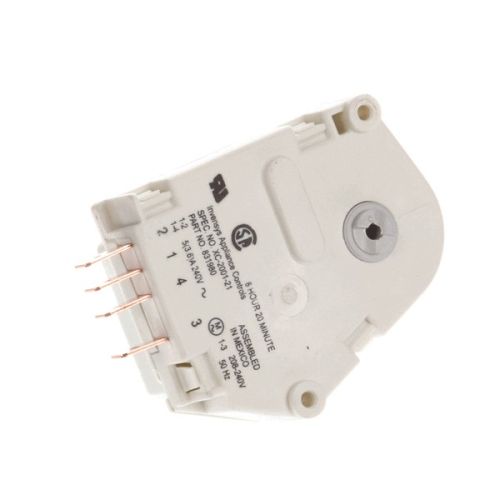
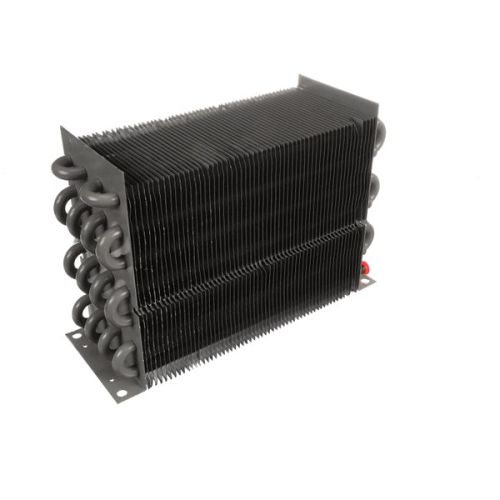
Keep your ice machines in top condition with PartsFe UK. We supply defrost heaters, defrost timers, door gaskets, drain pans, and dryer filters for reliable performance. We offer high-quality ice machine parts designed to ensure efficiency, durability, and consistent operation in commercial kitchens.
References:
https://www.ilcs.org/Ice-Makers-Countertop-Self-Cleaning-Function-UK-Ubuy/968908
FAQs
What types of ice can commercial touch‑free machines produce?
Commercial touch‑free ice machines can produce different ice forms depending on the model, such as nugget, cube, flake, and half‑cube. Each type has specific uses, from cold drinks to food display, so selecting the right form ensures it meets service requirements and customer preferences.
Does NSF certification matter for touch‑free ice machines?
Yes. NSF certification shows that the machine meets strict sanitation and safety standards, ensuring the ice is safe to consume and easier to clean. Many health departments require this certification for compliance in commercial food operations.
How does water quality affect touch‑free ice machine performance?
Water quality is crucial for both ice quality and machine durability. Using filtered water reduces impurities such as chlorine and sediment, leading to clearer, better-tasting ice and preventing scale buildup that can harm machine components.
Are there smart features available on modern commercial ice machines?
Yes. Modern machines often include smart technology, allowing remote monitoring, automated alerts for maintenance, and energy optimization. These features help improve efficiency, prevent unexpected downtime, and reduce manual oversight.