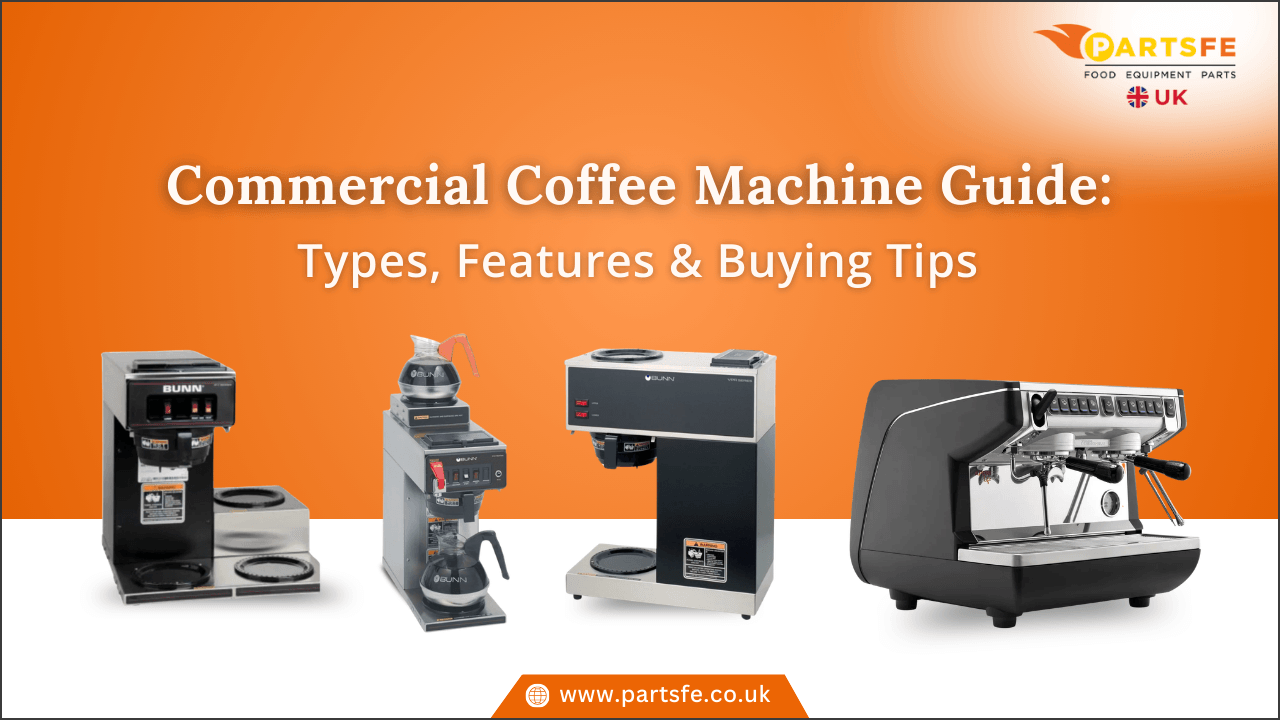
Commercial Coffee Machine Guide: Types, Features & Buying Tips
The world of coffee is evolving, and for businesses, choosing the right commercial coffee machine is crucial for delivering a consistent, high-quality experience. From busy cafés to full-service restaurants, these machines are built to handle high-volume demand while ensuring precision, flavor, and efficiency. This blog explores the different types of coffee machines, their key features, and essential buying tips to help you select the perfect model for your business needs, ensuring efficiency, reliability, and customer satisfaction.
What Is a Commercial Coffee Machine and How Does It Work?
A commercial coffee machine is a high-capacity coffee brewing device designed specifically for restaurants. As one of the kitchen essentials in commercial restaurant setup, these machines are built for heavy-duty use, producing multiple cups quickly while maintaining consistent quality during peak service hours.
They often come with advanced features such as programmable settings, multiple brewing groups, and precise temperature control to ensure a superior coffee experience for customers.
How a Commercial Coffee Machine Works
The working of a coffee machine depends on its type, but the general process involves these steps:
-
Water Heating: The machine heats water to the optimal brewing temperature, usually between 90–96°C (194–205°F) for espresso machines.
-
Coffee Grinding and Dosing: Beans are ground fresh and dosed into a portafilter or brew chamber. The grind size and amount are calibrated for consistency.
-
Brewing Under Pressure: For espresso machines, hot water is forced through compacted coffee grounds at high pressure to extract flavor, aroma, and crema.
-
Dispensing: The brewed coffee is dispensed into cups. Some machines can brew multiple cups simultaneously or steam milk for lattes and cappuccinos.
-
Waste Management: Spent coffee grounds are collected in a drawer or bin, and drip trays handle excess liquid for easy cleanup.
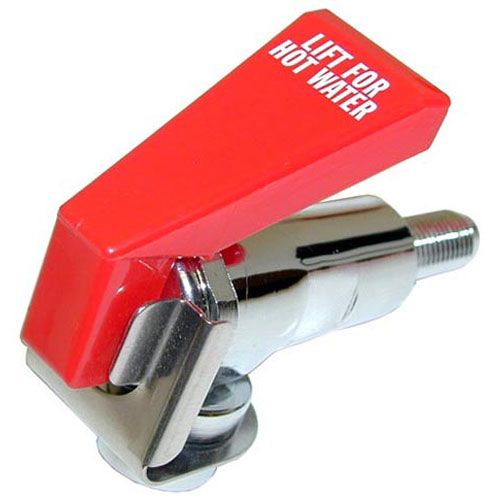
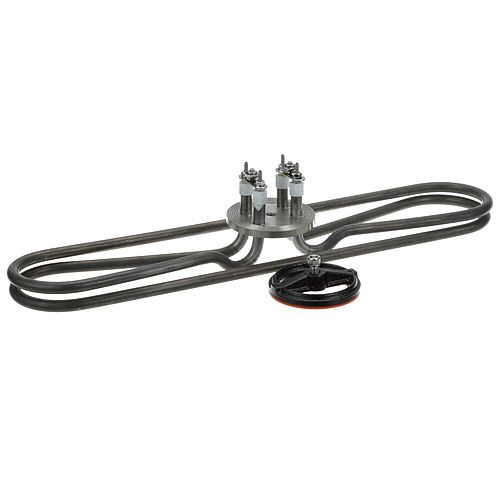
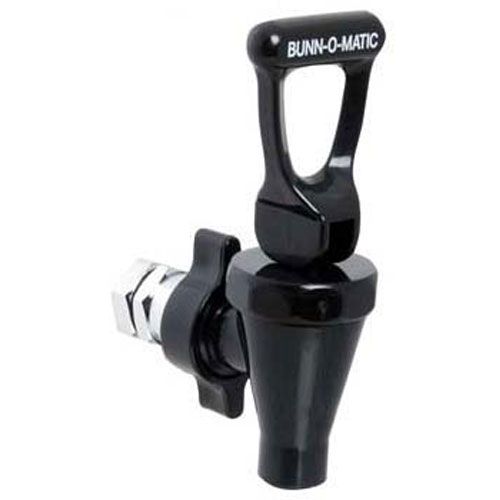
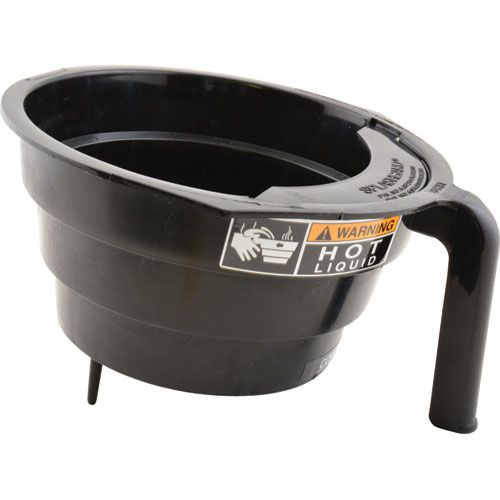
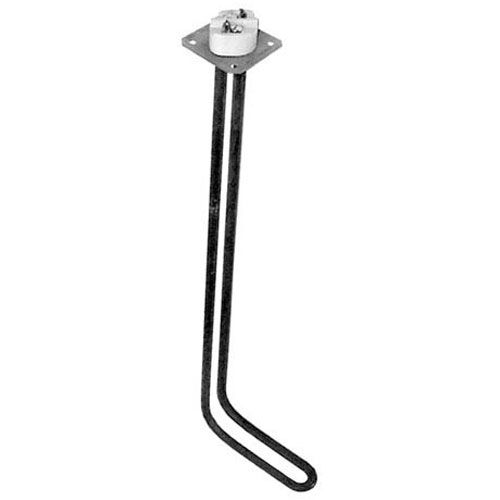
Looking to keep your commercial coffee machines running at peak performance? Shop coffee machine spare parts at PartsFe, including heating elements, faucet repair kits, coffee element kits, and hot water faucets, to ensure reliable operation and optimal performance from trusted brands like Bunn, Curtis, and Cecilware.
Types of Commercial Coffee Machines Explained
Commercial coffee machines come in various types, each designed to suit different needs in a restaurant setup. Choosing the right machine ensures efficiency, consistency, and high-quality coffee service. Below are the main types and their key features.
Espresso Machines: Espresso machines are a staple in cafés and restaurants, known for producing rich and concentrated coffee shots that form the base of many popular drinks.
Advantages
-
An advanced high-pressure extraction system ensures deep flavor, thick crema, and consistent espresso quality across every shot, making it ideal for premium coffee service.
-
Available in multiple variants (manual to super-automatic), allowing businesses to choose based on barista skill level and desired level of control over brewing.
-
Equipped with steam wands and multiple group heads, enabling simultaneous brewing and milk frothing for faster service during peak hours.
Bean-to-Cup Coffee Machines: Bean-to-cup machines are fully automated and designed for convenience, delivering fresh coffee with minimal manual effort.
Advantages
-
Built-in grinders process whole coffee beans instantly, ensuring maximum freshness, aroma, and flavor in every cup served.
-
One-touch functionality allows users to prepare a variety of beverages like espresso, cappuccino, and latte quickly and consistently without skilled labor.
-
Customizable settings for strength, temperature, and cup size help maintain uniform quality while catering to different customer preferences.
Drip Coffee Makers: Drip coffee machines are ideal for brewing large quantities of coffee efficiently, making them a cost-effective option for bulk service.
Advantages
-
High-capacity brewing capability allows multiple cups to be prepared in a single cycle, making it suitable for busy environments with steady demand.
-
Simple design and easy operation reduce training time for staff and ensure consistent output without complicated controls.
-
Low maintenance requirements and durable components make these machines reliable for long-term commercial use.
Capsule Coffee Machines: Capsule coffee machines offer a quick and hassle-free brewing process using pre-measured coffee pods.
Advantages
-
Pre-portioned capsules eliminate the need for grinding or measuring, ensuring consistent taste and reducing human error in preparation.
-
Fast brewing system significantly reduces waiting time, making it ideal for environments where speed and convenience are priorities.
-
Compact and user-friendly design allows easy installation in small spaces with minimal cleaning and maintenance effort.
Percolators and Coffee Urns: These machines are designed for large-scale coffee preparation, commonly used in events and catering services.
Advantages
-
Large brewing capacity enables the preparation of significant quantities of coffee in a single batch, perfect for serving large groups efficiently.
-
Built-in heating system keeps coffee warm for extended periods without compromising taste, ensuring continuous availability.
-
Sturdy and portable construction makes them suitable for transport and use in different event locations or catering setups.
Check out must have catering equipment for new restaurant startup to explore essential tools needed for a smooth and efficient kitchen setup
Key Features to Look for in a Commercial Coffee Machine
When investing in a commercial coffee machine, it’s important to evaluate features that impact performance, reliability, and user experience. Understanding essential coffee machine parts also helps in selecting a machine that is easy to maintain and built for long-term use. Below are the key features to consider when choosing the right machine for your business:
-
Brewing Capacity: A machine’s brewing capacity determines how many cups it can produce per hour. For high-traffic environments, a larger capacity machine ensures you can meet demand without delays.
-
Type of Coffee Beans Supported: Some machines work exclusively with ground coffee, while others are compatible with whole beans. Bean-to-cup models are versatile, ensuring a fresh cup every time.
-
Ease of Cleaning and Maintenance: Commercial machines require regular cleaning to maintain taste and performance. Look for removable parts, automated cleaning cycles, and accessible service points.
-
Customization Options: Advanced machines allow adjustment of water temperature, grind size, shot volume, and milk frothing settings. This flexibility helps businesses cater to diverse customer preferences.
-
Energy Efficiency: Energy-saving features such as automatic shut-off, standby modes, and insulated boilers reduce operational costs and support sustainable practices.
How to Choose the Right Coffee Machine for Your Business
Selecting the right coffee machine requires careful evaluation of your business operations and customer expectations. Below are the key factors to consider before making your decision.
-
Assess Your Volume Needs: Estimate the number of cups your establishment serves daily. For high-volume operations, consider espresso or bean-to-cup machines with large boilers and dual-group heads. Smaller offices or boutique cafés may prefer drip or capsule machines.
-
Consider Staff Skill Level: Highly trained baristas can operate semi-automatic or manual machines efficiently. For environments with limited staff training, fully automatic or bean-to-cup machines are safer choices.
-
Budget and ROI: Commercial coffee machines vary widely in price. While high-end machines provide professional-grade performance, entry-level models offer reliable service at a lower cost. Factor in maintenance, consumables, and energy costs when calculating return on investment.
-
Space and Design: The machine's physical footprint is critical, especially in small spaces. Compact models may offer fewer features but are ideal for offices or limited counter areas.
-
Brand Reputation and Support: Choosing a reliable manufacturer ensures access to spare parts, service, and warranty coverage. Popular brands are often a safer long-term investment.
Check out our video on how to stop scale buildup in coffee machines using the Everpure EV9799-02 cartridge for cleaner, longer-lasting coffee equipment
Conclusion: Finding the Perfect Commercial Coffee Machine for Your Needs
Choosing the right commercial coffee machine ensures high-quality and efficient coffee service. Consider the type, including espresso, bean-to-cup, drip, or capsule, along with brewing capacity, ease of maintenance, customization, and energy efficiency. Match your choice to your business volume, staff skill, budget, and space to deliver consistent coffee and satisfy your customers.
Key Takeaways:
-
Commercial coffee machines are built for high-volume, consistent coffee service.
-
Popular types include espresso, bean-to-cup, drip, capsule, and large-capacity percolators.
-
Brewing capacity and coffee bean compatibility are crucial for operational efficiency.
-
Ease of cleaning, maintenance, and automation ensures long-term reliability.
-
Consider staff skill, space, budget, and brand support when selecting a machine.
-
Regular cleaning and maintenance maintain taste, machine longevity, and safety.
FAQs
What is the best commercial bean to cup coffee machine?
The best bean to cup coffee machine depends on your business size, budget, and required features. High-end models offer advanced customization, durability, and automation, making them suitable for busy environments.
How much are commercial coffee machines?
Prices can range from a few hundred to several thousand pounds, depending on the machine type, capacity, and features. It’s important to consider long-term operating costs alongside the initial investment.
What features should you look for in a commercial coffee machine?
Key features include brewing capacity, durability, ease of use, maintenance requirements, energy efficiency, and customization options.
How often should a commercial coffee machine be cleaned and maintained?
Daily cleaning is recommended for essential components, while deep cleaning and descaling should be performed regularly, in line with usage and manufacturer guidelines.
What is the difference between automatic and semi-automatic coffee machines?
Semi-automatic machines require manual control over extraction, offering more customization. Automatic machines control water flow and timing, providing consistency and ease of use.
|
Disclaimer: This content is for informational purposes only. Operation, maintenance, and repair procedures may vary depending on your commercial coffee machine model, so always follow the manufacturer’s instructions. |